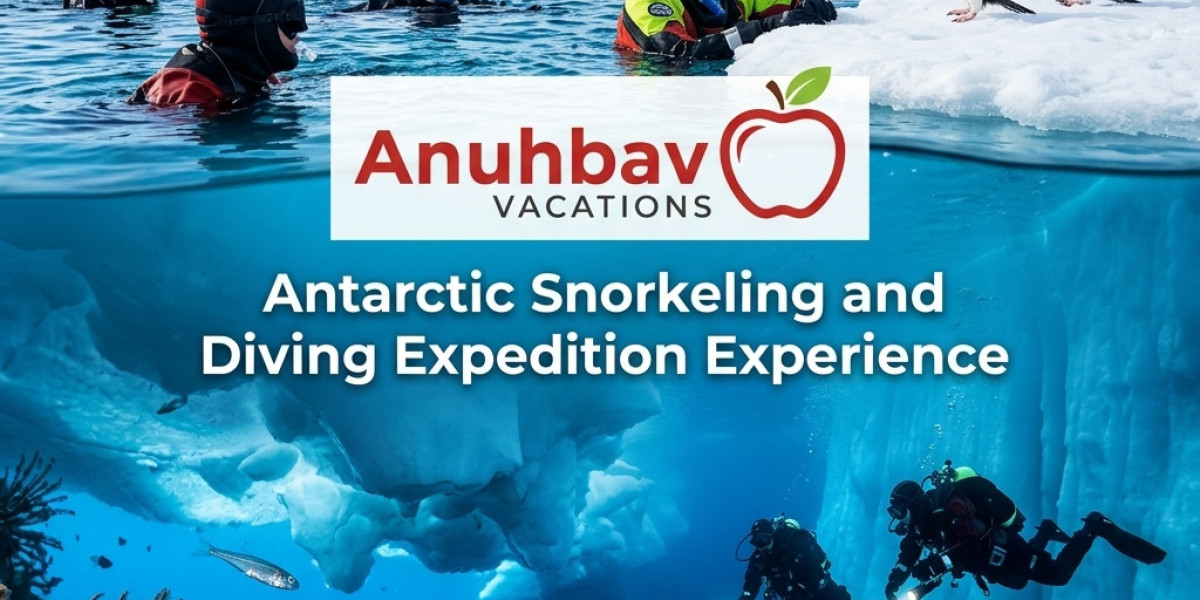

INTRODUCTION
Antarctica group tours offer travelers an opportunity to explore one of the most remote and extraordinary environments on Earth. While activities such as Zodiac cruises, shore landings, wildlife watching, kayaking, and guided walks are more commonly associated with Antarctic expeditions, some specialized voyages may offer snorkeling or diving opportunities. However, these activities are generally not included in standard expedition itineraries and are subject to strict safety, weather, environmental, and operational requirements.
Exploring Antarctic waters can provide a completely different perspective of the continent. Beneath the surface, travelers may encounter ice formations, marine life, and a fascinating underwater environment. However, Antarctica is not a conventional tropical snorkeling or diving destination. Anyone interested in an underwater experience should carefully check the expedition's activity list, equipment requirements, eligibility conditions, and safety procedures before booking.
Is Snorkeling Common in Antarctica?
Snorkeling is considerably less common in Antarctica than activities such as kayaking or Zodiac excursions. The primary reason is the extreme water temperature. Antarctic seawater can be close to freezing, making ordinary snorkeling equipment completely unsuitable.
A specialized snorkeling experience would require appropriate exposure protection, including a suitable wetsuit or drysuit, depending on the operator and activity design. Participants would also need to follow strict instructions from expedition staff.
Because of these challenges, travelers should not assume that snorkeling will be available simply because a cruise visits Antarctica.
What Makes Antarctic Snorkeling Different?
Snorkeling in Antarctica would be very different from snorkeling in warm tropical destinations.
In tropical locations, snorkeling is usually associated with coral reefs, colorful fish, warm water, and relatively easy access. Antarctic waters offer a completely different environment.
A potential Antarctic snorkeling experience could involve:
- Extremely cold water
- Ice floating on the surface
- Specialized thermal protection
- Polar marine life
- Limited time in the water
- Professional supervision
- Strict entry and exit procedures
The experience is therefore more suitable for travelers seeking a specialist polar adventure rather than a conventional recreational snorkeling activity.
Can Travelers Go Diving in Antarctica?
Scuba diving in Antarctica is possible in highly specialized circumstances, but it is not a standard activity on most Antarctic cruises.
Polar diving requires extensive preparation and specialized equipment. Divers must be properly trained and medically fit for the activity, and operators may impose additional qualifications or experience requirements.
The expedition vessel also needs to support the activity safely. Suitable diving equipment, trained staff, emergency procedures, and appropriate environmental conditions are essential.
For these reasons, travelers interested in Antarctic diving should specifically look for expedition programs that advertise diving as an organized activity rather than expecting it to be available on a regular cruise.
Why Is Antarctic Diving Challenging?
Antarctic diving presents challenges that do not exist in many warmer diving destinations.
Extremely Cold Water
The cold is the most obvious challenge. Divers require specialized thermal protection to reduce the risk of cold-related problems.
Ice Conditions
Sea ice and floating ice can affect where and when diving is possible. Operators must constantly assess local conditions before allowing an activity to proceed.
Weather
Weather conditions can change quickly in polar regions. Wind, waves, visibility, and temperature can influence whether a planned activity is safe.
Remote Location
Antarctica is extremely remote. Medical and emergency resources are much more limited than in conventional tourist destinations.
Specialized Equipment
Standard recreational diving equipment may not be sufficient for polar conditions. Divers may need equipment specifically designed for cold-water environments.
What Marine Life Could Be Seen?
Antarctica has a rich marine ecosystem. Travelers exploring the region may encounter a variety of marine animals, although sightings are never guaranteed.
Depending on the location and season, Antarctic waters can support:
- Penguins
- Seals
- Whales
- Krill
- Various fish species
- Seabirds
- Other marine organisms
An underwater experience can reveal aspects of the polar ecosystem that are not visible from a ship or shore.
However, wildlife encounters should always take place under responsible guidelines. Travelers should never attempt to approach, touch, feed, or disturb marine animals.
Are Kayaking and Zodiac Cruises More Common?
Yes. For most travelers, kayaking and Zodiac excursions are more realistic ways to experience Antarctic waters.
Zodiac boats are commonly used for transfers between expedition vessels and landing sites. They also allow travelers to explore coastal areas, ice formations, and wildlife habitats from the water.
Kayaking is another popular optional activity on some expeditions. It can provide a quieter experience and allow travelers to observe icebergs and coastal landscapes from water level.
These activities generally involve fewer specialized requirements than diving and may be available to a broader range of expedition passengers.
What About Swimming in Antarctica?
Swimming is not a normal activity for Antarctic tourists. Although some adventurous travelers may be interested in polar plunges, these are very different from snorkeling or scuba diving.
A polar plunge, when offered by an expedition operator, is typically a brief supervised experience rather than an extended swimming activity.
Travelers should never enter Antarctic waters independently. Any in-water activity should only take place when specifically organized and supervised by the expedition operator.
How Safe Are Water Activities in Antarctica?
Safety is one of the most important considerations for any Antarctic water activity.
Before allowing participants to enter the water, an operator may assess:
- Weather conditions
- Sea conditions
- Ice conditions
- Water temperature
- Participant experience
- Medical suitability
- Equipment
- Emergency procedures
- Wildlife considerations
The expedition team may cancel or modify an activity if conditions are unsuitable.
This is important because Antarctic travel involves unpredictable natural conditions. Even when an activity appears in a published itinerary, actual operation can depend on conditions on the day.
Is Special Training Required for Diving?
Yes, specialized diving programs may require relevant diving certifications and experience.
The exact requirements depend on the expedition operator and the type of diving being offered. Some programs may require participants to demonstrate experience with cold-water or drysuit diving.
Travelers should confirm requirements well before departure because obtaining appropriate training or certification shortly before an expedition may not be practical.
Medical clearance may also be required for certain specialized activities.
What Equipment Is Needed?
Equipment requirements depend on the activity and operator.
For a specialized snorkeling or diving excursion, equipment may include:
- Thermal exposure protection
- Drysuit or specialized wetsuit
- Appropriate gloves
- Hood
- Mask
- Fins
- Regulator suitable for cold water
- Specialized buoyancy equipment
- Safety equipment
- Communication or emergency equipment
The expedition company may provide some equipment, while travelers may need to bring or rent other items.
Travelers should never assume that all diving equipment is included in the expedition price.
Can Beginners Try Antarctic Diving?
Antarctic diving is generally not something beginners should approach as their first diving experience.
The combination of cold water, remoteness, specialized equipment, and challenging environmental conditions means participants need appropriate preparation.
Beginners interested in Antarctica can instead consider activities such as Zodiac cruises, guided shore walks, wildlife observation, or introductory kayaking where available.
These activities can still provide an exciting experience without requiring advanced diving skills.
Can Families Participate in Water Activities?
Suitability depends on the specific activity and the expedition operator's age and safety requirements.
Children may be able to participate in certain Zodiac excursions or other approved activities, but specialized diving and snorkeling programs can have much stricter requirements.
Families should review age restrictions before booking and choose activities that match the abilities and comfort levels of every traveler.
What Should Travelers Check Before Booking?
Anyone specifically interested in snorkeling or diving should research the expedition in detail rather than selecting a general Antarctic cruise.
Important questions include:
- Is snorkeling or diving officially offered?
- Is the activity included in the package price?
- Is it an optional paid activity?
- What certifications are required?
- Is previous cold-water experience necessary?
- What equipment is supplied?
- Are there minimum or maximum age limits?
- Is medical clearance required?
- How frequently is the activity operated?
- Can weather or ice conditions cancel it?
Getting clear answers before booking can prevent misunderstandings.
Where Does an Antarctic Group Tour Usually Begin?
Most Antarctic expeditions do not begin directly on the continent. Travelers commonly reach a gateway city in southern South America before boarding an expedition vessel.
Ushuaia in Argentina is one of the best-known gateways for Antarctic cruises.
This means travelers planning an Antarctic itinerary from India should consider international flights, internal South American transportation, accommodation before and after the expedition, and the cruise schedule.
The pre- and post-cruise itinerary can also provide opportunities to explore South American destinations.
Planning an Antarctica Group Tour From India
Indian travelers should plan carefully because reaching Antarctica involves multiple stages.
A typical journey may include:
India → South America → Antarctic gateway → Expedition vessel → Antarctica → South America → India
Depending on the itinerary, travelers may spend time in Argentina or Chile before boarding the expedition.
An Antarctica group tour can therefore combine the polar expedition with sightseeing in South America, although the exact arrangements depend on the package.
Travelers interested in diving should allow additional time for equipment preparation, briefing, and any required certification checks.
Environmental Responsibility Is Essential
Antarctica is one of the world's most environmentally sensitive regions. Visitors have a responsibility to minimize their impact.
All water activities should follow applicable expedition and environmental guidelines. Travelers should avoid touching wildlife, collecting natural objects, disturbing ice or marine habitats, or leaving any waste behind.
Responsible tourism is particularly important when entering marine environments because even seemingly small disturbances can affect fragile ecosystems.
Professional expedition operators typically provide detailed instructions to help passengers behave responsibly.
What Is the Best Alternative for Travelers Who Cannot Dive?
Travelers do not need to dive to experience Antarctic waters.
Several alternatives can provide memorable experiences:
Zodiac Cruises
These small boats provide close views of coastlines, icebergs, and wildlife.
Kayaking
Where offered and conditions permit, kayaking can provide an intimate perspective of the polar landscape.
Shore Landings
Walking on Antarctic shores allows travelers to experience the environment directly while following strict visitor guidelines.
Wildlife Watching
Penguins, seals, whales, and seabirds can often be observed from ships, Zodiacs, and designated landing areas.
Photography
The combination of ice, mountains, wildlife, and dramatic skies makes Antarctica an exceptional photography destination.
For many travelers, these experiences are more accessible and practical than diving.
Can Snorkeling or Diving Be Added to Every Antarctica Itinerary?
No. Travelers should not assume that specialized water activities can simply be added to any cruise.
Availability depends on the expedition company, vessel facilities, itinerary, local conditions, safety protocols, participant requirements, and environmental regulations.
If snorkeling or diving is a major priority, travelers should select an expedition specifically designed to accommodate the activity.
For travelers primarily interested in wildlife and landscapes, a conventional expedition may offer a better range of activities without requiring specialist diving experience.
When Is the Best Time for Antarctic Water Experiences?
Antarctic expedition cruises generally operate during the Southern Hemisphere's warmer months, when sea conditions and daylight are more favorable for tourism.
The exact timing of any water activity depends on the expedition itinerary and local conditions. Even during the main travel season, cold temperatures, wind, waves, and sea ice can affect planned activities.
Therefore, travelers should think of snorkeling or diving as a possible specialized experience rather than a guaranteed daily activity.
Why Choose a Specialized Experience?
A specialized Antarctic diving or snorkeling program can appeal to experienced adventurers who want to explore the polar environment beyond traditional sightseeing.
It can provide a different perspective on:
- Antarctic marine ecosystems
- Underwater ice
- Polar wildlife
- Coastal formations
- Cold-water environments
However, the additional preparation and restrictions mean it is not necessarily suitable for every traveler.
The most important consideration should always be safety and environmental responsibility rather than simply adding another activity to the itinerary.
Final Thoughts
Snorkeling and diving can be available in Antarctica under specialized expedition programs, but they are not standard inclusions in most Antarctic cruises. The extreme cold, unpredictable weather, sea ice, remote environment, and strict safety requirements make these activities considerably more demanding than conventional recreational snorkeling or diving.
Travelers planning an Antarctic journey should carefully check the expedition's activity list, qualification requirements, equipment arrangements, age restrictions, and cancellation policies before making plans. For most visitors, Zodiac cruises, kayaking, shore landings, wildlife watching, and photography offer excellent ways to experience the Antarctic marine environment.
For travelers seeking help with planning the itinerary, logistics, and group arrangements for an Antarctic expedition, Anubhav Vacations can help create a well-organized journey suited to the selected activities and travel preferences.
FAQs
1. Is snorkeling available on Antarctica group tours?
Snorkeling may be available on selected specialized expeditions, but it is not a standard activity on most Antarctic cruises. Travelers should confirm availability, equipment requirements, and eligibility directly with the selected expedition.
2. Can beginners go scuba diving in Antarctica?
Antarctic diving is generally intended for experienced divers who meet the operator's certification, experience, medical, and equipment requirements. Beginners should consider less demanding activities such as Zodiac excursions or guided shore visits.
3. Is special equipment needed for Antarctic snorkeling?
Yes. The extremely cold water requires specialized thermal protection and appropriate equipment. Travelers should confirm what the expedition operator supplies and what participants must bring themselves.
4. Can weather conditions cancel an Antarctic diving activity?
Yes. Weather, sea state, ice conditions, visibility, wildlife considerations, and safety assessments can cause an operator to modify or cancel a planned water activity.
5. What activities can travelers enjoy instead of diving on an Antarctica group tour?
Travelers can enjoy Zodiac cruises, kayaking where available, shore landings, wildlife watching, photography, and scenic expedition cruises. These activities can provide excellent opportunities to experience Antarctic waters without specialized diving qualifications.