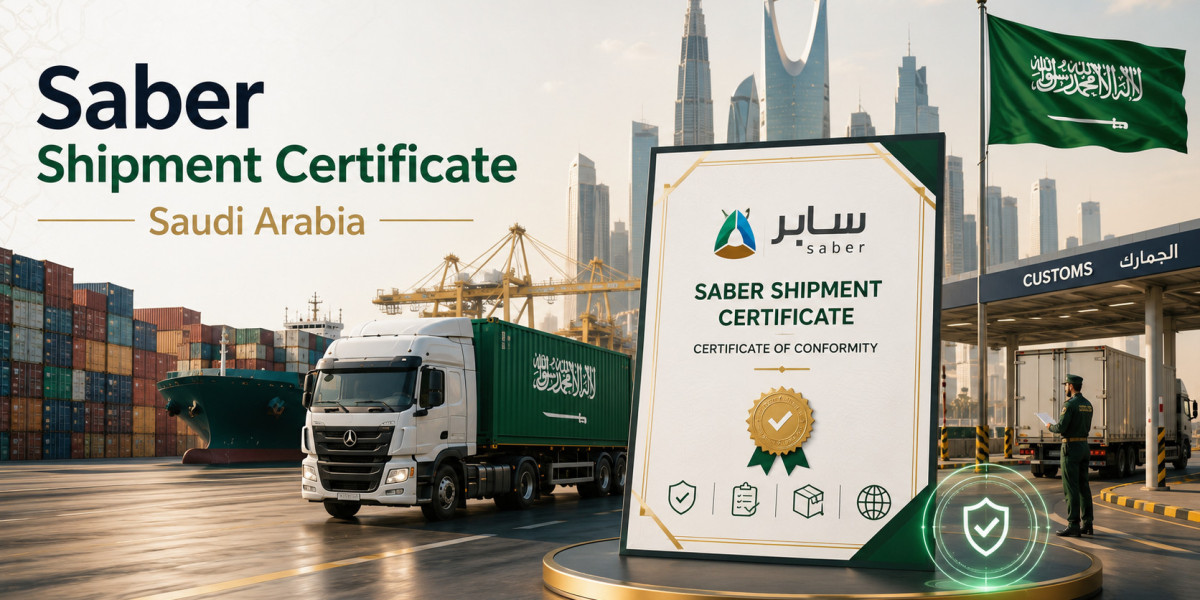

Importing products into Saudi Arabia requires businesses to meet several regulatory and customs requirements before goods can enter the market. One of the most important compliance systems for importers is the SABER platform, which helps ensure that products meet applicable Saudi technical regulations and conformity requirements. For businesses dealing with international trade, understanding SABER registration, product certification, and shipment compliance can make the import process much smoother.
Whether you are a manufacturer, supplier, importer, or distributor, completing the correct SABER product registration and obtaining the required certificates can help reduce customs delays, avoid compliance issues, and support successful market entry in Saudi Arabia.
What Is SABER Registration?
SABER is an electronic conformity assessment platform used in Saudi Arabia to facilitate the registration and certification of products entering the Kingdom. The system is connected with Saudi regulatory requirements and helps importers demonstrate that their products comply with applicable technical regulations.
Through SABER registration, businesses can register products, identify applicable technical requirements, obtain a Product Certificate of Conformity (PCoC), and request a Shipment Certificate of Conformity (SCoC) when required.
The process generally begins by identifying the correct HS Code for the product. The HS Code is particularly important because it can determine which technical regulations and conformity requirements apply to the imported product.
Why Is SABER Product Registration Important?
Saudi Arabia has established product conformity requirements to protect consumers, improve product safety, and ensure that imported and locally manufactured products meet applicable standards.
Proper product registration can provide several advantages:
Helps demonstrate regulatory compliance
Supports smoother customs clearance
Reduces the risk of shipment delays
Helps identify applicable technical regulations
Provides a structured certification process
Supports access to the Saudi market
Helps importers maintain proper compliance documentation
For businesses importing products regularly, maintaining accurate SABER records can also make future shipments easier to manage.
Understanding the SABER Certification Process
The SABER process can vary depending on the type of product, applicable regulations, and conformity assessment requirements. However, the general process can be understood through several key stages.
1. Identify the Correct HS Code
The first step is determining the correct Harmonized System (HS) Code for the product.
The HS Code is used for customs classification and can also help determine the technical regulations that may apply. An incorrect HS Code can potentially lead to incorrect regulatory requirements, documentation problems, or customs complications.
Therefore, importers should carefully verify the product classification before proceeding with certification.
2. Register the Product
After determining the appropriate product classification, the importer can proceed with SABER product registration.
Product information, manufacturer details, product specifications, and other required information may need to be provided through the platform. Accurate information is important because inconsistencies between product documents and the SABER record can create compliance issues.
3. Identify Applicable Technical Regulations
Not every product is subject to exactly the same requirements. Applicable Saudi technical regulations, standards, and conformity assessment procedures depend on the product category.
For example, products such as electrical equipment, building materials, machinery, toys, textiles, and other regulated goods may have different compliance requirements.
Understanding the applicable regulation before submitting certification documents helps prevent unnecessary delays.
4. Obtain the Product Certificate of Conformity
When required, the importer or manufacturer works with an approved Conformity Assessment Body (CAB) to complete the necessary assessment.
Once the applicable requirements have been satisfied, a Product Certificate of Conformity (PCoC) can be issued through the SABER system.
The PCoC demonstrates that the registered product has met the applicable conformity requirements for the relevant regulatory scope.
5. Apply for the Shipment Certificate
For individual shipments, an SCoC (Shipment Certificate of Conformity) may also be required.
The shipment certificate connects the specific shipment with the registered product and conformity requirements. Importers should make sure that shipment information, invoices, product details, and other supporting documents are accurate before requesting certification.
Proper shipment certification can help avoid unnecessary interruptions during the customs clearance process.
What Documents May Be Required?
The exact documentation depends on the product and applicable technical regulations. Commonly requested information may include:
Commercial invoice
Product description
Manufacturer information
Importer information
HS Code
Product technical specifications
Test reports
Product photographs
Existing conformity certificates
Manufacturer's declaration, where applicable
Packing list or shipment information
Other regulatory documents depending on the product
Importers should verify the specific documentation requirements for their product before starting the certification process.
SABER Registration and Customs Clearance
SABER registration is closely connected with the import compliance process in Saudi Arabia. Customs authorities may require evidence that regulated products have fulfilled the necessary conformity requirements.
A shipment that does not have the appropriate certification or contains inconsistent information can face delays while the issue is reviewed.
This is why SABER compliance should ideally be addressed before the shipment reaches the Saudi border or port.
Working with experienced customs and compliance professionals can help businesses coordinate SABER certification, customs documentation, and import procedures more efficiently.
Common SABER Registration Challenges
Although SABER is designed to simplify conformity procedures, importers can still encounter several challenges.
Incorrect Product Classification
Using an incorrect HS Code can result in the wrong technical regulation being selected or create additional customs complications.
Incomplete Documentation
Missing test reports, technical documents, manufacturer information, or other required paperwork can delay the certification process.
Product Information Mismatch
Product descriptions should be consistent across invoices, certificates, technical documents, packaging, and SABER records.
Lack of Regulatory Knowledge
Different products can have different technical requirements. Importers unfamiliar with Saudi conformity regulations may find it difficult to determine which certificates are required.
Last-Minute Certification
Starting the SABER process only after goods have already been shipped can create unnecessary pressure and potential delays. Advance preparation is generally a better approach.
How Professional SABER Services Can Help
Businesses that regularly import products into Saudi Arabia can benefit from professional assistance with product registration and conformity procedures.
A knowledgeable service provider can assist with:
Product classification and HS Code review
SABER product registration
Technical regulation identification
Documentation preparation
Product Certificate of Conformity coordination
Shipment Certificate processing
Compliance document review
Customs clearance coordination
Import documentation support
Professional support can be especially useful for businesses importing multiple product categories or entering the Saudi market for the first time.
SABER Compliance for Different Product Categories
SABER requirements can differ significantly depending on the product category. Products may fall under specific technical regulations covering areas such as electrical equipment, machinery, construction products, chemicals, automotive products, toys, textiles, and other consumer or industrial goods.
Because regulatory requirements can change according to product classification, importers should not assume that a certificate used for one product will automatically apply to another.
Each product should be evaluated according to its own HS Code, technical characteristics, and applicable Saudi regulations.
Benefits of Proper Product Certification
Obtaining the appropriate product certification offers more than simply completing a regulatory requirement.
It can help businesses:
Improve compliance: Proper certification demonstrates that products have been assessed against applicable requirements.
Reduce delays: Preparing documentation before shipment can minimize avoidable compliance issues.
Support customs clearance: Complete conformity documentation can contribute to a smoother import process.
Improve market readiness: Businesses can enter the Saudi market with greater confidence when their products have fulfilled applicable requirements.
Build customer trust: Compliance with recognized regulatory requirements can strengthen confidence among distributors, retailers, and customers.
Tips for a Smooth SABER Registration Process
Businesses can take several practical steps to make the process easier:
Confirm the HS Code early. Product classification should be reviewed before starting certification.
Check technical regulations. Determine which Saudi requirements apply to the product.
Prepare documents in advance. Keep technical files, test reports, invoices, and manufacturer information ready.
Maintain consistent product information. Ensure descriptions and specifications match across all documents.
Start before shipment. Avoid waiting until cargo reaches Saudi Arabia to address certification requirements.
Use qualified compliance support. Professional assistance can help identify potential issues before they affect the shipment.
Keep certification records organized. Maintaining previous certificates and product information can simplify future imports.
SABER Registration for Importers in Saudi Arabia
For international suppliers and Saudi importers, understanding the relationship between SABER registration, product conformity, and customs procedures is essential for efficient international trade.
The process becomes considerably easier when businesses understand their product classification, applicable regulations, documentation requirements, and certification obligations before shipping.
Instead of treating SABER as a last-minute customs requirement, importers should include product compliance as an important part of their overall import planning.
Conclusion
SABER Registration and Product Certification do not have to be complicated when the process is properly planned. From identifying the correct HS Code and registering products to obtaining the required PCoC and SCoC, each stage plays an important role in Saudi import compliance.
Accurate documentation, correct product classification, and early preparation can help businesses reduce compliance problems and support smoother customs clearance.
For companies importing regulated products into Saudi Arabia, professional SABER registration services can provide valuable assistance throughout the certification and compliance process. By preparing the necessary documentation and meeting applicable Saudi technical regulations before shipment, importers can improve their readiness for the Saudi market and maintain a more efficient supply chain.