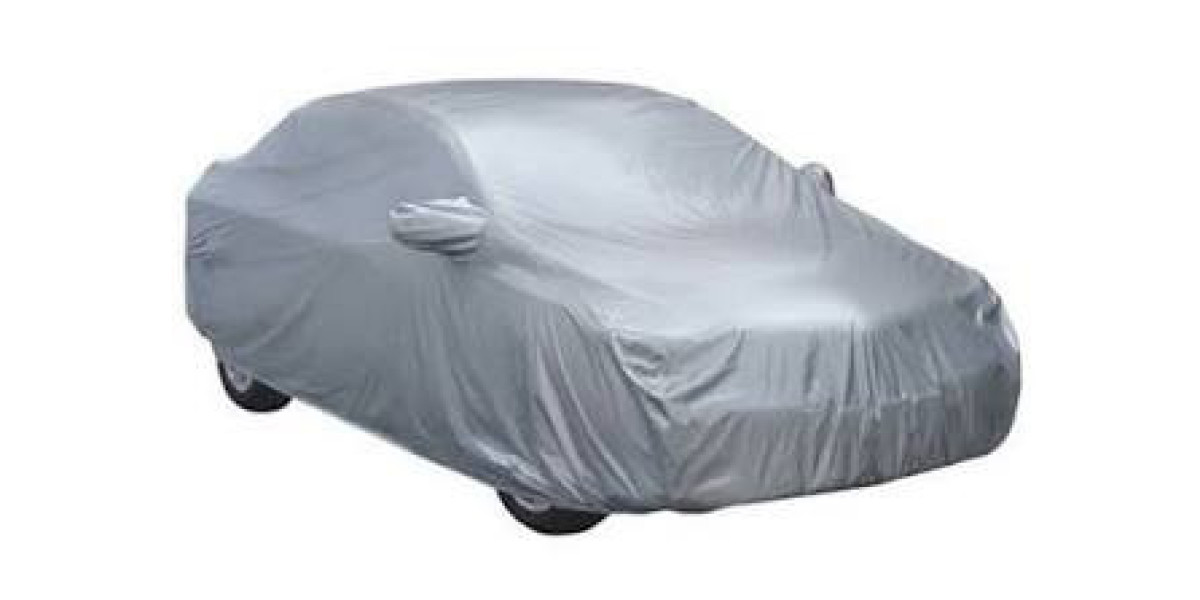

A hail proof car cover is designed to provide an additional layer of protection between your vehicle and falling hailstones. Unlike a standard car cover, a dedicated hail protection cover typically uses padded, multi-layer, or impact-absorbing materials to reduce the force transferred to the vehicle's body. This can help minimize the risk of dents, paint damage, and other problems during hailstorms.
Hail can arrive with little warning, and even a short storm can leave a vehicle covered in dents. For drivers who regularly park outdoors, choosing the right hail protection car cover can be an important part of a broader vehicle protection strategy.
What Is a Hail Proof Car Cover?
A hail proof car cover is a protective cover specifically designed to reduce the impact of hail on a parked vehicle.
Standard outdoor covers are generally made to protect against sunlight, rain, dust, dirt, bird droppings, and other everyday environmental contaminants. They are not necessarily designed to absorb significant impact.
Hail-resistant covers add protective layers or cushioning materials that help distribute and absorb some of the impact energy from hailstones. Depending on the design, these layers may include foam, EVA, quilted padding, air cushioning, or other impact-absorbing materials.
The important distinction is that hail protection is not the same as a conventional waterproof car cover. A thin waterproof cover may keep rain away from your paint, but it generally provides limited impact protection.
How Does a Hail Protection Car Cover Work?
When hail strikes an uncovered vehicle, the energy of the impact is concentrated directly on the metal, glass, and painted surfaces.
A properly designed hail cover creates a buffer between the hailstone and the vehicle. Its protective layers can absorb and distribute some of that impact energy rather than allowing it to transfer directly to the body panel.
The effectiveness depends on several factors, including:
Hailstone size and density
Storm wind speed
Cover construction
Padding or cushioning
Quality of the outer material
Fit around the vehicle
Strength of the securing system
Areas of the vehicle that the cover protects
For this reason, you should be cautious of products that describe an ordinary thin car cover as completely “hail proof.” A cover can reduce risk, but no fabric cover should be treated as an absolute guarantee against severe hail.
Why Invest in a Hail Proof Car Cover?
1. Helps Reduce Hail Damage
The primary purpose of a hail cover is to reduce the impact reaching your vehicle's body panels. A padded design provides considerably more impact protection than a basic single-layer cover.
This is especially useful for vehicles that spend a lot of time parked outdoors.
2. Protects Your Vehicle's Paint
Hailstorms are often accompanied by wind, rain, dust, and debris. A quality cover can create a protective barrier that helps reduce exposure to these contaminants.
Keeping debris away from the paint can also make cleaning after a storm easier.
3. Protects Valuable Body Panels
The roof, hood, and trunk are particularly exposed because they present broad, relatively flat surfaces to falling hail.
A well-designed hail cover should provide substantial coverage across these areas rather than leaving large sections exposed.
4. Provides Additional Weather Protection
Many hail-resistant covers are designed for outdoor use and may also offer protection from rain, sunlight, dust, and other environmental conditions.
However, always check the manufacturer's specifications rather than assuming every hail cover provides the same waterproof or UV protection.
5. Convenient Alternative When a Garage Is Unavailable
A garage or solid-roofed structure remains the strongest form of hail protection because it places a physical barrier between the vehicle and the storm.
But not every homeowner has access to a garage. A portable hail cover can provide another option for outdoor parking, particularly when a storm warning gives you enough time to install it.
What Features Should You Look For?
Not all hail covers are built the same. Before buying one, evaluate the following features.
Impact-Absorbing Padding
This is one of the most important characteristics.
Look for a cover specifically designed for hail protection with a cushioning layer capable of absorbing impact. EVA foam, closed-cell foam, quilted materials, and other cushioning technologies are used in different designs.
Don't choose a product based solely on a large advertised thickness. The quality, density, construction, and ability of the material to absorb and distribute impact also matter.
Strong Outer Material
The outer layer needs to withstand outdoor conditions. Look for durable, weather-resistant fabric that can tolerate rain, wind, sunlight, and repeated handling.
A durable shell also helps the cover remain useful after multiple storms instead of becoming damaged after a single use.
Secure Straps and Anchoring
A protective cover is only useful if it stays on the vehicle.
Strong straps, buckles, elasticized edges, reinforced attachment points, or other reliable retention systems can help prevent the cover from shifting or blowing away in windy conditions.
Wind is especially important because hailstorms can combine high-speed impacts with strong gusts.
Proper Vehicle Fit
A cover that is too loose can move excessively during a storm. One that is too small may leave important areas exposed.
Choose a cover designed for your vehicle's size and body style. Some products are available in vehicle-specific sizes, while others use broader size categories.
Coverage of Vulnerable Areas
Check whether the design covers the roof, hood, trunk, windows, mirrors, and other exposed areas.
Some covers focus primarily on body panels, while specialized systems may provide broader protection. Understand exactly what the product covers before purchasing.
Hail Proof vs. Standard Car Cover
The terms can sound similar, but the purpose can be very different.
| Feature | Standard Car Cover | Hail Protection Car Cover |
|---|---|---|
| Dust protection | Yes | Yes |
| Rain protection | Usually | Usually |
| UV protection | Often | Often |
| Basic scratch protection | Yes | Yes |
| Impact cushioning | Limited | Designed for impact protection |
| Hail protection | Limited | Higher level of protection |
| Padding | Usually minimal | Usually substantial |
| Storm-specific design | No | Often |
| Wind retention | Varies | Important design feature |
A standard cover may be perfectly suitable for everyday outdoor storage. However, if your primary concern is hail damage, look specifically for a product designed around impact protection.
Does a Hail Proof Car Cover Prevent All Hail Damage?
No cover should be considered a guaranteed solution for every hailstorm.
The size of hail makes a major difference. A basic cover may provide some benefit against smaller hail, while larger and more powerful hailstones can still cause damage. Standard fabric covers are particularly limited when hail becomes large enough to dent metal or damage glass.
A solid garage, carport, or covered parking structure is generally the preferred option whenever one is safely available.
Think of a hail cover as risk reduction rather than an absolute guarantee.
How to Use a Hail Cover Before a Storm
Preparation is important. Don't wait until hail is already falling.
Step 1: Monitor Weather Alerts
If severe weather is forecast, check your local weather service and prepare your vehicle early.
Step 2: Move to Shelter If Possible
If you have access to a garage or covered parking, use it. A solid roof provides a physical barrier that a fabric cover cannot replicate.
Step 3: Install the Cover Correctly
If outdoor parking is your only option, install the hail cover according to the manufacturer's instructions.
Make sure it covers the vehicle completely and that all straps, buckles, and attachment points are properly secured.
Step 4: Check the Fit
Inspect the cover around the wheels, bumpers, mirrors, roof, hood, and trunk. Loose sections can move significantly in strong winds.
Step 5: Remove It Safely After the Storm
Once conditions are safe, inspect the cover and vehicle. Remove the cover carefully to avoid dragging dirt or debris across the paint.
Common Mistakes to Avoid
One of the biggest mistakes is assuming that every “heavy-duty” or “all-weather” cover is automatically a hail cover.
Another mistake is choosing a cover without considering wind retention. A cover that moves around during a storm can provide less protection and may potentially rub against the vehicle's finish.
Avoid buying based solely on thickness, too. Impact performance depends on the overall construction, not simply the number of millimeters advertised.
Finally, don't treat a hail cover as a substitute for a garage when severe weather is approaching. If safe covered parking is available, it is normally the better choice.
Is a Hail Proof Car Cover Worth It?
For people who frequently park outside in hail-prone areas, a dedicated hail proof car cover can be a worthwhile investment.
Hail damage can result in dents across the hood, roof, trunk, doors, and other body panels. Repairs can be expensive and inconvenient, while vehicle damage can also affect the appearance and potentially resale value.
A quality hail protection cover gives you a portable layer of impact protection when a permanent structure isn't available.
The key is to choose a product based on genuine impact protection, secure installation, suitable coverage, and proper vehicle fit—not simply marketing claims.
Final Thoughts
A hail proof car cover can be an effective tool for reducing the risk of hail damage, particularly for vehicles that must remain outdoors during storms. The best designs combine impact-absorbing padding with durable weather-resistant materials and a secure retention system.
However, it is important to have realistic expectations. No ordinary fabric cover can guarantee protection from every hailstorm. When severe hail is forecast and a garage, carport, or other solid shelter is available, moving your vehicle under that structure remains the safest option.
If outdoor parking is unavoidable, investing in a purpose-built hail protection car cover can provide an additional defensive layer between your vehicle and falling hail. Choose carefully, install it correctly, and make sure the cover is designed for the level of weather protection you actually need.