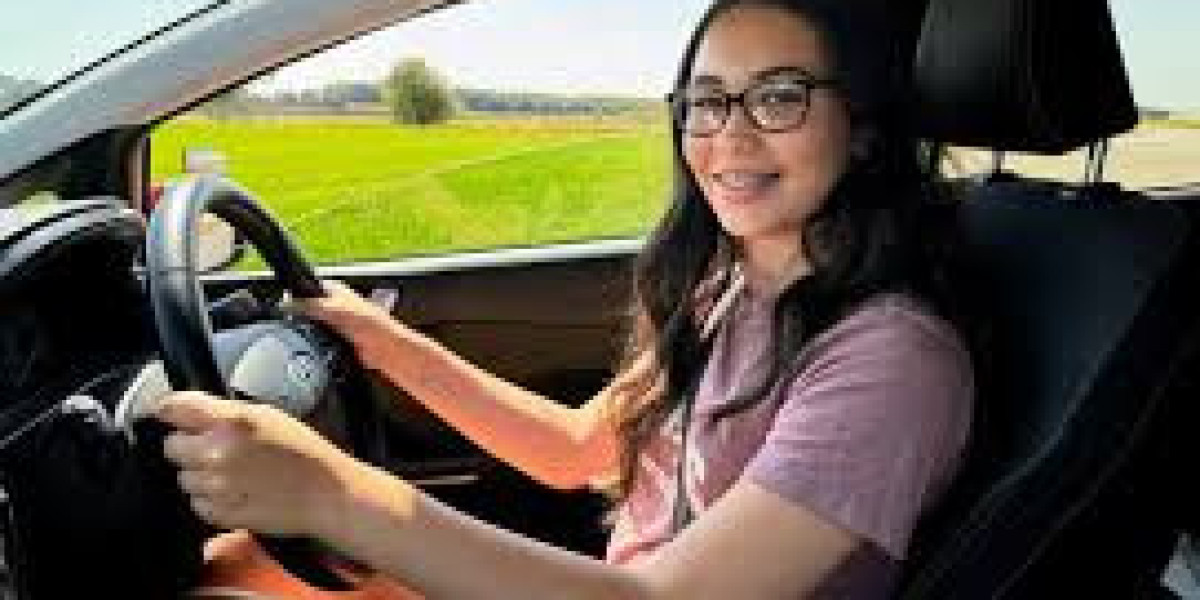

Learning to drive an automatic car can be a straightforward, comfortable, and confidence-building experience. Unlike a manual vehicle, an automatic car changes gears for you, allowing learners to concentrate more on steering, observation, road positioning, speed control, and making safe decisions.
Whether you are a complete beginner, have struggled with manual driving, or simply want to learn in an automatic vehicle, professional automatic car driving lessons can help you develop the skills needed to become a safe and independent driver.
What Are Automatic Car Driving Lessons?
Automatic car driving lessons are professional driving sessions designed to teach learners how to operate and control vehicles equipped with an automatic transmission.
In a manual car, the driver needs to operate a clutch pedal and select gears while driving. An automatic car generally removes these tasks. The vehicle selects the appropriate gear according to speed and driving conditions.
This means learners can focus more attention on:
- Steering and vehicle control
- Mirrors and observations
- Road signs and markings
- Junctions and roundabouts
- Speed management
- Pedestrian awareness
- Parking and manoeuvring
- Hazard perception
- Independent driving
A qualified instructor can structure lessons around your current ability and gradually introduce more challenging roads and situations.
Why Choose an Automatic Car?
Automatic vehicles have become increasingly popular because they can make everyday driving simpler. There is no clutch pedal to operate and no need to manually change gears.
For many learners, this can make the early stages of driving less complicated.
Easier Vehicle Control
With fewer controls to manage, learners can dedicate more attention to what is happening around them. This can be particularly useful when navigating busy roads, complicated junctions, or unfamiliar areas.
No Clutch Management
One of the biggest differences between automatic and manual driving is the absence of clutch control. Learners do not have to repeatedly find the biting point, change gears, or worry about stalling because of incorrect clutch operation.
Comfortable in Traffic
Stop-start traffic can be tiring in a manual vehicle because the driver may repeatedly operate the clutch and change gears. An automatic car handles these gear changes, potentially making urban driving more comfortable.
Useful for Modern Driving
Automatic transmissions are common in many newer vehicles, including hybrids and electric cars. Learning in an automatic can therefore provide experience with a type of vehicle many drivers choose for everyday transportation.
What Will You Learn During Automatic Driving Lessons?
A good driving course should cover much more than simply moving a car from one location to another. Your instructor should help you develop safe driving habits and prepare you for real-world driving.
1. Basic Vehicle Controls
Your first lessons may introduce you to:
- Accelerator and brake pedals
- Steering wheel
- Gear selector
- Parking brake
- Mirrors
- Indicators
- Lights and other controls
You will learn how to start, stop, move away, and control the vehicle smoothly.
2. Steering and Road Position
Correct steering and road positioning are fundamental driving skills. Your instructor will teach you how to maintain a safe position and make appropriate steering adjustments.
You will also learn how your vehicle's size and position relate to other road users.
3. Moving Away and Stopping
Learners need to understand how to move away safely, particularly from the side of the road, traffic lights, junctions, and parking areas.
You will practise checking your surroundings, signalling when necessary, controlling speed, and stopping safely.
4. Junctions and Roundabouts
Junctions and roundabouts can initially feel challenging. Professional instruction helps you understand:
- Who has priority
- When to give way
- Appropriate speed
- Correct lane positioning
- Mirror checks
- Signalling
- Safe gap selection
Repeated practice can help these decisions become more natural.
5. Parking and Manoeuvres
Automatic car driving lessons should include practical manoeuvring skills such as:
- Parallel parking
- Bay parking
- Reversing
- Pulling up safely
- Turning around where appropriate
- Parking on different types of roads
Your instructor can break each manoeuvre into manageable steps before allowing you to practise independently.
Automatic Driving Lessons for Beginners
Complete beginners often benefit from learning in an automatic because they have fewer mechanical controls to manage.
However, automatic driving is not simply about pressing the accelerator and brake. Learners still need strong observation, anticipation, judgement, and road-awareness skills.
During beginner lessons, an instructor will normally progress gradually. You may start on quieter roads before moving to busier streets, larger junctions, roundabouts, higher-speed roads, and more complicated traffic situations.
The exact pace depends on your ability and previous experience.
Automatic Lessons for Experienced Drivers
Automatic lessons are not only for people who have never driven.
If you already hold driving experience in a manual vehicle, you may want automatic lessons to become comfortable with automatic controls. A short transition course can help you understand the differences between the two types of vehicles.
Drivers who have previously driven abroad or have experience in another vehicle may also benefit from professional instruction before driving regularly on unfamiliar roads.
How Many Automatic Driving Lessons Do You Need?
There is no universal number of lessons that guarantees driving-test readiness.
Some learners progress quickly, while others need additional practice with specific areas such as roundabouts, parking, motorway driving, or independent navigation.
Your progress can depend on:
- Previous driving experience
- Frequency of lessons
- Confidence level
- Ability to apply instructor feedback
- Amount of private practice
- Familiarity with local roads
- Understanding of road rules
- Ability to identify and respond to hazards
Regular lessons can help maintain continuity and prevent long gaps between practice sessions.
How to Get the Most From Your Driving Lessons
Your time with an instructor is valuable, so preparation can make a significant difference.
Practise Between Lessons
If you have access to an appropriate vehicle and a qualified supervising driver, additional practice can reinforce what you learn during professional lessons.
Try to practise the specific skills your instructor has identified rather than simply driving without a goal.
Ask Questions
If you do not understand why your instructor has asked you to perform an action, ask. Understanding the reason behind a driving technique can help you remember it.
Learn From Mistakes
Making mistakes is a normal part of learning. Instead of becoming frustrated, identify what caused the mistake and what you can do differently next time.
Stay Consistent
Weekly lessons can provide continuity, while more frequent sessions may help some learners progress faster. The best schedule depends on your availability, budget, and learning needs.
Automatic Driving Lessons and Driving Tests
If you plan to take your practical driving test in an automatic vehicle, your instructor should help you prepare for the specific skills assessed during the test.
Preparation may include:
- Independent driving
- Following directions
- Responding to road signs
- Safe junction approaches
- Roundabouts
- Appropriate speed
- Effective observation
- Controlled manoeuvres
- Emergency-stop practice where appropriate
- Identifying and responding to hazards
A good instructor should not simply teach you how to pass a test. They should help you develop habits that remain useful after you qualify.
Is Automatic Driving Easier Than Manual Driving?
For many learners, automatic driving feels easier because it removes clutch and manual gear-change responsibilities. This can reduce the number of tasks they need to coordinate simultaneously.
However, the core responsibilities of driving remain the same.
You still need to:
- Observe carefully
- Understand road signs
- Follow traffic laws
- Judge gaps
- Control your speed
- Anticipate hazards
- Communicate with other road users
- Make safe decisions
So while an automatic car may simplify vehicle operation, becoming a good driver still requires practice and concentration.
Choosing the Right Automatic Driving Instructor
The instructor you choose can have a major influence on your learning experience.
Look for an instructor who is:
Qualified and professional: Make sure they are properly authorised to provide driving instruction in your area.
Patient: Learning speeds vary, and a supportive instructor should explain techniques without making you feel pressured.
Clear in communication: Good explanations can make difficult driving concepts much easier to understand.
Flexible: Lessons should ideally accommodate your schedule and learning requirements.
Safety-focused: Passing a test is important, but developing safe driving habits should be the priority.
It can also be useful to ask about lesson structure, vehicle availability, cancellation policies, and whether the instructor provides mock tests.
Start Learning With Confidence
Automatic car driving lessons can provide a practical pathway toward becoming a confident driver. With no clutch pedal or manual gear changes to manage, learners can dedicate more attention to observation, road positioning, hazards, and decision-making.
The key is to choose quality instruction, practise consistently, listen to feedback, and gradually build experience across different road conditions.
Whether you are starting from scratch or transitioning from manual driving, the right automatic driving lessons can help you develop the knowledge, skills, and confidence needed for safer independent driving.