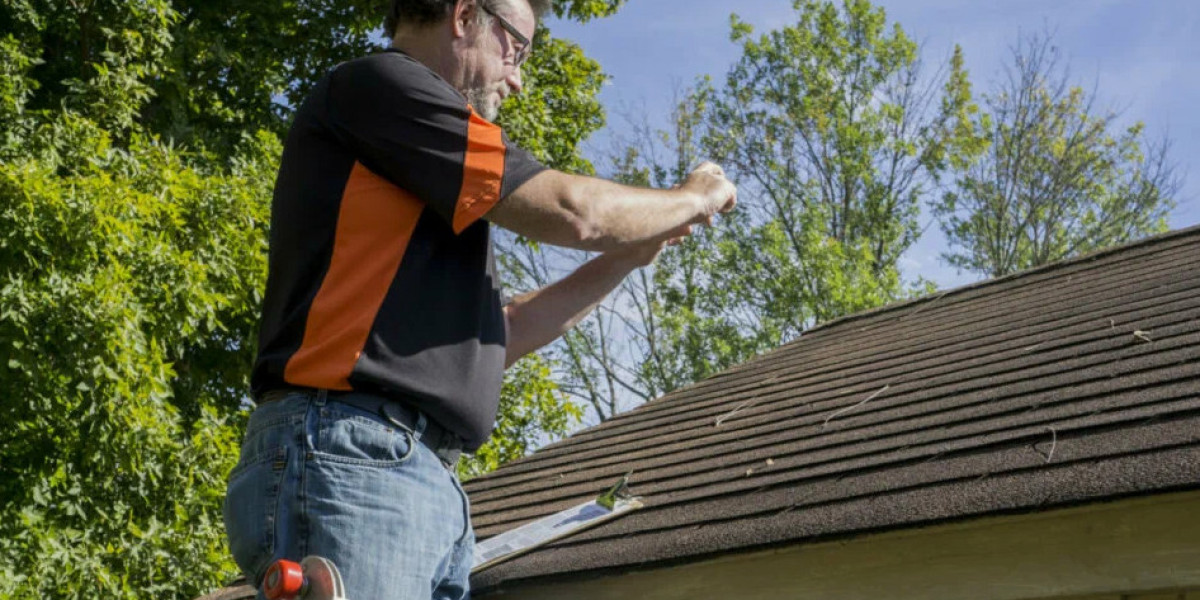

A hailstorm can cause significant damage to a home's roofing system in only a few minutes. Impact from hail may weaken shingles, damage flashing, dent gutters, and affect other exposed components, sometimes without producing an immediate leak. For Austin homeowners, understanding hail damage roof repair in Austin is essential after severe weather because seemingly minor damage can become more problematic when exposed to additional rain, wind, and intense sunlight. A timely professional inspection can help determine the actual condition of the roof and identify repairs before water intrusion creates additional problems.
Austin's weather presents several challenges for residential roofs, including high temperatures, intense ultraviolet exposure, heavy rainfall, strong thunderstorms, and periodic hail. Homeowners searching for hail damage roof repair in Austin should therefore focus on finding a roofing professional who can accurately evaluate storm-related damage rather than simply offering a quick repair. A thorough assessment should explain what has been damaged, whether the problem is localized or widespread, and whether repair or replacement is the more appropriate solution for the property's specific circumstances.
How Hail Affects Residential Roofs
Hail can damage roofing materials in different ways depending on the size and velocity of the hailstones, wind conditions, roofing material, installation quality, and age of the roof. Asphalt shingles may develop impact marks, cracks, bruised areas, or excessive granule loss. Metal flashing, vents, gutters, and other components can become dented, while some materials may crack or fracture under significant impact. Not every damaged area will immediately allow water into the home, which makes professional evaluation important. A compromised roofing component may remain functional until another storm or extended rainfall exposes the weakness. An experienced roofing contractor can assess the visible surface and supporting components to determine whether the damage is consistent with hail impact and how extensively the roofing system has been affected.
Signs of Hail Damage to Look For
Homeowners should pay attention to changes around the property after a major hailstorm. Missing or visibly damaged shingles, unusual amounts of granules in gutters, dents in metal components, damaged vents, and marks on exterior surfaces may indicate that the roof experienced impact. Inside the home, new ceiling stains, damp attic insulation, or unexplained moisture can indicate that the storm affected the roof's ability to keep water out. However, homeowners should not assume that a roof is undamaged simply because there are no interior leaks. Some problems remain hidden until the roofing materials are exposed to additional weather. Because roof surfaces can be slippery and unstable after a storm, homeowners should avoid climbing onto the roof and instead arrange a professional inspection when damage is suspected.
Why a Professional Roof Inspection Is Important
A detailed inspection can help homeowners understand the difference between hail damage, normal aging, previous repairs, and other roofing problems. A qualified roofer may examine shingles, flashing, valleys, roof edges, vents, penetrations, gutters, and drainage components. The contractor can also look for conditions that may contribute to future leaks or deterioration. If the property has an accessible attic, signs of moisture intrusion may provide additional information about the roof's performance. Documentation such as photographs and a written assessment can help homeowners understand which areas need attention. The inspection should provide enough detail for the property owner to make a sensible decision about repairs rather than relying on assumptions based on the age or appearance of the roof.
Hail Damage Roof Repair in Austin: Repair or Replacement?
The appropriate response to hail damage depends on the severity of the impact and the overall condition of the roofing system. If damage is limited to certain areas and the remaining materials are in good condition, targeted repairs may be sufficient. On the other hand, extensive impact damage, repeated leaks, widespread material deterioration, or an older roofing system may make replacement a more practical option. Homeowners should ask the contractor to explain the reasoning behind the recommendation and identify the specific conditions supporting it. The age of the roof should not be the only consideration. Previous repairs, material condition, installation quality, and the expected remaining service life can all influence the decision. A responsible contractor should evaluate the complete system rather than automatically recommending the most extensive project.
Handling Insurance After a Hailstorm
Homeowners may be able to seek insurance coverage for qualifying storm damage, but the outcome depends on the terms of the individual policy. Before beginning major repairs, property owners should understand their policy requirements and follow the insurer's procedures for reporting a potential loss. Photographs, inspection reports, estimates, invoices, and records of communication can help maintain an organized claim file. A roofing contractor can assess the physical condition of the roof and explain the work that may be required, while the insurance company determines coverage according to the applicable policy. Keeping these roles separate can help homeowners maintain realistic expectations during the process. Property owners should also avoid making assumptions about coverage, deductibles, or payment amounts without reviewing their policy or discussing those questions with their insurer.
Choosing the Right Roofing Contractor
Selecting a qualified contractor is particularly important after a widespread storm because homeowners may receive offers from numerous roofing companies. Property owners should evaluate insurance, experience, workmanship, communication, written estimates, and familiarity with the type of roofing system installed on the home. A professional contractor should explain inspection findings clearly and provide a detailed scope of work. The proposal should identify materials, labor, preparation, cleanup, and how concealed damage will be handled if it is discovered during repairs. Homeowners should be cautious of contractors who use high-pressure sales tactics, make unrealistic promises, or recommend complete replacement without adequately explaining the roof's condition. Comparing several qualified professionals can provide useful perspective and help homeowners make a decision based on quality and suitability rather than urgency.
What to Expect During Roof Repairs
Once the appropriate repair strategy has been established, homeowners should discuss the project schedule and preparation requirements with the contractor. Depending on the extent of the work, roofing repairs may involve replacing damaged materials, repairing flashing, addressing underlying moisture issues, or correcting related drainage problems. If replacement is necessary, existing roofing materials may need to be removed so the underlying surface can be inspected. Concealed deterioration should be communicated to the homeowner before additional work is performed. Weather conditions can also affect scheduling because roofing materials often require suitable conditions for proper installation. Clear communication about access, property protection, debris removal, and project timing can make the repair process more predictable and reduce unnecessary disruption.
Maintaining Your Roof After Hail Damage Repairs
Roof maintenance remains important even after storm damage has been repaired. Homeowners should keep gutters and downspouts clear, monitor visible roofing components, and address new concerns promptly. Areas around vents, flashing, valleys, roof edges, and other penetrations deserve particular attention because they can be vulnerable to water intrusion. After future severe storms, homeowners should inspect the property safely from ground level and arrange a professional evaluation if damage is suspected. Keeping records of repairs, inspections, materials, and warranties can also help track the roofing system's condition over time. Preventive maintenance cannot prevent hail or guarantee that a roof will remain damage-free, but it can help homeowners recognize developing problems sooner and plan necessary work more effectively.
Conclusion
Choosing the right approach to hail damage roof repair in Austin starts with understanding the actual condition of the roofing system. Homeowners should document visible damage from a safe location, arrange a professional inspection, understand their insurance policy, and compare qualified contractors before approving significant work. Not every hail-damaged roof requires complete replacement, while extensive impact or existing deterioration may make replacement the more practical long-term choice. Clear estimates, appropriate materials, careful installation, and ongoing maintenance all contribute to better roofing management. By responding promptly after severe weather and relying on professional evaluation rather than assumptions, Austin homeowners can address storm damage responsibly and help protect their homes against future weather conditions.