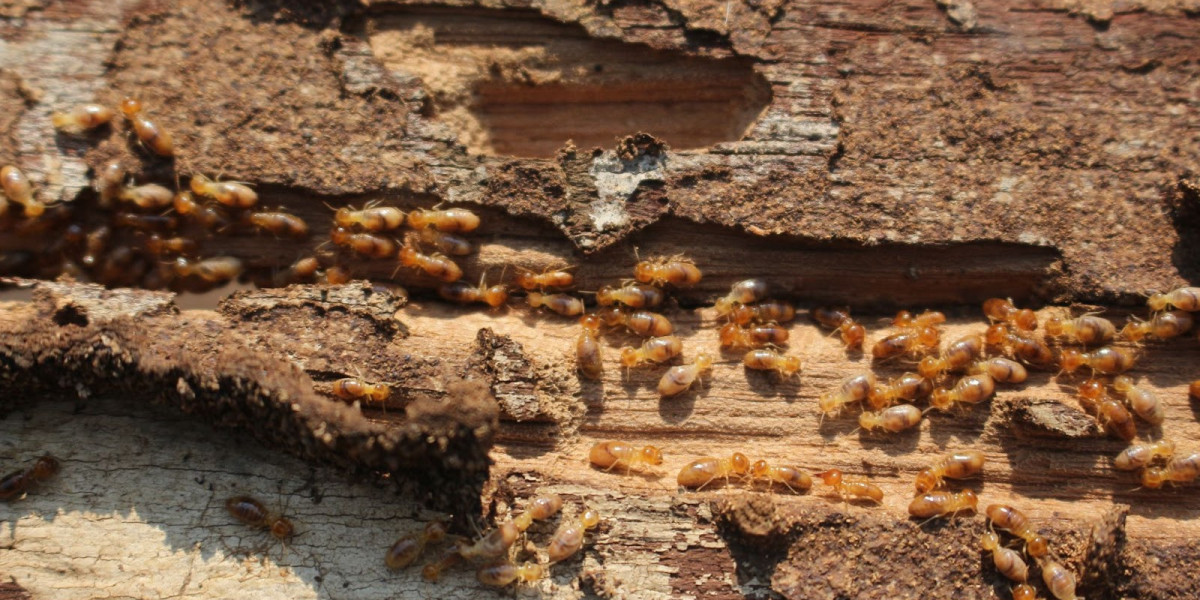

Termites may look like small and harmless insects, but they can become a serious threat to homes and other properties. These pests feed on cellulose, a material found in wood, cardboard, paper, and many plant-based materials. Because buildings often contain large amounts of wood and other cellulose-based products, termites can find plenty of food without being noticed.
The biggest concern is that termite activity is often hidden. Termites may live inside walls, floors, foundations, furniture, or other concealed areas while gradually weakening materials. By the time visible signs appear, considerable damage may already have occurred.
Termites Can Cause Structural Damage
One of the main dangers associated with termites is structural damage. Certain termite species can attack wooden beams, joists, flooring, door frames, window frames, and other timber components.
As termites consume wood, they create tunnels and galleries inside it. Over time, affected materials can become weaker. If an infestation is extensive and remains untreated, important structural components may require repair or replacement.
This is why termite activity should never be considered merely a cosmetic pest problem. When termites reach structural wood, professional assessment becomes particularly important.
Termites Can Remain Hidden for Long Periods
Another reason termites are dangerous is their ability to remain out of sight. Unlike many household pests that are easy to notice, termites can operate inside walls, beneath floors, underground, or within wooden materials.
Homeowners may see no obvious insects even when a colony is active. This hidden behavior makes regular inspections valuable, especially for properties with previous termite problems or conditions that may encourage termite activity.
They Can Damage Wooden Furniture
Termites do not only attack structural components. Wooden furniture can also become vulnerable, particularly when it is made from cellulose-rich materials.
Cabinets, tables, shelves, wardrobes, beds, and other wooden items may develop internal damage. Furniture can appear normal externally while becoming increasingly weakened inside.
Replacing valuable or custom-made furniture can be expensive, so early detection is an important part of protecting household belongings.
Termites Can Affect Flooring
Wooden flooring can also suffer from termite activity. Termites may enter through areas close to the ground or move through concealed spaces beneath floors.
Possible warning signs include weakened boards, hollow-sounding sections, unusual cracks, blistering, or areas that feel different when walked over. These symptoms can also have other causes, so professional inspection is useful for identifying the actual problem.
Termite Damage Can Become Expensive
The financial impact of termites can be significant because treatment may not be the only expense. If termites have caused extensive deterioration, homeowners may also need to pay for repairs, replacement materials, painting, flooring work, or structural restoration.
The final cost depends on factors such as the size of the infestation, affected materials, property design, and how long the termites have been active.
Taking action when the first warning signs appear can help reduce the possibility of extensive damage.
Termites Can Spread Through a Property
Once termites establish access to a suitable food source, their activity can extend into different parts of a building. Subterranean termites, for example, can travel from colonies in soil toward structures through protected routes.
An infestation that initially appears limited to one area may therefore require broader inspection. Treating only the visible section without understanding how termites are accessing the property may not provide adequate long-term control.
They Can Damage Doors and Window Frames
Wooden doors and window frames can become vulnerable to termite activity. As internal wood is consumed, affected components may weaken or become distorted.
Homeowners may notice doors or windows becoming difficult to open and close. Although humidity and normal building movement can also cause these problems, unexplained changes accompanied by other termite signs should be investigated.
Moisture Can Increase Termite Concerns
Moisture problems do not automatically cause termites, but damp conditions can contribute to an environment that supports certain termite activity and accelerates wood deterioration.
Leaking pipes, poor drainage, roof leaks, and water accumulation near foundations should therefore be addressed promptly. Keeping vulnerable areas dry is an important part of general property maintenance and termite prevention.
Termites Can Create Problems for Older Properties
Older properties may contain aging wooden components, hidden moisture problems, and areas that have not been inspected for years. These factors can make it particularly important to monitor for termite activity.
However, newer buildings are not completely protected. Termites can enter through soil, construction gaps, wooden materials, landscaping features, and other pathways. Therefore, termite prevention should be considered regardless of a property's age.
Signs That May Indicate Termite Activity
Knowing the common warning signs can help homeowners respond sooner. Potential indicators include mud tubes, discarded wings, flying termites, hollow-sounding wood, small piles of termite droppings, damaged wooden surfaces, and unexplained cracks or openings.
A single sign does not always confirm an infestation. However, multiple signs appearing together should encourage homeowners to seek professional advice.
Why DIY Termite Treatment May Not Be Enough
Household insecticides may kill visible insects, but termite colonies can remain hidden in inaccessible locations. Spraying the insects that can be seen may therefore fail to address the underlying source.
Professional pest-control technicians can inspect affected areas and determine an appropriate management strategy. Depending on the situation, treatment may involve targeted applications, baiting systems, monitoring, or other professional methods.
Professional Inspection Can Protect Your Property
A professional termite inspection can help determine whether termites are active, where they may be entering, and which parts of the property may be affected.
Early inspection is particularly useful because termite damage can progress without obvious symptoms. Professional guidance can also help homeowners understand preventative measures that may reduce the risk of future infestations.
How to Protect Your Home From Termites
Homeowners can take several practical steps to reduce termite risks. Repair plumbing leaks promptly, maintain proper drainage, keep gutters clean, remove unnecessary wood debris, store firewood away from the property, and avoid direct wood-to-soil contact where possible.
Regularly inspect wooden structures and pay attention to unexplained damage. If you have previously experienced termite activity, periodic professional inspections can provide additional protection.
Why Early Action Matters
The longer an active termite infestation remains untreated, the greater the opportunity for damage to spread. Early detection allows homeowners to investigate suspicious activity before it potentially affects more parts of the property.
Instead of waiting for severe structural damage, homeowners should respond to early warning signs and seek professional assistance when necessary. Prevention and timely treatment are generally better approaches than dealing with extensive damage later.
Conclusion
Termites are dangerous because they can remain hidden while gradually damaging structural wood, flooring, furniture, doors, cabinets, and other property components. Their ability to spread through concealed areas means that visible signs should never be ignored. Regular inspections, moisture control, property maintenance, and professional treatment can all play an important role in protecting a home.
Safe Horizon provides professional pest-control support to help property owners address termite concerns and protect their properties. If you are searching for the Best Termite Control in Al Qouz, taking action early and arranging a professional inspection can help reduce the risk of costly termite damage and support long-term protection for your home.