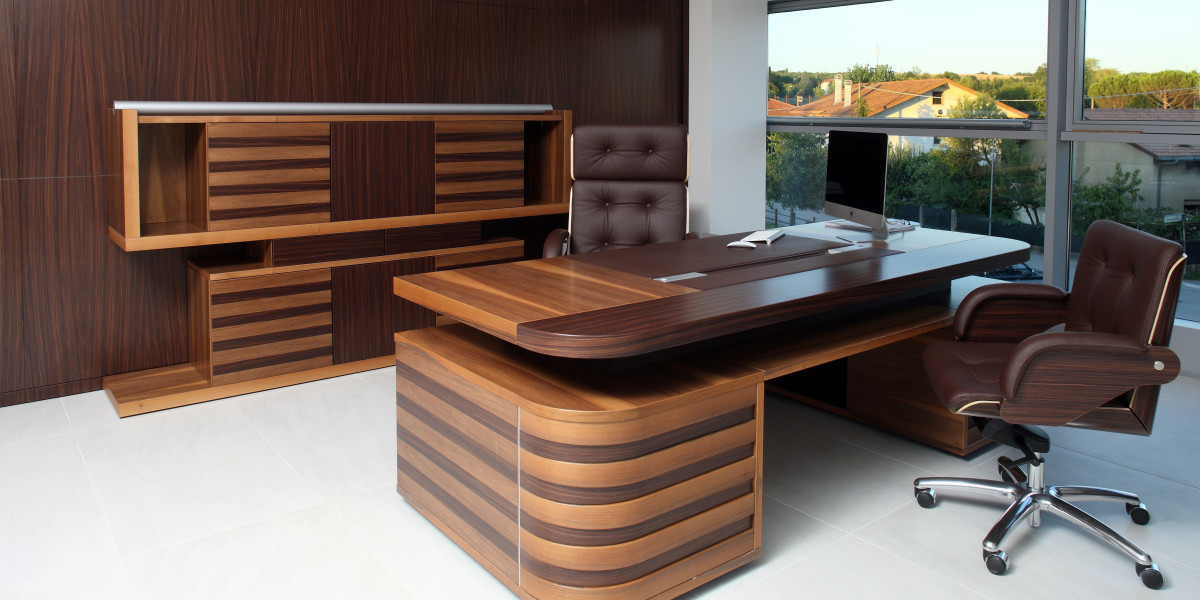

A successful workplace should make everyday tasks easier, more comfortable, and more organized. Office furniture has a direct role in achieving this because employees interact with desks, chairs, storage units, conference tables, and workstations throughout the working day. Furniture should therefore be selected according to the activities performed in each area rather than based only on appearance. A well-planned office can provide dedicated spaces for focused work, meetings, teamwork, reception, storage, and relaxation. When each area has suitable furniture, employees can move around the workplace more naturally and complete their responsibilities with fewer distractions. Good planning also allows businesses to create a professional setting that reflects their working culture and provides a positive experience for clients and visitors.
Selecting Desks That Match Work Requirements
Desks are among the most frequently used items in any workplace, so choosing the right design is essential. Employees who work primarily with computers may need spacious surfaces with room for monitors, keyboards, documents, and accessories. Staff members who regularly handle paperwork may benefit from additional desk space or nearby storage. Executive desks can provide a more substantial appearance, while compact work desks may be better suited to smaller offices. Shared desks and benching systems can also support businesses that want to encourage communication between team members. The most suitable option depends on the available space, number of employees, workflow, and equipment used throughout the day.
Prioritizing Ergonomics and Employee Comfort
Comfort should remain a central consideration when planning an office. Employees who spend long periods working at desks need seating that provides appropriate support and allows adjustments for different body types. Adjustable chairs, supportive backrests, suitable seat heights, and correctly positioned desks can contribute to a more comfortable working environment. Monitor placement and desk organization also affect how employees interact with their workstations. An ergonomic setup can help employees maintain a more natural posture and reduce unnecessary discomfort during their working hours. Businesses that consider comfort when purchasing furniture can create a workplace where employees can concentrate on their responsibilities more effectively.
Improving Office Layout and Movement
An attractive office can quickly become inconvenient if the layout restricts movement. Furniture placement should leave enough room for employees to walk between desks, access storage, enter meeting areas, and move around shared spaces. Large furniture pieces should be positioned carefully so they do not create unnecessary barriers. Smaller offices can benefit from compact desks, wall-mounted storage, mobile pedestals, and flexible seating. Larger workplaces can use different furniture arrangements to separate departments or create specific zones. A thoughtful layout makes the office easier to navigate while ensuring that available floor space is used efficiently.
Creating Functional Meeting Areas
Meetings are an important part of business operations, whether employees are discussing projects, meeting clients, or working with external partners. A dedicated meeting area can provide a more professional setting for these activities. Conference tables should offer enough surface space for laptops, documents, and presentation materials, while chairs should remain comfortable during longer discussions. The size of the meeting table should correspond with the number of people who typically attend meetings. Smaller businesses may prefer compact tables that can accommodate occasional discussions, while larger organizations may require spacious conference furniture. Flexible meeting areas can also serve as collaboration zones when formal meetings are not taking place.
Using Storage to Reduce Workplace Clutter
Organization becomes easier when employees have convenient places to store documents and equipment. Filing cabinets, cupboards, shelves, pedestals, and personal storage units can help keep important materials accessible without covering desks and walkways. Storage should be positioned according to how frequently items are used. Frequently accessed materials can remain close to workstations, while archived documents can be placed in dedicated storage areas. A clean workplace can create a more professional appearance and make it easier for employees to locate essential items. Proper storage planning also allows businesses to maintain a neat environment without constantly rearranging work areas.
Creating a Professional Reception Area
The reception area often forms the first impression of a company. It should therefore be comfortable, welcoming, and consistent with the business environment. A suitable reception desk can provide employees with an organized workspace while giving visitors a clear point of contact. Comfortable visitor chairs and practical side tables can make waiting areas more pleasant. The materials and design of reception furniture can also complement the company's visual identity. Even a small reception area can appear professional when furniture is selected carefully and arranged without unnecessary clutter.
Encouraging Communication Between Employees
Many businesses depend on teamwork, brainstorming, and regular communication. Furniture can help support these activities by creating spaces where employees can interact without disturbing colleagues who need quiet working conditions. Shared tables, collaborative desks, informal seating, and small discussion areas can encourage employees to exchange ideas. Mobile furniture can provide additional flexibility because tables and chairs can be moved when project teams require a different setup. A combination of individual and collaborative spaces gives employees more choice and allows the workplace to accommodate different working styles.
Choosing Materials for Long-Term Use
Durability should be considered alongside design and price when selecting workplace furniture. Desks, chairs, cabinets, and tables are used frequently and should be capable of handling regular daily activity. Materials should be suitable for the environment and relatively easy to maintain. Surfaces that can be cleaned easily are particularly useful in busy workplaces. Strong construction can also help furniture maintain its appearance and functionality over time. Businesses should consider expected usage, maintenance requirements, warranty coverage, and replacement costs rather than choosing an option based solely on its initial price.
Combining Practicality With Office Style
Workplace design does not need to sacrifice practicality. Furniture can provide essential functionality while contributing to a consistent visual theme. Businesses may choose neutral finishes for a traditional corporate environment or incorporate contemporary materials and shapes for a more modern appearance. The important factor is consistency. Desks, chairs, storage, partitions, and meeting furniture should work together instead of appearing as unrelated pieces. A coordinated environment can make the office feel more organized and can reinforce the professional image of a company.
Making Flexible Choices for Future Growth
Businesses often change as they develop, which means their workplace requirements can change as well. A company may add employees, reorganize departments, introduce new technology, or change its working arrangements. Furniture that can be adjusted or reconfigured can make these transitions easier. Modular workstations, movable tables, adaptable storage, and flexible seating can allow businesses to modify their layout without replacing everything. Planning for future changes can also prevent unnecessary spending and help companies maintain a functional workplace as their operations expand.
Supporting Different Types of Work
Not every employee works in the same way. Some staff members need quiet spaces for concentration, while others spend much of their time communicating with colleagues or attending meetings. Designers should consider these differences when planning the workplace. Individual workstations can support focused tasks, while shared areas can accommodate group activities. Comfortable seating areas may provide a suitable location for informal discussions, and private rooms can be useful for confidential conversations. A varied workplace can accommodate different responsibilities while giving employees access to environments that suit their tasks.
Making Smart Furniture Purchasing Decisions
Businesses should evaluate furniture purchases from both practical and financial perspectives. Measuring the available space, identifying employee requirements, setting a realistic budget, and considering future needs can make the purchasing process more efficient. It is also useful to compare construction quality, functionality, maintenance requirements, and design before making a final decision. Buying furniture that genuinely supports workplace activities can provide better value than choosing products simply because they look attractive. Careful planning can also reduce the risk of overcrowding and ensure that every piece has a useful purpose.
Creating a Workplace That Works Better
A productive workplace is created through many small decisions, and furniture is one of the most visible and practical elements. Office furniture should provide comfort, support efficient workflows, improve organization, and complement the overall appearance of the business. Desks should suit daily tasks, chairs should support comfortable working positions, storage should control clutter, and collaborative areas should encourage communication. When these elements are planned together, businesses can create a workplace that feels organized and purposeful.
Final Thoughts
The right Office furniture can make a significant difference to how a workplace looks and functions. Businesses should focus on comfort, durability, space planning, storage, flexibility, and design rather than selecting furniture based on appearance alone. A carefully organized office can provide employees with a better working environment while presenting a professional image to customers and visitors. With thoughtful planning and suitable furniture choices, businesses can create spaces that remain practical, attractive, and adaptable as their needs change. Queens arts and trends can be a useful source of inspiration for businesses seeking ideas that combine practical workplace requirements with a distinctive office style.