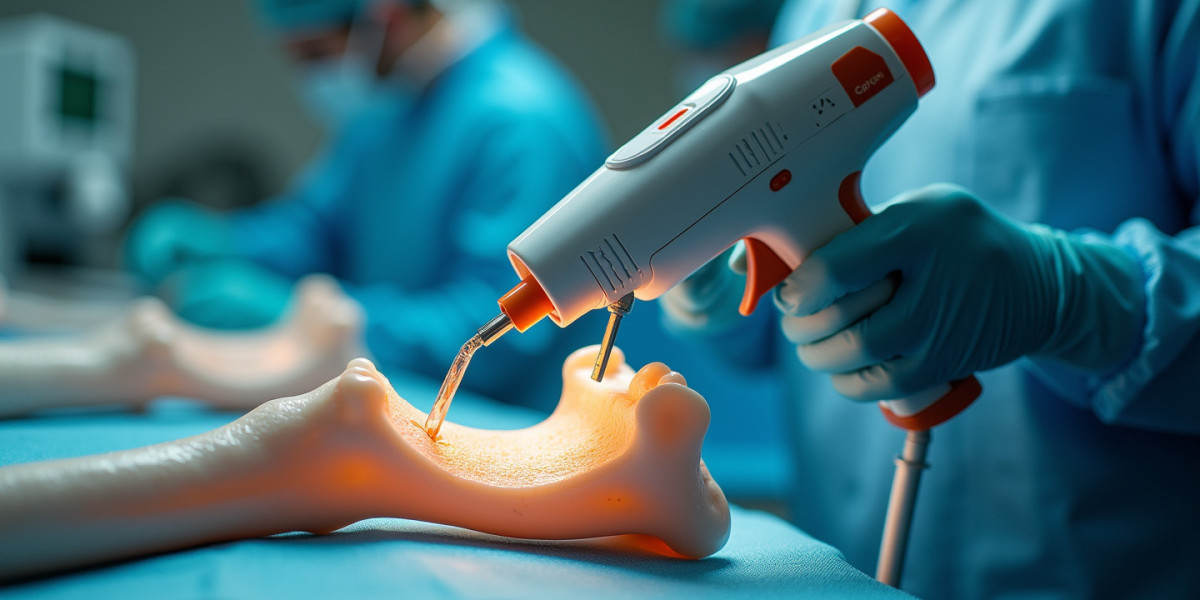

Bone healing technology has expanded dramatically over the past few decades. Patients now encounter many device options when researching fracture recovery. Navigating this landscape requires understanding key selection considerations carefully. Not every technology suits every patient or fracture type equally well. The right choice depends on individual clinical circumstances and physician guidance. This article helps patients understand what to consider when exploring bone healing technologies. Informed patients make better decisions and achieve better outcomes during recovery.
Understanding Why Technology Selection Matters
Selecting appropriate bone healing technology significantly influences recovery outcomes. Different technologies address different aspects of the healing process distinctly. Some devices provide mechanical stability essential in early fracture care. Others deliver biological stimulation to enhance cellular repair activity. Still others monitor healing progress to guide clinical decision-making throughout. Understanding these functional categories clarifies what any given technology is designed to achieve clinically.
Technology selection also influences recovery timeline and complication risk meaningfully. Using an inappropriate device may delay healing or miss key biological opportunities. Using evidence-based technology at the correct time optimizes the biological healing environment. Physician assessment of fracture type, location, and patient health guides appropriate selection. Technology chosen without this thorough assessment may not match the clinical need. This is why professional prescription and guidance is always preferred over self-directed selection.
Questions to Ask When Exploring Options
Patients exploring bone healing technologies should ask several key questions upfront. What is the clinical evidence base supporting this specific technology option? Has the technology received regulatory clearance from agencies like the FDA? What is the appropriate timing for starting this particular technology? Are there any contraindications relevant to my personal health history? How does this technology fit within my broader treatment plan? These questions help patients evaluate options critically and constructively before proceeding.
Evaluating the Evidence Behind Bone Healing Technologies
The strength of clinical evidence is the most important selection consideration overall. Technologies with extensive randomized controlled trial data offer the greatest clinical confidence. Systematic reviews that pool multiple trial results provide the strongest available evidence. Technologies supported only by testimonials or small uncontrolled studies carry more uncertainty. Understanding the difference between these evidence levels protects patients from unproven options.
Regulatory clearance provides an important evidence-based benchmark for technology assessment. The FDA clearance process requires rigorous demonstration of safety and effectiveness. Cleared devices must meet strict manufacturing and performance standards consistently. Clearance does not guarantee benefit for every individual patient on its own. However, it ensures that a device meets a validated standard of demonstrated safety. Patients should confirm that any device they consider carries appropriate regulatory clearance.
The consistency of benefit across different research groups also matters considerably. When multiple independent research teams reach similar conclusions, confidence increases. Single-study results, while interesting, may not reflect broader patient experience reliably. Meta-analyses and systematic reviews reflect accumulated experience across many studies. These comprehensive analyses represent the highest standard of evidence in clinical research today.
Considering Fracture Type and Location in Technology Choice
Fracture type and location significantly influence which technologies are most appropriate clinically. Simple stable fractures in healthy patients may not require adjunctive technology at all. Complex, unstable, or displaced fractures often benefit from additional technology support. High-risk anatomical locations like the scaphoid wrist have elevated healing challenges. These locations particularly benefit from technologies that actively promote blood vessel formation.
Fracture severity also determines the appropriate role for any specific technology. Fresh fractures with high nonunion risk benefit from early stimulation device use. Delayed unions where healing has slowed warrant prompt technology intervention and evaluation. Established nonunion cases require the most intensive technology-supported treatment approaches. The specific technology selected should match the severity and clinical timing precisely. Physician assessment of these factors guides appropriate technology selection throughout recovery.
Patient Health Status as a Technology Selection Factor
Patient health status significantly influences which technologies provide the most benefit. Elderly patients with osteoporosis heal more slowly and less reliably overall. Stimulation technologies are especially valuable for this specific patient population. Diabetic patients face vascular and cellular healing deficits requiring targeted technology support. Technologies that enhance blood vessel formation benefit diabetic fracture patients particularly. Smokers benefit from angiogenesis-promoting technologies due to their compromised vascularization capacity.
Patients on certain medications may require technology adjustments and careful consideration. Corticosteroids impair bone healing and increase the need for stimulation support. Blood thinners require consideration in surgical and some interventional approaches. Implanted electronic devices create contraindications for some electrical stimulation technologies. Pregnant patients require specific evaluation before most energy-based technologies are prescribed. Physicians assess these health factors comprehensively before recommending specific technologies.
Practical Considerations for Technology Use at Home
Many modern bone healing technologies are designed specifically for at-home daily use. Practical considerations for home use significantly influence real-world clinical benefit. Device complexity affects whether patients will use it correctly and consistently. Technologies requiring minimal setup and brief sessions support better long-term adherence. Simple operation instructions and clear training support confident home device use. Compliance tracking features help both patients and physicians monitor adherence effectively. High compliance with daily use is the most critical factor for achieving device benefit.
The ultrasound bone healing device is a well-established example of technology designed specifically for daily home use, offering a 20-minute treatment session with coupling gel over the fracture site to deliver low-intensity pulsed acoustic energy that consistently stimulates osteoblast-driven cellular repair processes. Its compact and portable design suits varied home environments easily. Digital compliance tracking ensures sessions are completed and recorded automatically. Bluetooth connectivity links the device to monitoring applications conveniently. Physicians review this compliance data at regular follow-up appointments. Its safety record and clinical evidence make it a widely trusted home therapy option.
Insurance Coverage and Financial Considerations
Insurance coverage significantly influences technology accessibility for many patients. Major insurers increasingly recognize evidence-based stimulation devices for coverage. Pre-authorization processes require clinical documentation of medical necessity from physicians. Physicians assist patients in preparing this documentation for insurance submissions. Rental programs reduce upfront financial barriers for some device options. The long-term cost savings from preventing complications justify device investment. Patients should discuss coverage options with both their physician and their insurer directly.
Timing of Technology Introduction During Recovery
The timing of technology introduction significantly affects clinical outcomes for patients. Some technologies provide the greatest benefit when started very early in recovery. Ultrasound stimulation initiated within days of fracture captures the full healing process. Early initiation ensures every biological stage benefits from consistent active stimulation. Delaying technology introduction by weeks reduces the total biological benefit accumulated.
Other technologies are introduced at specific healing stages for maximum clinical effect. Rehabilitation technology is introduced progressively as bone stability allows controlled loading. Monitoring technology is used throughout recovery to track all healing stages. Advanced biological therapies may be introduced when standard approaches prove insufficient. Understanding appropriate timing requires physician guidance based on healing stage assessment. Patients should discuss timing questions openly with their treating physician throughout recovery.
Integrating Multiple Technologies Into a Coordinated Plan
Modern fracture care often involves multiple complementary technologies used simultaneously. Structural immobilization provides the mechanical foundation for all biological healing. Energy-based stimulation enhances the cellular repair activity within that structural framework. Digital monitoring ensures the combined approach is achieving expected healing progress. Nutritional optimization provides the metabolic resources that activated cells require. Each technology contributes a distinct and important dimension to comprehensive fracture care.
Coordination between technologies and care team members is essential for success. Surgeons, physical therapists, dietitians, and primary care physicians each contribute expertise. Communication ensures different technology interventions complement rather than conflict with each other. Patients benefit when the care team is aligned around a coherent comprehensive plan. This multidisciplinary coordination produces outcomes superior to any single technology alone. Technology works best as part of a coordinated, patient-centered care approach throughout.
Exploring bone healing technologies requires considering evidence, fracture type, patient health, and practicality. Regulatory clearance and consistent clinical evidence should guide all technology selection. Patient health status identifies who will benefit most from specific technology options. Practical home use considerations determine whether technology produces real-world clinical benefit. Timing of technology introduction significantly influences the magnitude of achievable clinical benefit. Coordinating multiple technologies within comprehensive care produces the best patient outcomes consistently. Patients who engage thoughtfully with these considerations make the most effective technology choices.