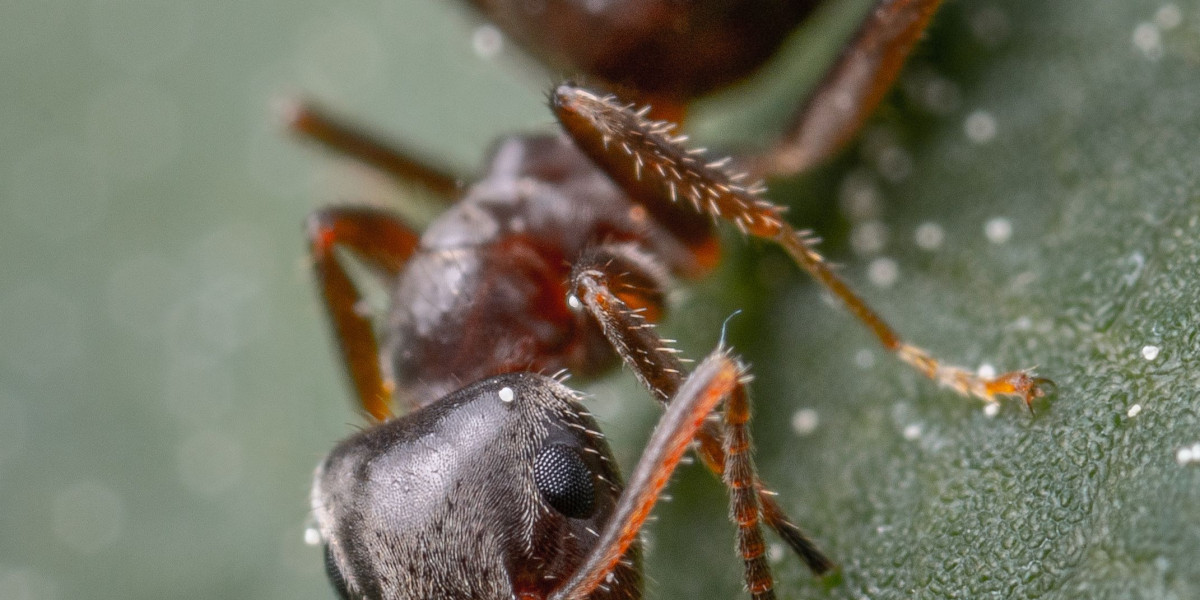

Ant activity can become difficult to manage when colonies establish themselves near food sources, gardens or sheltered areas around a building. Before arranging ant control Melbourne, property owners can take several practical steps to help make a professional inspection and treatment more effective. Preparing the property also helps identify where ants are entering, what may be attracting them and which areas require closer attention.
Identify Areas Where Ants Are Active
Start by observing where ants appear most frequently. Common locations include kitchen benches, pantry shelves, bathroom corners, window frames, doorways and outdoor entertaining areas. Following visible ant trails may help reveal the route between their food source and an entry point.
Avoid disturbing every trail before the inspection. Making a note of the affected rooms, approximate activity levels and times when ants are most noticeable can provide useful information. If ants appear in several parts of the property, record those locations as well.
Outdoor observations are equally important. Ants may travel along garden edges, paving joints, retaining walls and the foundations of a building. Identifying these areas can help a pest management professional assess whether activity is concentrated indoors or connected to an outdoor colony.
Remove Common Food Sources
Food residue is a frequent reason ants continue visiting kitchens and dining areas. Before treatment, clean benches, wipe up spills and remove crumbs from floors and cupboards. Store sweet foods, cereals, pet food and other pantry items in sealed containers where practical.
Pay attention to areas that are often overlooked, including the space beneath appliances, the corners of pantry shelves and the floor around rubbish bins. Empty bins regularly and ensure their lids fit securely.
Pet feeding areas may also attract ants, particularly when food remains in bowls for extended periods. Cleaning these areas and storing pet food appropriately can help reduce the availability of food.
These preparation steps do not necessarily eliminate an established colony. However, reducing accessible food can help limit the attractions that encourage ants to keep returning to the same locations.
Check Moisture and Potential Entry Points
Some ant activity is associated with damp areas or reliable water sources. Inspect the spaces beneath sinks, around plumbing connections, near laundry appliances and around outdoor taps. Address leaking pipes and standing water where possible.
Next, look for potential entry points around doors, windows, wall gaps and service openings. Small cracks and openings can provide access between outdoor areas and indoor spaces. Photographing these locations can help document the areas that may require attention.
Do not seal every suspected entry point before a professional inspection if doing so could hide important evidence of ant movement. Ask the technician whether particular gaps should be sealed before or after treatment.
For properties experiencing recurring infestations, ant control Richmond may involve assessing more than the visible ants. A thorough inspection can help identify contributing conditions, possible nesting areas and routes that allow ants to reach indoor spaces.
Prepare the Property for Inspection
A clear and accessible property makes it easier to examine affected areas. Move small objects away from active ant trails and clear access to cupboards, skirting boards and under-sink spaces where activity has been reported.
You do not need to empty every cupboard or move heavy furniture unless instructed. Focus on making the known problem areas accessible and informing the technician about locations that are difficult to reach.
If you have used supermarket sprays, ant baits or other products, mention this during the inspection. Provide the product name if available and explain where and when it was applied. Previous treatments may affect visible ant behaviour, so this information can help the technician plan the next steps.
Keep children and pets away from treated areas according to the technician's instructions. If the property contains aquariums, sensitive equipment or other specific concerns, raise these before treatment begins.
Understand the Treatment Plan
Different ant problems may require different approaches. The appropriate method depends on the ant species, the extent of activity, the location of the colony and the conditions around the property.
During the inspection, ask the technician what areas will be treated, whether any preparation is still required and how long the property should remain undisturbed. It is also useful to understand any precautions relating to food preparation surfaces, ventilation, children and pets.
Follow the product-specific safety directions and professional advice rather than applying additional chemicals independently. Combining products or spraying over bait placements may interfere with the intended treatment approach.
Ask what signs to monitor after treatment and when follow-up contact may be appropriate. Some treatments do not produce an immediate disappearance of every ant, so the expected timeline should be explained for the particular method being used.
Maintain Good Habits After Treatment
Once the treatment is complete, continue storing food securely, cleaning spills promptly and managing rubbish. Keep an eye on previously affected areas without unnecessarily disturbing treated surfaces or bait placements.
Where recommended, repair leaking plumbing, improve drainage and seal suitable gaps around windows, doors and service openings. Trim vegetation that directly contacts the building if it provides an easy route for ants to reach the structure.
If activity continues, record where ants are appearing and whether the pattern has changed. Contact the pest management professional for guidance instead of repeatedly applying different products. The next step may depend on the treatment used and the species involved.
Get Your Property Ready for Professional Ant Management
Preparing a property involves more than cleaning visible ant trails. Careful observation, sensible food storage, moisture management and clear access to affected areas can help a technician investigate the problem and recommend an appropriate response. Consistent maintenance after treatment can also reduce conditions that encourage future activity.
If ants continue appearing despite routine cleaning and preventative measures, professional ant control Brighton can help property owners assess the source of the problem and determine suitable management options. Addressing the conditions that attract ants, alongside an appropriate treatment plan, provides a practical way to manage infestations in residential and commercial properties.