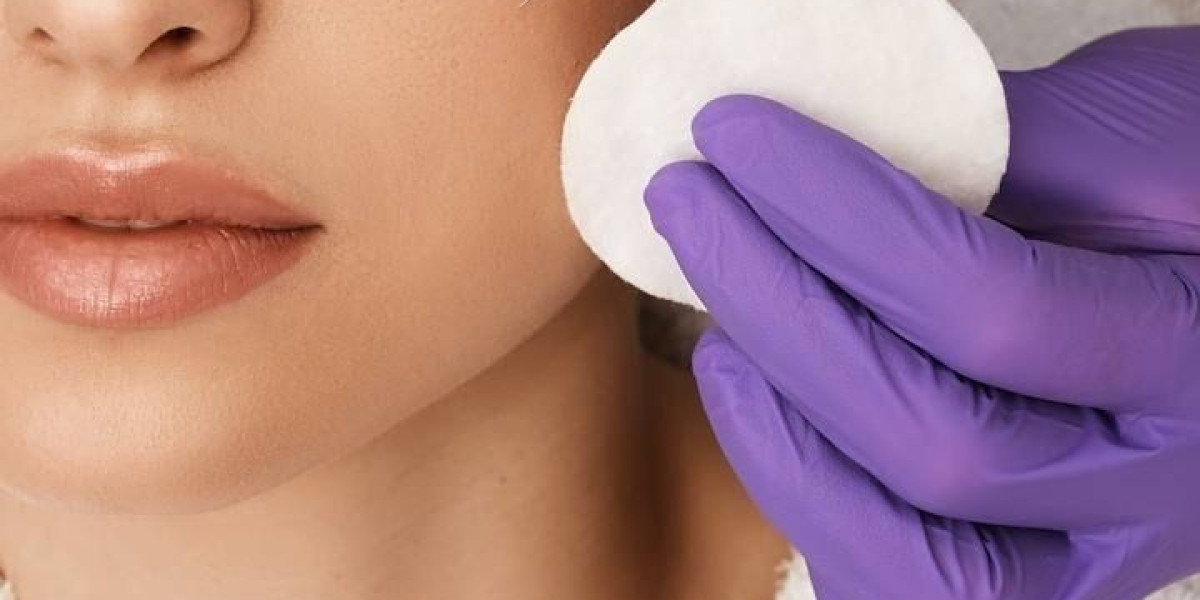

A smooth and refined facial appearance is often associated with balanced contours, healthy-looking skin, and well-defined features. As people age, however, the face naturally undergoes several changes. Skin elasticity decreases, facial tissues gradually shift, and areas such as the cheeks, jawline, and neck may become less defined.
These changes are a normal part of aging, but some people may want to restore a more refreshed appearance. A facelift is a surgical facial rejuvenation procedure that focuses on certain signs of aging, particularly sagging skin and changes in the position of underlying tissues. With careful planning, it may help create smoother contours while preserving the individual's natural facial characteristics.
What Causes Facial Contours to Change?
Several factors contribute to changes in facial appearance. The natural reduction of collagen and elastin can cause the skin to become less firm. Gravity gradually affects facial tissues, while environmental exposure and lifestyle factors can influence skin quality.
Changes in facial volume may also alter the appearance of the cheeks and lower face. As tissues move downward, the jawline can become softer and folds around the lower face may become more noticeable.
Because these changes occur at different rates for every individual, facial rejuvenation should be planned according to each person's specific concerns.
How a Facelift Can Create a Smoother Look
A facelift primarily addresses loose skin and sagging facial tissues. Depending on the patient's anatomy and treatment goals, a surgeon may reposition underlying tissues and carefully manage excess skin.
This can improve the appearance of the lower face and create a smoother transition between different facial areas. The cheeks, jawline, and neck may appear more supported following healing.
The goal is not simply to pull the skin tightly. Modern surgical planning considers underlying structures and facial proportions to help produce a balanced result.
Refining the Jawline and Lower Face
The jawline can lose definition as facial tissues descend with age. Loose skin around the lower face and neck may make the contour appear softer.
A facelift may help improve this concern by addressing tissue laxity and excess skin. When appropriate, the treatment plan may also include attention to the neck to create a more harmonious lower facial contour.
The degree of improvement varies between patients and depends on factors such as skin elasticity, tissue position, facial anatomy, and healing.
Maintaining Natural Facial Proportions
A refined appearance should still look like the patient. For this reason, preserving natural facial proportions is an important consideration during facelift planning.
A qualified surgeon may assess the cheeks, jawline, chin, neck, and overall facial balance before recommending a technique. This assessment helps determine how much correction is appropriate.
Patients should communicate their aesthetic goals clearly. Explaining which areas they would like to improve and which features they want to maintain can help establish realistic expectations.
Who May Consider a Facelift?
Facelift surgery may be considered by adults who have noticeable facial laxity and want to address certain age-related changes. Common concerns include sagging cheeks, loose skin along the jawline, lower facial folds, and neck laxity.
Good candidates generally understand the limitations of surgery and have realistic expectations. A consultation is necessary to determine whether the procedure is appropriate based on overall health, facial anatomy, skin condition, and personal goals.
In some cases, a surgeon may recommend a non-surgical approach if the patient's concerns are mild.
Preparing for the Procedure
Proper preparation is an important part of the facelift process. During an initial consultation, the surgeon may review medical history, medications, allergies, previous treatments, lifestyle factors, and aesthetic expectations.
Patients may receive instructions related to medications, smoking, skincare, and other factors that can affect healing. Following these recommendations carefully can support a smoother treatment experience.
It is also helpful to plan for the recovery period in advance. Patients may need transportation after surgery and assistance with daily activities during the early stages of healing.
Understanding Facelift Recovery
Recovery differs from one person to another. Temporary swelling, bruising, tightness, and discomfort can occur following surgery. These effects usually decrease gradually as the healing process progresses.
Patients should follow all postoperative instructions provided by their surgeon. Follow-up appointments allow the medical team to monitor healing and address any concerns.
The final appearance does not develop immediately. As swelling decreases and tissues settle, the facial contours can gradually become smoother and more refined.
Face Lift Treatment in Islamabad
Individuals considering Face lift treatment in Islamabad should begin by consulting a qualified and experienced cosmetic surgeon. A detailed assessment can help identify the specific areas affected by facial aging and determine whether facelift surgery is appropriate.
When selecting a provider, patients should consider professional qualifications, relevant surgical experience, facility standards, consultation quality, and postoperative support. It is also important to ask about possible risks, recovery expectations, and realistic outcomes.
A personalized treatment plan for Face lift treatment in Islamabad should be based on the patient's facial structure and individual aesthetic goals rather than a standard approach.
Supporting Long-Term Facial Health
Although a facelift can address certain structural signs of aging, it does not stop the natural aging process. Healthy lifestyle choices can support overall skin health following treatment.
Protecting the face from excessive sun exposure, maintaining a balanced diet, staying physically active, and following a suitable skincare routine may help maintain healthy-looking skin.
Patients should also understand that their facial appearance will continue to change naturally over time. A facelift is intended to refresh existing features rather than permanently prevent future aging.
Conclusion
A facelift can be an option for people who want to address sagging skin and achieve a smoother, more refined facial appearance. By carefully treating loose tissues and improving facial contours, the procedure may enhance definition while preserving natural characteristics.
Choosing an experienced surgeon, following preparation and recovery guidance, and maintaining realistic expectations are important parts of the process. A personalized consultation is the best way to understand whether facelift surgery matches an individual's goals.
Frequently Asked Questions
1. Can Face Lift Treatment in Islamabad create a smoother facial appearance?
Yes, Face lift treatment in Islamabad may improve the appearance of sagging skin and loose facial tissues, helping create smoother and more defined contours.
2. Does a facelift improve the jawline?
A facelift may improve jawline definition when loose skin and tissue laxity are contributing to a softer contour. Face lift treatment in Islamabad can be customized according to individual needs.
3. Will facelift results look natural?
A carefully planned facelift aims to preserve facial proportions and recognizable features. Results from Face lift treatment in Islamabad depend on individual anatomy, technique, and healing.
4. How long does it take for facelift results to appear?
Initial changes may be noticeable during recovery, but swelling gradually decreases and tissues settle over time. The final results of Face lift treatment in Islamabad may take several weeks or longer to fully develop.
For more information visit Enfield royal clinic in islamabad