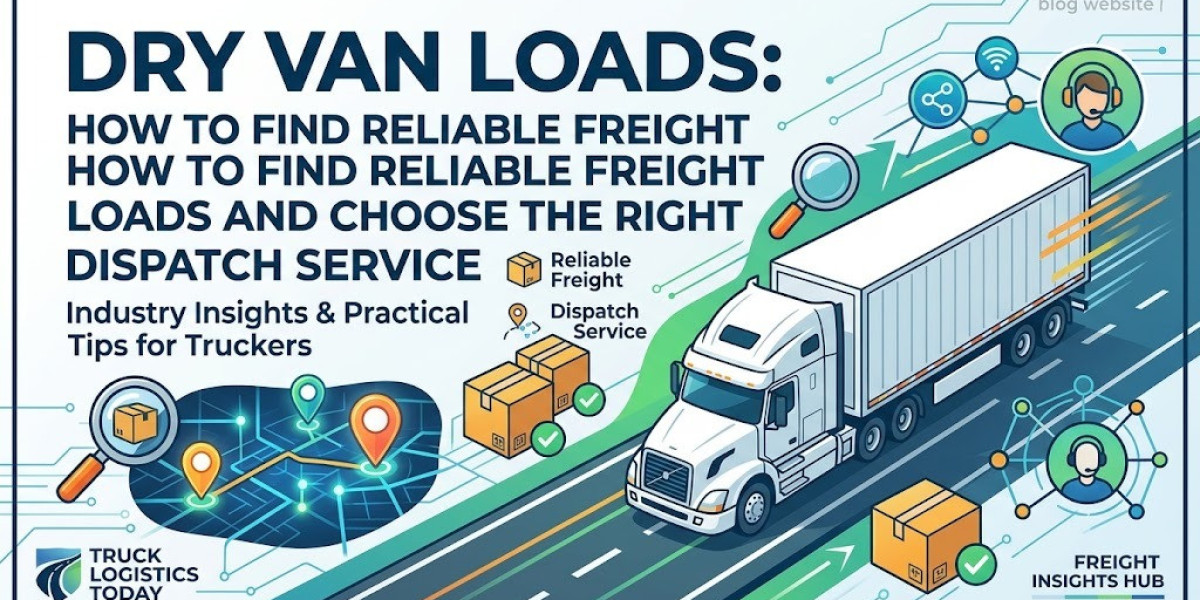

Dry van trucking is one of the most widely used methods of transporting freight across the United States. From packaged food and retail products to electronics, household goods, and manufactured products, thousands of shipments move through the dry van freight network every day. For carriers and owner-operators, finding consistent dry van loads is essential for keeping a truck moving and maintaining steady revenue.
However, finding a suitable load is not always as simple as searching for available freight. Carriers need to consider the pickup and delivery locations, rate, mileage, equipment requirements, broker information, appointment times, and the possibility of finding another profitable load after delivery. This is where professional load planning and a reliable dry van dispatch service can make a significant difference.
What Are Dry Van Loads?
Dry van loads are shipments transported inside an enclosed trailer, commonly known as a dry van trailer. The enclosed design protects freight from weather, road debris, and other outside conditions.
Unlike refrigerated trailers, dry vans do not provide temperature-controlled transportation. They are generally used for non-perishable and non-temperature-sensitive products.
Common dry van freight includes:
- Packaged consumer goods
- Clothing and textiles
- Furniture
- Electronics
- Building materials
- Paper products
- Retail merchandise
- Non-perishable food products
- Automotive components
- General manufactured goods
Because dry van trailers can transport a wide range of products, carriers can access a broad freight market throughout different regions of the country.
Where Can Carriers Find Dry Van Freight Loads?
Finding profitable freight requires more than simply accepting the first available shipment. Carriers typically use load boards, broker relationships, shipper connections, and dispatch support to identify opportunities.
When evaluating dry van freight loads, carriers should look at the complete trip rather than focusing only on the advertised rate. A load with a high gross rate may not be profitable if it requires excessive deadhead miles, difficult delivery scheduling, or leaves the truck in an area with limited outbound freight.
Important factors to consider include:
Pickup and Delivery Locations
The lane can have a major effect on profitability. A carrier should consider whether there are additional loads available near the delivery location before accepting the shipment.
Rate and Total Mileage
The advertised rate should be evaluated against loaded miles, deadhead miles, fuel costs, tolls, and other operating expenses. Looking at the overall trip helps carriers make better decisions.
Broker and Shipper Information
Checking broker details, payment terms, load requirements, and available information before accepting a shipment can help reduce avoidable problems.
Schedule Requirements
Pickup and delivery appointments should fit the driver's available hours and planned route. Tight schedules can create unnecessary pressure and increase the risk of delays.
How a Dry Van Dispatch Service Can Help
Managing freight can take considerable time, especially for owner-operators who also need to focus on driving, equipment maintenance, paperwork, and compliance.
A dry van dispatch service can assist carriers with important parts of the load-finding and booking process. Depending on the service arrangement, a dispatcher may search for available freight, evaluate load details, communicate with brokers, negotiate rates, and help organize the driver's schedule.
The goal is not simply to book more loads. Effective dispatching focuses on finding freight that makes sense for the carrier's equipment, preferred lanes, schedule, and business objectives.
For example, a carrier may prefer specific states or regional lanes because they provide better opportunities for the next load. A dispatcher can take those preferences into account when searching for available freight.
Benefits of Professional Dry Van Dispatching
Working with an experienced dispatcher can provide several practical benefits for owner-operators and small fleets.
More time for driving: Instead of spending hours searching load boards and communicating with brokers, drivers can focus more on transportation and delivery.
Better load planning: Dispatch support can help organize shipments around preferred lanes, mileage, and delivery schedules.
Rate negotiation: Experienced dispatchers understand common freight-market factors and can communicate with brokers when negotiating load rates.
Reduced deadhead: Strategic load selection can help reduce unnecessary empty miles between shipments.
Consistent communication: Dispatchers can stay in contact with brokers and help coordinate pickup and delivery information.
The right dispatch relationship should be based on clear communication and an understanding of the carrier's individual business needs.
Choosing the Right Dry Van Loads for Your Business
Not every available shipment is the right shipment. Before accepting a load, carriers should consider the complete financial and operational picture.
Ask questions such as:
- How many total miles are involved?
- What is the rate per mile?
- How much deadhead is required?
- Is the pickup schedule realistic?
- What freight is being transported?
- Where will the truck be after delivery?
- Are there strong reload opportunities in that area?
- Are the broker's terms acceptable?
Looking at these factors together can help carriers avoid decisions based solely on the gross load rate.
Build a Smarter Dry Van Freight Strategy
A successful dry van operation depends on consistent planning. Carriers should understand their preferred lanes, operating costs, available driving hours, and revenue targets. Keeping these factors in mind makes it easier to identify freight that fits the business.
Whether a carrier finds freight independently or works with a dry van dispatch service, the objective should remain the same: keep the truck moving with practical, well-planned loads while avoiding unnecessary miles and scheduling problems.
For owner-operators and small fleets, a structured approach to dry van loads can make freight management more organized and help create a more predictable operating routine.
Frequently Asked Questions
What are dry van loads?
Dry van loads are shipments transported inside enclosed, non-refrigerated trailers. They commonly include general freight such as retail products, packaged goods, furniture, electronics, and manufactured items.
How do I find dry van freight loads?
Carriers can find freight through load boards, broker relationships, direct shipper connections, and dispatch services. Comparing rates, mileage, lanes, and delivery requirements is important before accepting a shipment.
What does a dry van dispatch service do?
A dry van dispatch service can help carriers search for freight, review load information, communicate with brokers, negotiate rates, and coordinate shipments according to the carrier's preferences.
Are dry van loads profitable?
Profitability depends on factors such as the freight rate, total mileage, deadhead, fuel costs, operating expenses, and reload opportunities. A high-paying load is not necessarily profitable if the overall trip has excessive costs.
What freight can a dry van trailer carry?
Dry vans can transport many types of non-temperature-sensitive freight, including packaged consumer products, furniture, clothing, electronics, paper products, building materials, and other general merchandise.
Why should owner-operators consider dispatch support?
Dispatch support can save time by handling parts of the freight-search and booking process. It can also help with load planning, broker communication, rate discussions, and reducing unnecessary empty miles.