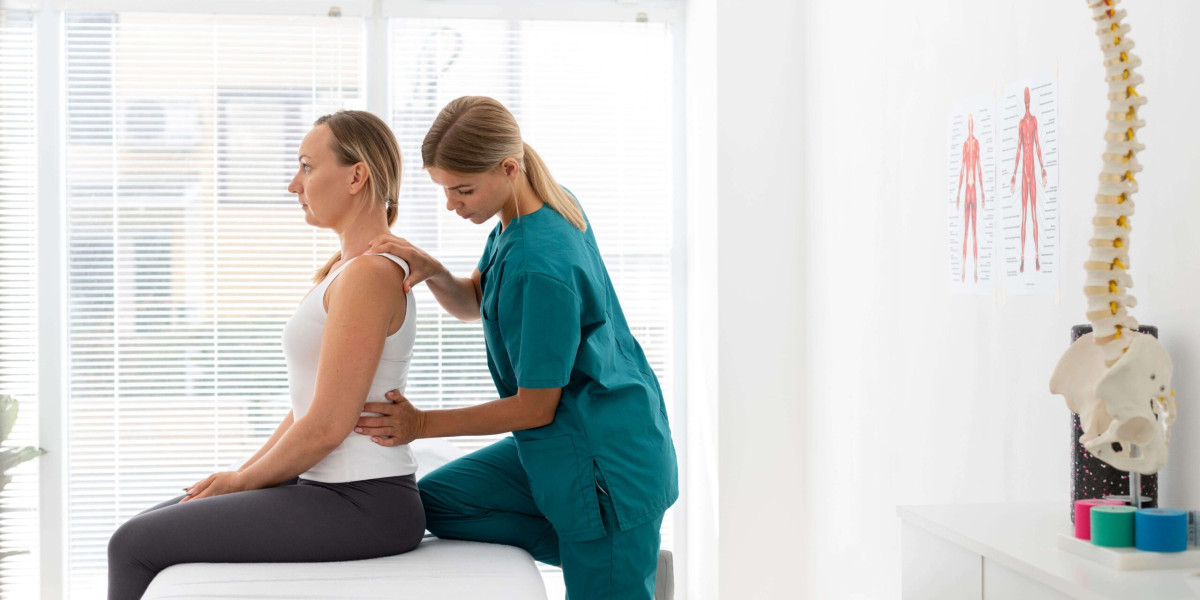

Professional spinal care attracts patients from remarkably diverse backgrounds and for an equally diverse range of reasons. Back pain is the most widely known indication, but it represents only a fraction of what brings people through the clinic door. Athletes seek performance enhancement and injury prevention. Office workers seek relief from posture-related dysfunction. Seniors seek maintenance of mobility and independence. Each of these individuals finds genuine value in the targeted, non-invasive approach that professional spinal care offers.
Understanding the common reasons people seek spinal care helps potential patients recognize whether it might be appropriate for their own situation. It also reveals the breadth of conditions and goals that skilled spinal care practitioners address. The scope of this profession is far wider than public perception typically acknowledges. Exploring these common presentations reveals a practice that touches virtually every dimension of physical health and wellbeing.
Back Pain Across Its Many Forms
Back pain remains the single most common reason people seek professional spinal care. Globally, it is one of the leading causes of disability and work absence. The structural causes of back pain are varied, and accurate identification is essential for effective treatment. Disc herniation, facet joint syndrome, muscle strain, vertebral subluxation, and sacroiliac joint dysfunction each require specific interventions. A thorough assessment is the necessary first step before any treatment is applied.
Many back pain patients arrive after attempting to self-manage with rest and over-the-counter medication. These approaches provide temporary relief but do not correct the underlying structural dysfunction. Pain returns predictably when the medication wears off or activity resumes. Professional spinal care addresses the structural cause of the pain rather than masking its perception. This fundamental difference explains why professional care produces more durable outcomes than passive self-management.
Chronic back pain, defined as pain persisting beyond three months, is a particularly significant reason for seeking professional care. Chronic presentations involve both structural dysfunction and neurological sensitization. Effective management requires addressing both dimensions simultaneously. Manual care corrects the mechanical contributors while exercise and rehabilitation address the neuromuscular consequences. Patients with chronic back pain who commit to structured professional care achieve outcomes that other approaches rarely provide.
Disc-Related Pain and Nerve Compression
Disc herniation with nerve root compression brings many patients to spinal care practitioners. The resulting radiating pain, numbness, and weakness are highly distressing and functionally limiting. Conservative care for disc herniation is well-supported by evidence and often avoids the need for surgical intervention. Flexion-distraction technique, lumbar manipulation, and neural mobilization are among the effective conservative tools available. Many patients who enter care expecting surgery leave having achieved full resolution through conservative means.
Neck Pain and Cervical Dysfunction
Neck pain is the second most common presenting complaint in spinal care settings. The digital lifestyle that dominates modern work and leisure is a primary driver. Hours of smartphone and computer use maintain the cervical spine in sustained forward flexion. This position compresses the anterior cervical structures and chronically overloads the posterior ones. Over time, these stresses produce disc degeneration, facet joint irritation, and persistent muscular tension.
Cervical care restores the natural alignment and mobility that modern lifestyle habits erode. Targeted adjustments to restricted cervical segments reduce nerve root irritation and muscular guarding. Soft tissue therapy addresses the myofascial component of neck pain effectively. Patients typically experience significant improvement in cervical range of motion and pain levels within the first few sessions. Ergonomic guidance provided alongside clinical care reduces the daily accumulation of cervical stress.
Post-accident neck pain and whiplash injuries are another common reason for seeking professional cervical care. Even relatively minor vehicle accidents can produce significant cervical ligament and disc strain. Without early professional care, these injuries frequently progress to chronic pain and dysfunction. Prompt conservative intervention prevents the establishment of chronic patterns and significantly accelerates recovery. Patients who receive early professional care after neck injuries consistently achieve better long-term outcomes.
Headaches and Migraine Management
Headaches bring a growing number of patients to spinal care practitioners. The recognition that many headaches have a cervicogenic origin has expanded the role of spinal care in headache management. Upper cervical joint dysfunction produces headaches that radiate from the base of the skull forward. These are frequently misidentified as tension headaches or migraines and treated with medication that provides only temporary relief. Correctly identifying and treating the cervical source produces lasting headache reduction that medication alone cannot achieve.
Tension headaches driven by muscular trigger points in the cervical and upper thoracic region are extremely common. The suboccipital, upper trapezius, and sternocleidomastoid muscles are the most frequent contributors. Professional spinal care combined with soft tissue trigger point therapy addresses these muscular contributors directly. Many patients achieve dramatic headache frequency reductions within their first several weeks of care. This result, achieved without medication, is both clinically significant and deeply valued by patients.
Postural Problems and Their Consequences
Postural dysfunction has become one of the fastest-growing reasons for seeking professional spinal care. Increased awareness of how posture affects long-term health has driven many patients to seek correction proactively. Forward head posture, thoracic hyperkyphosis, and anterior pelvic tilt are among the most prevalent patterns. These deviations create chronic mechanical stress that accumulates into pain, restricted movement, and structural degeneration.
Professional spinal care addresses postural dysfunction through structural correction and muscular rebalancing. Vertebral misalignments that have adapted to poor postural positions must be specifically corrected through skilled manual techniques. Muscles shortened by habitual postural positions must be released through soft tissue therapy. Muscles weakened by disuse must be strengthened through progressive exercise. This multi-layered approach produces postural improvements that are both visible and functionally meaningful.
Ergonomic concerns frequently accompany postural presentations. Patients whose work requires prolonged static postures develop occupation-specific patterns of dysfunction. A practitioner who understands ergonomics provides guidance that reduces the daily accumulation of postural stress. This guidance, combined with clinical care, creates lasting postural improvement that self-directed approaches rarely achieve. The combination of structural correction and environmental modification is the most effective postural care strategy.
Sports Injuries and Performance Optimization
Athletes represent a significant and growing proportion of professional spinal care patients. Their reasons for seeking care span both injury management and performance optimization. Sports injuries including spinal strain, disc injuries, and extremity joint problems all respond well to conservative spinal care. The biomechanical expertise of skilled practitioners allows them to identify and address the movement-related causes of sports injuries. This addresses both the injury itself and the conditions that created it.
Performance optimization is an equally compelling reason for athletes to seek professional spinal care. Optimal spinal alignment allows force to be generated and transferred efficiently throughout the kinetic chain. Thoracic mobility supports rotational power in throwing, swinging, and striking sports. Hip and lumbar alignment supports running economy and lower body power generation. Regular spinal care maintains the structural alignment that peak athletic performance demands.
Regular chiropractic treatment for athletic populations addresses both the demands of training and the structural consequences of competition. Practitioners understand the biomechanical requirements of different sports and tailor care accordingly. Pre-competition sessions optimize alignment and prepare the nervous system for peak performance. Post-competition sessions address the structural stress accumulated during competitive activity. This periodized approach to spinal care is an increasingly standard component of elite athletic performance programs.
Sciatica and Lower Extremity Nerve Pain
Sciatica is a highly distressing condition that brings many patients to seek professional spinal care urgently. The radiating pain, numbness, and weakness that characterize sciatica significantly limit daily function. Patients who have lived with these symptoms for weeks or months are often desperate for effective, non-surgical care. Conservative spinal care provides this through targeted techniques including lumbar manipulation, flexion-distraction, and neural mobilization. The majority of sciatica patients achieve significant improvement without surgical intervention when care is initiated promptly.
Preventive and Wellness Care
An increasingly health-conscious segment of the population seeks professional spinal care for prevention rather than treatment. These patients understand that structural dysfunction develops before pain appears. They choose regular assessment and correction to maintain optimal spinal health proactively. Monthly or quarterly maintenance visits identify and address emerging restrictions before they become symptomatic. This preventive approach reflects a mature understanding of long-term health maintenance.
Workplace wellness programs increasingly include spinal care as a component. Employers recognize that musculoskeletal conditions are a leading cause of absenteeism and reduced productivity. Regular preventive spinal care reduces the frequency and severity of work-related musculoskeletal complaints. Workers who receive regular professional care experience fewer lost workdays and faster recovery from episodic complaints. The return on investment in preventive spinal care is well-documented and financially compelling.
Conclusion
The reasons people seek professional spinal care are as diverse as the patients themselves. Back pain, neck pain, headaches, postural dysfunction, sports injuries, sciatica, and prevention are among the most common. Each of these reasons connects to structural and neurological dysfunction that professional spinal care is uniquely equipped to address. The breadth and depth of what this approach offers continues to expand as research advances and public awareness grows. Whatever your reason for considering professional spinal care, a thorough assessment is the most important first step toward effective and lasting improvement.