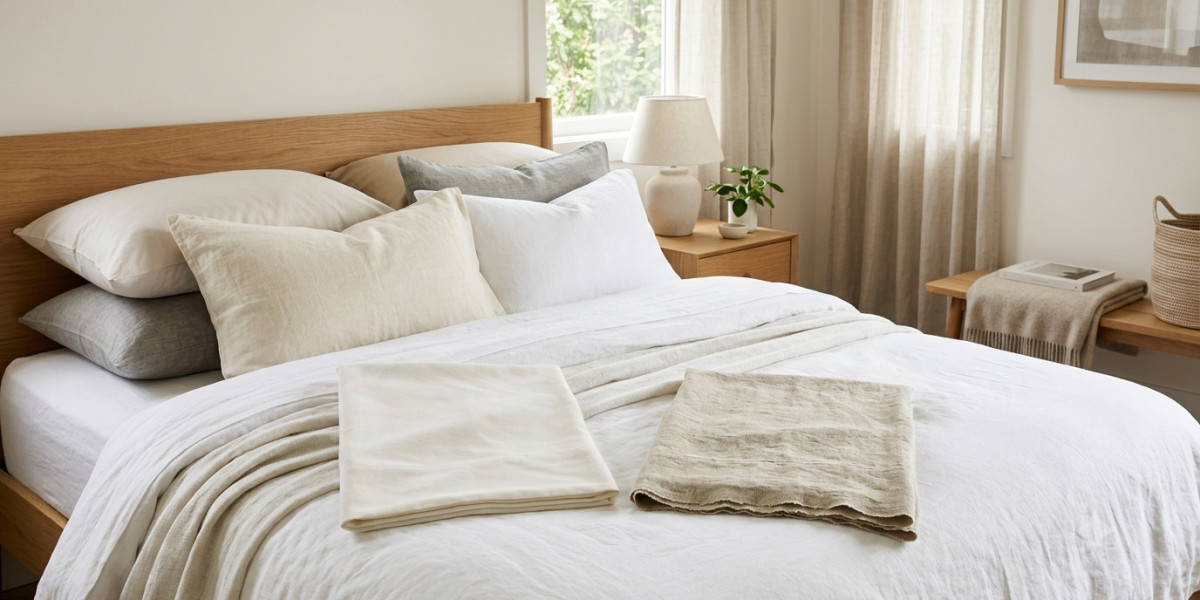

Pillowcases are a small part of your bedding, but they can make a noticeable difference in everyday comfort and bedroom style. Since pillowcases sit directly against your face and head for several hours each night, factors such as fabric, breathability, softness, fit, and maintenance are worth considering before making a purchase.
The right pillowcase should complement your pillow while also working well with your sheets, blankets, and overall bedroom décor. Whether you prefer classic cotton, naturally textured linen, or a combination of materials, understanding your options can make shopping much easier.
Why Choosing the Right Pillowcase Matters
A pillowcase does more than protect a pillow from everyday use. It is also an important part of your bedding setup and can influence how comfortable your bed feels.
Comfort: The fabric's texture matters when you spend several hours with your head against it. Soft, well-finished fabrics can provide a more comfortable sleeping surface.
Breathability: Breathable pillowcases can be particularly useful for people who prefer bedding that does not feel overly warm. Natural fabrics such as cotton and linen are popular choices because of their breathable characteristics.
Skin and hair comfort: The texture and construction of a pillowcase can affect how it feels against your skin and hair. However, individual preferences vary, so choosing a fabric that feels comfortable to you is the most important consideration.
Temperature regulation: Fabric weight and construction can affect how warm or cool bedding feels. Lightweight cotton and linen are commonly chosen for their airy feel, while denser cotton constructions may feel more substantial.
Bedroom aesthetics: Pillowcases contribute to the overall appearance of a bed. Coordinating colors, patterns, and textures with your sheets can create a more polished bedroom.
Durability: Since pillowcases are washed regularly, quality construction and suitable fabric can help them withstand repeated everyday use.
Understand Different Pillowcase Materials
The material you choose is one of the most important decisions when shopping for pillowcases. Different fabrics have different textures, appearances, and care requirements.
Cotton
Cotton pillowcases are a popular everyday option because they are comfortable, versatile, and available in many weights, colors, and weaves. Cotton can work well across different seasons, making it a practical choice for regular bedding.
When shopping for cotton, consider the fabric's quality, weave, weight, stitching, and care instructions rather than focusing on a single specification.
Linen
Linen has a distinctive natural texture and relaxed appearance. Linen pillowcases are valued for their breathable feel and are particularly appealing to people who prefer a more natural, casual bedroom aesthetic.
Linen can also become softer with use and washing, although its characteristic texture may feel different from smooth cotton.
Cotton-Linen Blends
Cotton-linen blends combine characteristics of both fabrics. Depending on the specific blend and construction, they can offer a balance of cotton's familiar softness with some of linen's natural texture and breathability.
These blends can be a practical option if you want something between traditional cotton and pure linen.
Sateen and Similar Cotton Weaves
Sateen is a type of cotton weave known for its smoother surface and subtle sheen. It can provide a different look and feel from traditional cotton weaves.
The choice between weaves ultimately comes down to personal preference, desired appearance, and how you want your bedding to feel.
What Makes Good Pillow Cases?
When evaluating good pillow cases, look beyond appearance. A pillowcase may look attractive in a photograph but still not be the right choice for everyday use.
Start with fabric quality. Look for material that feels appropriate for your preferences and intended use.
Breathability is another important factor, particularly if you prefer lightweight bedding. Fabric construction and weight can influence how airy the pillowcase feels.
Softness is subjective, so consider whether you prefer a smooth finish or the natural texture of linen.
Durability matters because pillowcases are washed frequently. Strong stitching, neatly finished seams, and quality construction can contribute to longer-lasting bedding.
Fit is equally important. A pillowcase that is too small can be difficult to put on, while an oversized case may look loose and untidy.
Finally, consider easy care. Before buying, check washing and drying instructions to make sure the fabric fits your regular laundry routine.
Pillowcase Covers vs. Pillowcases
The terms pillowcase, pillow cover, and decorative pillow cover are sometimes used interchangeably, but they can refer to different products.
A pillowcase is generally designed to cover the pillow you use for sleeping. It is typically made from bedding fabrics such as cotton or linen and is intended for regular washing.
Pillowcase covers can sometimes refer to protective or decorative coverings, depending on the retailer or product description. Before purchasing, check the product dimensions, closure style, and intended purpose.
The phrase pillow cases covers may also appear in online searches when shoppers are looking for pillow coverings. Because terminology varies between retailers, always read the product description carefully rather than relying on the product name alone.
Decorative pillow covers are generally intended for accent pillows and may feature designs, embellishments, or heavier fabrics that are not necessarily intended for everyday sleeping.
Choosing Between Cotton and Linen Pillowcases
Cotton and linen are two popular natural-fiber choices, but they offer noticeably different experiences.
Cotton generally has a familiar soft feel and comes in a wide range of weaves and finishes. It is easy to coordinate with existing bedding and is available in numerous colors and patterns.
Linen has a more textured, relaxed appearance and is known for its breathable character. Its natural look works particularly well in minimalist, rustic, coastal, and contemporary bedrooms.
Maintenance is another consideration. Cotton is available in many easy-care varieties, while linen may require more attention to washing and drying instructions depending on its construction.
If you prefer a smooth and familiar sleeping surface, cotton may be the better starting point. If you like natural texture and a relaxed appearance, linen may suit your preferences.
Should You Buy a Pillowcase Set?
Buying a pillowcase set can be convenient, especially when you have multiple pillows on your bed.
A matching set makes it easier to coordinate pillowcases with sheets and other bedding. It can also provide replacement pillowcases, which is useful when one set is being washed.
For bedrooms with multiple sleeping pillows, purchasing a set can also create a consistent appearance rather than mixing unrelated colors and fabrics.
When choosing a set, check exactly what is included. Some sets contain two pillowcases, while others may be sold in different quantities. Also verify the dimensions to make sure the cases match your pillows.
For shoppers who want a coordinated natural-fiber look, a cotton pillowcase set or cotton-linen pillowcase set can be worth considering.
How to Choose the Right Pillowcase Size
Correct sizing is essential for both comfort and appearance. Common pillowcase sizes include Standard, Queen, and King, although dimensions can vary between manufacturers and regions.
Before purchasing, measure the pillow itself and compare those measurements with the product specifications.
A properly sized case should fit the pillow without excessive stretching or unnecessary loose fabric. Also check the pillowcase's length and width, as well as the dimensions of any flap or closure.
If you are replacing existing bedding, checking the dimensions of your current pillowcases can provide a useful reference.
How to Match Pillowcases With Your Bedroom Style
Pillowcases are an easy way to change or refine the appearance of a bedroom without replacing all your bedding.
Neutral colors such as white, beige, cream, and soft gray can create a timeless appearance and pair easily with different sheets.
Stripes and subtle patterns can introduce visual interest without overwhelming the rest of the bedding.
For a minimalist bedroom, simple colors and clean designs work well. If you prefer a more natural aesthetic, textured linen and earthy shades can complement wooden furniture and other natural materials.
Try coordinating pillowcases with your sheets rather than making every element identical. A small difference in texture or shade can add depth while keeping the overall bedroom style cohesive.
How to Care for Cotton and Linen Pillowcases
Proper care can help maintain the appearance and feel of your pillowcases.
Always start by checking the manufacturer's care instructions. Different fabrics, finishes, and constructions may have specific washing requirements.
Use the recommended water temperature and avoid excessive heat when washing or drying unless the care label specifically permits it. High heat can affect certain fabrics and may contribute to shrinkage or changes in texture.
Avoid overloading the washing machine, as bedding needs sufficient space to move freely during washing.
For drying, follow the manufacturer's instructions. If air drying is recommended, allow the pillowcases to dry completely before storing them.
Store clean pillowcases in a dry, well-ventilated area. Folding them neatly and keeping matching sets together can also make it easier to organize your bedding.
Finding Quality Pillowcases for Everyday Comfort
Once you understand materials, sizes, construction, and care requirements, comparing products becomes much easier. Look for pillowcases that match your practical needs rather than choosing based solely on appearance.
Brands such as All Cotton and Linen offer a range of cotton and linen pillowcase options, making it easier for shoppers to compare materials, styles, and sizes in one place. Depending on your bedding setup, you can explore options such as [cotton pillowcases], [linen pillowcases], and [cotton-linen pillowcase sets] as potential internal-link destinations.
When comparing products, pay attention to fabric composition, dimensions, closure style, available colors, care instructions, and construction details. These small details can make a difference in how useful the pillowcases are over time.
Conclusion
Choosing the right pillowcase comes down to finding the right balance between material, size, comfort, durability, style, and maintenance. Cotton is a versatile everyday choice, while linen offers a distinctive natural texture and breathable feel. Blended fabrics can provide a middle ground for shoppers who want characteristics of both.
Always check pillow dimensions before buying, consider how the fabric fits into your bedroom style, and select a construction that can handle regular washing. Whether you need individual cases or a coordinated pillowcase set, thoughtful selection can help create bedding that looks good and feels comfortable every day.
For shoppers comparing natural-fiber bedding, All Cotton and Linen provides another place to explore different cotton and linen options and find pillowcases suited to individual preferences and bedroom styles.