
A villa has many rooms, doors, windows, lights, and electrical devices to manage. Home Automation can bring some of these functions together so they can be controlled more easily. The useful features depend on the size of the villa, the needs of the people living there, and the devices already installed. A simple system can focus on daily comfort, while a larger setup can connect lighting, security, climate control, entertainment, and other home functions.
Smart Lighting Control
Lighting is one of the easiest areas to automate in a villa. Instead of turning each light on or off separately, residents can control several lights from a phone, wall panel, remote, or voice device.
Lights can also be arranged into different scenes. For example, one setting can turn on selected lights for an evening, while another can reduce the lights when the family is preparing for sleep. Motion sensors can also switch lights on when someone enters a selected area.
This can be useful in hallways, staircases, bedrooms, outdoor areas, and other parts of a large villa where lights may otherwise remain on unnecessarily.
Temperature and Climate Control
Villas often have several rooms that may need different temperature settings. A smart climate control system can help residents manage these areas without changing every thermostat manually.
Temperature settings can be adjusted based on the time of day, room use, or personal preference. For example, bedrooms can have one setting at night while living areas follow another schedule.
Sensors can also provide information about room temperature. This gives residents better control over indoor comfort and can help them avoid running cooling systems when they are not needed.
Smart Security Features
Security is another important area for villa automation. A connected system can bring different security devices together so residents can monitor their property more easily.
Door sensors can show whether selected doors are open or closed. Motion sensors can detect activity in specific areas. Smart locks can provide controlled access without requiring a traditional key for every entry.
Cameras can also be connected to a central system where supported. Residents may be able to check selected camera feeds through a phone or display. The exact features depend on the devices and system used.
Automated Curtains and Blinds
Large villas may have many windows, making manual curtain control difficult. Motorized curtains and blinds can be controlled through switches, remotes, mobile devices, or an automation system.
Curtains can also follow simple schedules. For example, they can open in the morning and close in the evening. Some systems can connect curtain control with lighting or other home functions.
This feature can be especially useful for large windows, high ceilings, bedrooms, living rooms, and areas where curtains are difficult to reach manually.
Door and Access Control
Access control can make entry management easier in a villa. Depending on the system, residents may use smart locks, access codes, mobile devices, or other approved methods.
Some systems can also provide information about entry activity. This can help residents understand when a door was accessed and manage access for family members, guests, or service workers.
It is important to select an access system that matches the doors, locks, and security requirements of the property.
Voice and Central Control
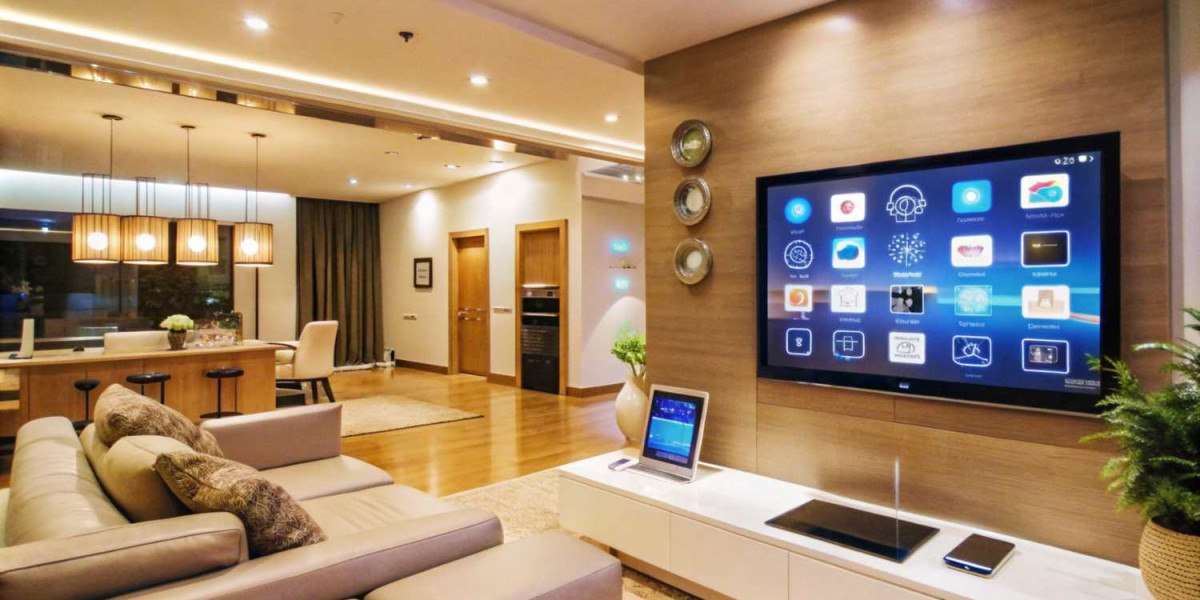
A villa may contain many smart devices from different areas of the home. A central control system can make these devices easier to manage.
For example, residents may use one interface to control lights, curtains, temperature, and selected entertainment devices. Voice control can also be useful for simple commands, such as changing lights or adjusting certain settings.
A central control method can reduce the need to use separate remotes or applications for every device.
Smart Entertainment Control
Home entertainment can also be connected with villa automation. TVs, speakers, projectors, and other supported equipment can be managed from a common control system.
A resident could create a simple setting for watching a movie that adjusts selected lights, curtains, and entertainment equipment at the same time. The exact setup depends on the equipment installed in the room.
This type of control can be useful when several devices need to work together rather than being operated separately.
Outdoor Area Automation
Outdoor spaces can also benefit from automation. Garden lighting, pool equipment, gates, outdoor cameras, and selected irrigation systems may be connected depending on the property and equipment.
Outdoor lights can follow a schedule, while gates can be controlled through suitable access systems. Sensors can also provide information about selected outdoor conditions.
These features can be planned according to the villa layout so that only useful functions are automated instead of adding unnecessary controls.
Choosing Features Based on Daily Needs
Not every villa needs every automation feature. It is better to first consider which tasks are repeated often or are difficult to manage manually.
For one villa, lighting and climate control may be the main priorities. Another property may need stronger focus on access control, security monitoring, curtains, or outdoor systems. The number of rooms, existing wiring, internet connection, electrical systems, and future expansion plans can also affect the setup.
When selecting Home Automation features, residents should consider how each feature will be used in normal daily life. Starting with practical functions can make the system easier to understand and manage as more devices are added later.