
The battery is one of the most important parts of any vape device. It provides the power needed to heat the coil and turn e-liquid into vapour. Whether you use a compact pod kit with a built-in battery or a larger device with removable cells, understanding how your battery works can help you get more consistent performance and use your device more responsibly.
Good battery care is also important for extending its usable life. Charging habits, storage conditions, the type of battery you use and the condition of the battery can all affect performance. This vape battery guide explains the basics of charging, battery lifespan and safety, helping adult vapers understand how to look after their devices properly.
What Is a Vape Battery?
A vape battery is the power source that supplies electricity to the coil and other electronic components inside your device. Most modern vape devices use rechargeable lithium-ion batteries. Depending on the type of vape, the battery may be built into the device or designed to be removed and replaced when required.
Battery capacity is usually measured in milliamp hours, or mAh. Generally, a higher-capacity battery can provide longer use between charges, although actual battery life also depends on factors such as wattage, coil resistance, screen use and how frequently you vape. A larger battery may therefore last longer, but battery capacity is only one part of overall device performance.
Built-In vs Removable Vape Batteries
Built-in batteries are common in pod systems and many compact vape kits. The battery is sealed inside the device, so you simply connect the appropriate charging cable to the charging port when the battery needs power. This design is convenient because there is no need to purchase or handle separate battery cells.
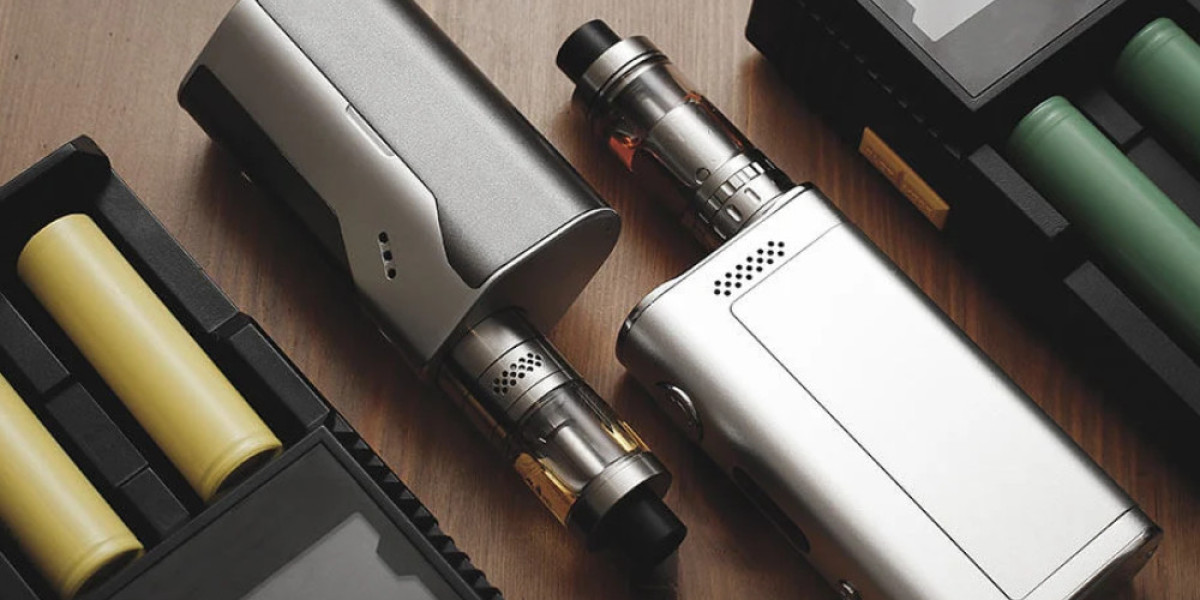
Removable batteries are more common in larger vape mods and some advanced pod devices. Common battery sizes include 18650 and 21700 cells, although the correct battery depends entirely on the device. If your vape uses removable batteries, always follow the manufacturer's specifications rather than choosing a battery based only on its size or capacity.
How to Charge Your Vape Safely
Using the correct charging equipment is one of the most important parts of battery care. For a built-in battery, use the charging cable and charging method recommended by the manufacturer. Place the device on a stable, hard surface while charging and keep it away from excessive heat, liquids and flammable materials.
Avoid leaving a vape charging unattended for long periods or overnight. Even though many modern devices include protective charging features, it is better practice to charge while you are nearby and disconnect the device when charging is complete. If the cable, charging port or device becomes unusually hot or appears damaged, stop using it and follow the manufacturer's safety guidance.
How Long Does a Vape Battery Last?
The lifespan of a vape battery depends on how frequently it is used, how it is charged and the type of device. A battery that is heavily used every day will naturally experience more charging cycles than one used occasionally. Over time, rechargeable lithium-ion batteries gradually lose capacity, meaning they may not hold as much charge as when they were new.
There is no exact lifespan that applies to every vape battery. If you notice that your device needs charging much more frequently than before, loses power quickly or struggles to maintain normal performance, the battery may be reaching the end of its useful life. With built-in batteries, the device itself may eventually need replacing rather than simply changing the cell.
How to Make Your Vape Battery Last Longer
Simple charging and usage habits can help reduce unnecessary battery wear. Avoid repeatedly running the battery completely flat when you do not need to, and avoid exposing the device to extreme temperatures. Heat in particular can negatively affect battery performance and long-term condition.
You should also keep the charging port and battery contacts clean and free from e-liquid, dust and debris. If you are storing the device for an extended period, keep it somewhere cool, dry and away from direct sunlight. Good storage conditions can help protect the battery and reduce unnecessary deterioration.
Never Use a Damaged Vape Battery
One of the most important safety rules is to inspect removable batteries regularly. If the protective outer wrap is torn, punctured, peeling or otherwise damaged, stop using the battery. The wrap provides electrical insulation around the cell, so damage can create a potential short-circuit risk.
You should also stop using a battery if it becomes swollen, deformed, unusually hot, leaking or otherwise abnormal. Do not attempt to repair a damaged battery yourself. Replace it with a compatible battery from a reputable source and dispose of the damaged cell through an appropriate battery recycling route.
How to Store Removable Vape Batteries
Removable batteries should never be carried loose in a pocket, handbag or drawer where they can come into contact with keys, coins or other metal objects. Contact with conductive materials can create a short circuit. Instead, use a suitable protective battery case whenever spare cells are being transported or stored.
Store batteries in a dry place at a moderate temperature and keep them away from direct sunlight, water and sources of heat. Never store loose cells alongside other metal objects. Taking a few seconds to use a proper battery case can significantly reduce avoidable risks associated with transporting removable lithium-ion cells.
Using Batteries in Dual-Battery Devices
Some larger vape mods use two removable batteries at the same time. These devices require extra care because the batteries work together. It is important to follow the manufacturer's requirements and use compatible cells with the correct specifications for the device.
For devices designed for paired batteries, users should generally keep the same batteries together throughout their use. This means using cells of the same type and model, charging them together and replacing them together when required. Do not mix an old battery with a significantly newer one in a setup designed for matched cells.
Choose the Correct Battery for Your Device
Not every vape battery is suitable for every vape. Removable cells can differ in size, capacity and discharge characteristics, so choosing a battery simply because it fits physically is not enough. Your device's manual should specify the battery type and requirements that should be followed.
This is particularly important for higher-powered devices because battery specifications can affect how safely the device operates. If you are unsure which battery your vape requires, check the manufacturer's instructions or ask a knowledgeable retailer before purchasing. Avoid using unknown, counterfeit or visibly damaged batteries.
Avoid Extreme Temperatures
Temperature can have a noticeable effect on battery performance and condition. Leaving a vape in direct sunlight, inside a hot car or next to a radiator can expose the battery to excessive heat. Very cold conditions can also affect battery performance, so avoid leaving your device outside or in an unsuitable environment for extended periods.
If your device becomes unusually hot during normal use or charging, allow it to cool and investigate the cause before continuing. Do not cover a charging device with clothing, bedding or other materials that could restrict heat dissipation. A clear, stable and ventilated surface is a better location for charging.
Keep Your Charging Port Clean
A charging port can collect dust, pocket lint or small amounts of e-liquid over time. Build-up around the connection can prevent the cable from making proper contact and may result in inconsistent charging. Keeping the area clean can help maintain reliable charging performance.
If you notice that your vape repeatedly disconnects while charging, inspect the cable and charging port. Follow the manufacturer's cleaning instructions and avoid inserting metal objects into the port. If the port is damaged, loose or contaminated with e-liquid, professional assistance or device replacement may be safer than attempting an improvised repair.
Battery Care for Everyday Vaping
Good battery care does not have to be complicated. Develop a few simple habits: use the correct charger, avoid overnight charging, keep your device away from excessive heat and check removable batteries for damage. These small steps can help you maintain better battery performance while reducing avoidable problems.
It is also useful to pay attention to changes in your device. If the battery suddenly drains much faster, becomes unusually hot or stops charging normally, do not ignore the change. When looking for general vaping information, resources such as Vaping Vogue can also help adult vapers understand different devices, e-liquids and vaping accessories before making a decision.
When Should You Replace a Vape Battery?
A battery should be replaced when it can no longer provide reliable performance or shows signs of physical damage. Reduced capacity, noticeably shorter time between charges and abnormal heat can indicate that a battery is approaching the end of its useful life. For removable batteries, visible damage to the wrap or cell is another clear reason to stop using it.
Never continue using a battery simply because it still works if it has become damaged. Battery safety should take priority over getting a few more days of use from an old cell. Follow local guidance for recycling or disposing of rechargeable batteries rather than placing them in ordinary household waste.
Conclusion
Understanding how to charge, store and maintain your vape battery can make a significant difference to its performance and lifespan. Whether your device has an integrated battery or removable cells, use the correct charging equipment, avoid extreme temperatures and never ignore signs of damage.
For removable batteries, use a protective case and make sure the cells are compatible with your device. For built-in batteries, follow the manufacturer's charging instructions and avoid leaving the device unattended while charging. With sensible everyday habits and regular checks, you can look after your vape battery more effectively and reduce avoidable battery-related problems.