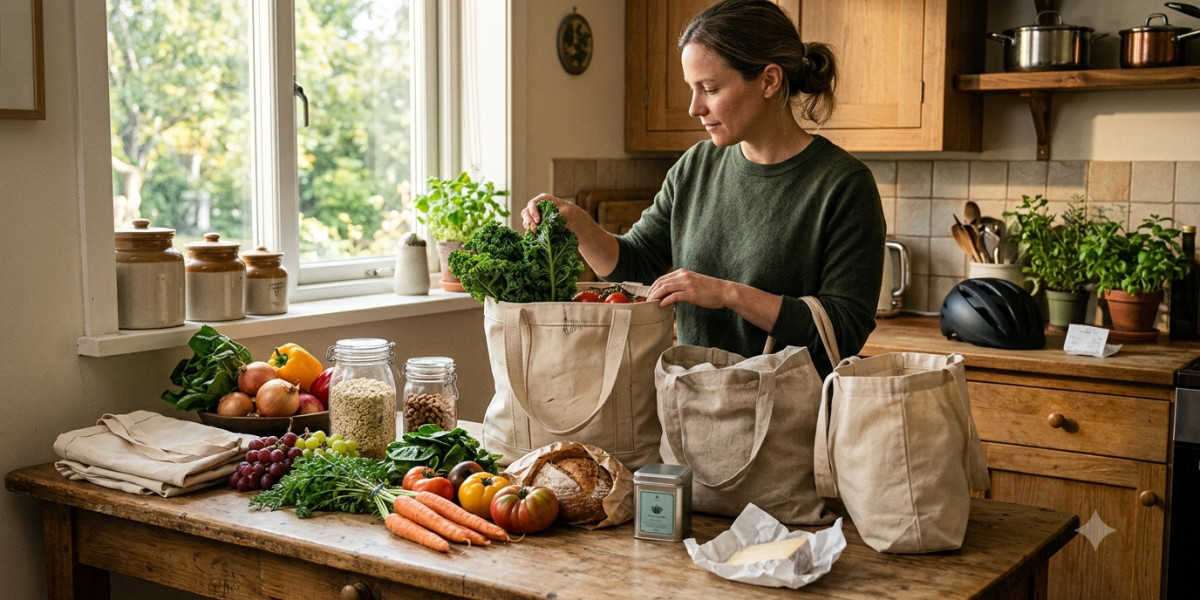

A well-designed reusable bag should be comfortable to carry, strong enough for different types of groceries, easy to clean, and simple to store between shopping trips.
With so many options available, shoppers may wonder what actually makes the best grocery bags reusable for regular use. The answer depends less on appearance and more on practical details such as fabric, construction, capacity, handles, maintenance, and how the bag fits into an individual's shopping routine.
Reusable bags can also support more consistent shopping habits by giving shoppers an option they can use repeatedly instead of relying on disposable bags for every trip. However, choosing a reusable bag should be based on realistic use rather than simply purchasing a bag because it is marketed as environmentally friendly.
What Should You Look for in a Reusable Grocery Bag?
The ideal reusable grocery bag should be able to handle everyday demands without becoming difficult to carry or maintain. Before buying one, consider the following characteristics.
1. Strong and Reliable Construction
Groceries can become surprisingly heavy. Bottles, canned foods, jars, and packaged household products can place considerable weight on a bag and its handles.
Look for secure stitching around the handles and seams. Reinforced areas are particularly useful when the bag is intended for heavier shopping.
A durable grocery bag does not necessarily have to be extremely thick. The quality of construction and suitability of the fabric for its intended purpose are equally important.
2. Practical Capacity
A bag that is too small may require several trips from the store to the car or home. On the other hand, a very large bag can become uncomfortable when filled to capacity.
Think about the amount of shopping you normally purchase. Someone making short, frequent trips may prefer lightweight medium-sized bags, while a household completing a large weekly shop may benefit from larger reusable grocery totes.
3. Comfortable Handles
Handle design is often overlooked until a bag is full.
Wide or appropriately sized handles can make carrying more comfortable. Longer handles may allow the bag to be carried over the shoulder, while shorter handles can work well for hand carrying.
Pay attention to how the handles are attached. Strong fabric does not help much if the handle stitching is weak.
How to Choose the Best Reusable Bags for Groceries
The best reusable bags for groceries are the ones that suit your personal shopping habits. Instead of focusing on one universal bag design, consider where and how you shop.
If you walk home from the grocery store, weight and carrying comfort may be especially important. If you drive, storage capacity and the ability to keep several bags in the vehicle may matter more.
For people who shop at farmers' markets, flexible fabric bags can be particularly convenient because they can accommodate differently shaped products.
Think About What You Usually Buy
Your regular grocery list can help determine the appropriate bag.
For example:
Produce requires bags that are easy to handle and clean.
Bottles and jars require sturdy construction.
Bread and packaged foods benefit from a spacious interior.
Small shopping trips may only require lightweight totes.
Large shopping trips may require multiple larger bags.
Having several reusable bags with different capacities can sometimes be more practical than expecting one bag to handle every situation.
Why Reusable Fabric Shopping Bags Are Practical
Reusable fabric shopping bags have become popular because they can combine flexibility, comfort, and everyday versatility.
Cotton bags, for example, can be lightweight while still offering enough structure for many ordinary shopping tasks. Canvas provides a more substantial construction for shoppers who need additional strength. Linen offers another natural-fabric option with a lightweight and distinctive textile feel.
One advantage of fabric bags is their versatility. A grocery tote does not necessarily have to stay in the kitchen. After shopping, the same bag can be used for books, clothing, farmers' market purchases, or other household errands.
Washable fabric bags can also be useful because grocery shopping occasionally involves spills or crumbs. Following the manufacturer's care instructions can help keep them clean and ready for future use.
Cotton, Linen, Canvas, or Synthetic Materials?
There are several common choices when shopping for reusable bags, and each has different characteristics.
Cotton Bags
Cotton shopping bags are generally soft, flexible, and comfortable to carry. They are suitable for everyday errands and can be available in different weights and sizes.
Linen Bags
Linen is a lightweight natural textile that can work well for shoppers who prefer a less structured fabric bag. Its appearance can also complement a simple, natural home-and-lifestyle aesthetic.
Canvas Bags
Canvas is generally heavier and more structured than lightweight cotton. This makes it useful for shoppers who regularly carry heavier products, although it can take up more storage space.
Synthetic Bags
Synthetic reusable bags can be lightweight and highly foldable. Some designs are particularly convenient to keep in a car, backpack, or handbag for unexpected shopping trips.
There is no need to assume that one material automatically works for everyone. The most appropriate option depends on durability requirements, cleaning preferences, carrying habits, and intended frequency of use.
For shoppers interested in natural textile products, All Cotton and Linen offers cotton and linen products that can complement a practical approach to reusable household and shopping essentials.
Washability Matters for Grocery Bags
Grocery bags can come into contact with many different products, so cleaning should be part of the ownership routine.
Before washing a bag, always check its care instructions. Different fabrics, dyes, linings, and construction methods may require different cleaning approaches.
Some useful maintenance habits include:
Empty the bag after every shopping trip.
Remove crumbs and packaging from the interior.
Clean spills as soon as practical.
Follow the recommended washing instructions.
Allow the bag to dry completely.
Check handles and seams periodically.
Store clean bags in a dry location.
A damp bag should not be folded and stored immediately because trapped moisture can lead to unpleasant odors or other problems.
Easy Storage Makes Reuse More Convenient
One of the simplest ways to encourage regular use is to make reusable bags easy to find.
Foldable bags can be stored in a drawer, cupboard, backpack, or vehicle. Larger fabric totes may need more space but can still be folded or stacked when they are not being used.
A practical habit is to keep a few bags near the place where you normally prepare for shopping. If you drive to the supermarket, storing a selection in the vehicle can also make them easier to remember.
Convenience matters because even a well-made reusable bag is not useful if it is repeatedly left at home.
Everyday Uses Beyond Grocery Shopping
Reusable bags can serve many purposes beyond carrying food from the supermarket.
They can be useful for:
Farmers' market shopping
Bakery visits
Produce shopping
Clothing purchases
Books and stationery
Household supplies
Picnic items
Library visits
Small travel essentials
General household organization
This versatility can make fabric shopping bags useful throughout the week rather than only on grocery day.
How Many Reusable Bags Do You Actually Need?
There is no universal number. The right quantity depends on household size and shopping frequency.
A person who makes small purchases several times a week may need only a few compact bags. A larger household that completes one major weekly shopping trip may find several larger bags more practical.
Instead of collecting large numbers of totes, start with a few bags that meet your actual needs. You can add different sizes later if your shopping routine shows that they would be useful.
Choosing the Best Grocery Bag for Your Routine
The best grocery bag is not necessarily the largest, strongest, or most expensive option. It is the one that fits naturally into your routine.
Before choosing a bag, consider:
How much you normally purchase
Whether you walk, cycle, or drive
Whether you buy heavy products
How much storage space you have
How frequently the bag needs cleaning
Whether you prefer natural or synthetic fabrics
Whether you want one multipurpose bag or several specialized sizes
Thinking about these points can help you avoid choosing a bag that looks useful but does not work well in practice.
Building a Consistent Reusable Shopping Habit
The usefulness of reusable grocery bags comes from repeated use. Keeping bags accessible, cleaning them regularly, and selecting comfortable designs can make them easier to incorporate into everyday errands.
Shoppers interested in best reusable groceries bags should therefore look beyond appearance and consider the complete ownership experience. A bag that is durable, washable, comfortable, appropriately sized, and easy to store is more likely to become a dependable part of a regular shopping routine.
Reusable shopping is also only one part of making more thoughtful purchasing decisions. Choosing products that fit actual needs, maintaining them properly, and using them for as long as practical can all contribute to more mindful consumption habits.
Conclusion
Choosing reusable grocery bags does not have to be complicated. The most important factors are practical ones: fabric quality, construction, carrying capacity, handle comfort, washability, storage, and suitability for everyday use.
Whether you prefer cotton shopping bags, linen totes, canvas designs, or lightweight synthetic options, choose a bag that matches the way you actually shop. A washable, durable, and comfortable reusable bag can become a reliable everyday accessory for groceries, markets, household errands, and much more.
Rather than searching for a single perfect option, focus on finding reusable bags that you will genuinely use, maintain, and carry regularly. That practical approach can make reusable shopping a simple and convenient part of everyday life.