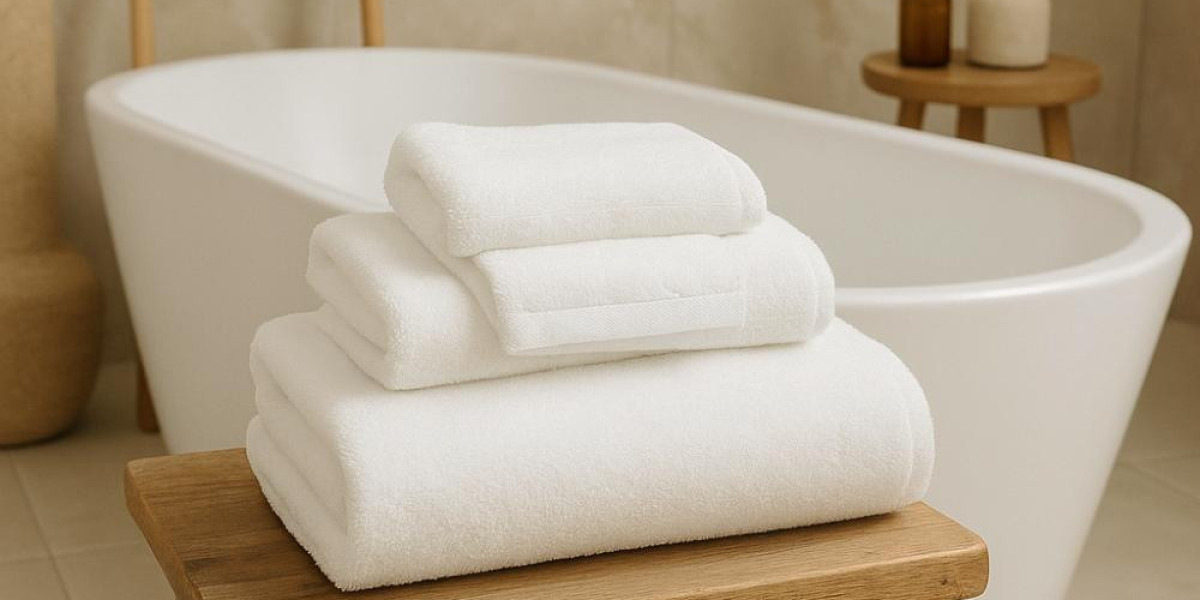

A good bathroom towel needs to do more than simply absorb water. It should feel comfortable against the skin, dry within a reasonable amount of time, hold its shape after repeated washing, and suit the size and style of the bathroom. This is why the material, construction, weight, and dimensions of a towel all deserve attention when shopping.
Turkish cotton towels have become popular because they offer a combination of softness, absorbency, and relatively lightweight construction. However, not every towel marketed as Turkish is made from Turkish cotton. Understanding the difference can help shoppers make a more informed decision.
Whether you are looking for everyday bath towels, larger bath sheets, or a versatile cotton towel, knowing what to check before buying can make the process much easier.
What Makes Turkish Cotton Different?
Turkish cotton refers to cotton traditionally associated with Turkey's textile industry. Depending on the variety and manufacturing process, Turkish cotton can be used to produce towels that balance softness, absorbency, and durability.
One characteristic shoppers often appreciate is that many Turkish-style towels are comparatively lightweight. A lighter construction can make a towel easier to handle and may also allow it to dry more quickly between uses.
It is also important to distinguish Turkish cotton from the phrase "Turkish-style towel." A product described as Turkish-style may use a different cotton source or even a cotton blend. Therefore, shoppers should check the product's fiber composition and specifications rather than relying only on the product name.
What to Look for When Buying a Cotton Towel
The right towel depends on how you plan to use it. Before purchasing, consider several basic characteristics.
Fiber Content
Start by checking the material label. A 100% cotton towel has different characteristics from a cotton-polyester blend. If the product is specifically advertised as Turkish cotton, look for clear information about the cotton composition and manufacturing details.
Weave and Construction
The weave influences the towel's texture, appearance, and performance. Terry towels, for example, use loops that create additional surface area for absorbing moisture. Flat-woven towels have a different feel and are often lighter.
Size
Standard bath towels are convenient for everyday use, while larger bath sheets provide more coverage. Hand towels and washcloths serve different purposes and can complement the main bathroom towel set.
Weight
Towel weight is commonly expressed using GSM, or grams per square metre. It is useful, but it should not be the only factor in your decision.
For shoppers comparing products from established textile retailers such as All Cotton and Linen, looking at fiber content, dimensions, construction, and care instructions alongside GSM provides a more complete picture of what a towel offers.
[Internal Link Suggestion: Cotton Towels]
Turkish Cotton vs. Regular Cotton Towels
The phrase "regular cotton" does not describe one specific type of cotton. Cotton varies according to fiber characteristics, growing conditions, spinning, weaving, finishing, and manufacturing.
For this reason, comparing Turkish cotton with "regular cotton" is not always a simple quality comparison. A well-made towel made from another cotton variety can perform very well, while a poorly constructed towel may not perform as expected regardless of its cotton origin.
When comparing a towel turkish cotton option with another cotton towel, focus on measurable details such as:
- Fiber composition
- Towel dimensions
- GSM
- Weave and construction
- Edge finishing
- Absorbency
- Care requirements
- Expected drying time
These factors provide more useful information than country-of-origin terminology alone.
Turkish Cotton Bath Sheets vs. Standard Bath Towels
Size can make a noticeable difference in everyday comfort.
A standard bath towel is generally easier to store, wash, and handle. It works well for everyday showering and is practical for smaller bathrooms or households with limited storage.
Turkish cotton bath sheets, on the other hand, provide greater coverage. Their larger dimensions can be useful for people who prefer to wrap themselves fully after bathing or want a more spa-like feel at home.
The trade-off is straightforward: larger towels require more storage space and may take longer to wash and dry. If your priority is convenience and quick turnover, a standard bath towel may be more practical. If coverage is more important, a bath sheet may be worth considering.
[Internal Link Suggestion: Bath Towels]
Why Towel GSM Matters
GSM stands for grams per square metre and describes the weight or density of a textile.
In general, a lower-GSM towel tends to feel lighter and can dry relatively quickly. Higher-GSM towels are usually heavier and can feel plusher, although they may require more time to dry.
However, GSM should not be treated as a direct measurement of quality.
A high-GSM towel is not automatically more absorbent or more durable than a lower-GSM towel. Fiber type, yarn, weave, finishing, and construction also influence performance.
For everyday bathrooms, a medium-weight towel can offer a practical balance between comfort, absorbency, and drying time. Heavier towels may appeal to shoppers looking for a plush feel, while lightweight towels can be useful in humid environments or households where frequent drying is important.
Absorbency, Softness, Durability, and Drying Time
The ideal bathroom towel balances several characteristics rather than maximizing just one.
Absorbency: A towel needs to pick up moisture effectively without feeling excessively heavy when wet. Cotton's structure makes it a common choice for absorbent bathroom textiles.
Softness: Softness is affected by fiber, yarn, weave, finishing, and washing. A towel's initial softness may also change after laundering.
Durability: Strong construction, secure edges, and proper care can help a towel withstand repeated washing.
Drying time: A towel that remains damp for long periods can be inconvenient. Lightweight towels often have an advantage here, although drying time also depends on ventilation, humidity, airflow, and how the towel is hung.
The best choice therefore depends on your bathroom environment and daily routine rather than a single specification.
How to Choose the Right Turkish Bathroom Towel
When choosing a turkish bathroom towel, think about how it will actually be used.
For everyday family bathrooms, choose a practical size, moderate weight, and construction that is easy to wash and dry.
For guest bathrooms, appearance and coordination may be more important. Neutral colors and consistent towel sizes can create a clean, organized look.
For larger bathrooms or a more luxurious feel, bath sheets can provide additional coverage. If storage is limited, however, standard bath towels may be easier to manage.
You can also explore specialized collections from textile retailers such as All Cotton and Linen when comparing cotton and Turkish towel options. Looking at product dimensions, material information, and care instructions can help narrow down the choices without relying solely on marketing descriptions.
[Internal Link Suggestion: Turkish Towels]
How to Care for Turkish Cotton Towels
Proper care can help maintain the towel's appearance and performance.
Always check the manufacturer's care label first, because recommended washing temperatures and drying methods can vary.
As a general approach:
- Wash new towels before their first regular use.
- Avoid using excessive detergent, which can leave residue on the fibers.
- Do not overload the washing machine.
- Allow towels to dry thoroughly between uses.
- Follow the care label when using fabric softener.
- Avoid unnecessarily high heat if the manufacturer's instructions recommend lower temperatures.
- Wash towels separately from items that may produce heavy lint or have rough fasteners.
Regular laundering is particularly important for bathroom textiles because they are repeatedly exposed to moisture.
Turkish Towels in Modern Bathrooms
Towels can contribute to a bathroom's overall visual design as well as its functionality.
Neutral shades such as white, beige, grey, and natural tones work well with minimalist interiors. More distinctive colors can add contrast to bathrooms with simple tilework or neutral fixtures.
A coordinated collection of bath towels, hand towels, and washcloths can create a more intentional appearance. Flat-woven or textured designs can also introduce visual interest without requiring major changes to the room.
The key is to select towels that complement the bathroom while still meeting practical requirements for size, absorbency, and drying.
A Simple Buying Checklist
Before purchasing, ask:
- Is the towel made from the fiber composition I want?
- Is it genuinely Turkish cotton or simply Turkish-style?
- What is the GSM?
- What are the exact dimensions?
- Do I need a standard bath towel or a larger bath sheet?
- How important is quick drying?
- Does the weave suit my preferred texture?
- Are the edges and seams properly finished?
- What are the washing and drying instructions?
- Does the retailer provide clear product information?
For shoppers interested in certifications, it is also worth checking whether a product carries a relevant textile certification and verifying the certification where possible. For example, OEKO-TEX STANDARD 100 is a textile safety certification focused on testing for harmful substances; it should not be interpreted as a general guarantee of towel quality or performance.
Conclusion
Choosing the right towel is ultimately about finding a balance between comfort, functionality, size, weight, and maintenance.
Turkish cotton can be an appealing option for shoppers who want soft, absorbent, relatively lightweight bathroom textiles, but the cotton's origin is only one part of the equation. GSM, construction, dimensions, finishing, and care requirements all influence how a towel performs.
Whether you choose a standard bath towel, a large bath sheet, or another type of cotton turkey towel, focus on the specifications that match your routine rather than choosing based on a single marketing claim.
With a little attention to material, weight, size, and construction, it becomes easier to select bathroom towels that look good, feel comfortable, and remain practical through everyday use.