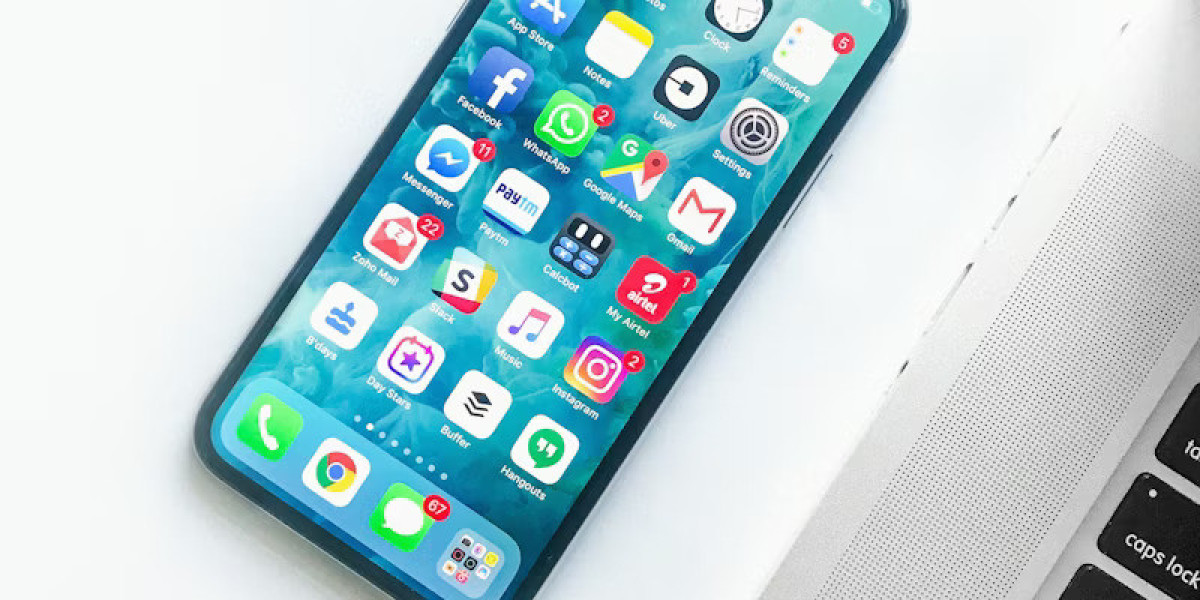

Buying a smartphone does not always mean purchasing the latest model at its original price. With smartphone prices increasing and new models launching frequently, many buyers are choosing second hand mobile phones as a more affordable way to get the features they need. A carefully selected used smartphone can provide excellent performance while helping you save money.
However, buying a second hand mobile requires more attention than buying a new device. From checking the physical condition to verifying battery health and ownership details, several factors can affect the value and reliability of a used phone.
What Is a Second Hand Mobile?
A second hand mobile is a smartphone that has previously been owned or used by another person and is then sold to a new buyer. These phones can be sold directly by individuals, retailers, or online marketplaces.
The condition of a second hand phone can vary significantly. Some devices may look almost new, while others may have visible scratches, dents, or signs of regular use. Therefore, buyers should inspect the phone carefully before completing a purchase.
Unlike professionally refurbished devices, a second hand mobile may not necessarily have undergone technical testing or repairs before being sold. This is why checking the device yourself is particularly important.
Why Buy a Second Hand Mobile?
The biggest advantage of buying a second hand mobile is the potential cost saving. Smartphones often lose a significant portion of their original price after being used for some time. This gives buyers an opportunity to purchase higher-end models at more accessible prices.
For example, someone who cannot afford a premium smartphone when it is new may find the same model available at a lower price after a year or two of use.
Another benefit is the wider selection of models. Buyers can explore previous-generation smartphones that may still offer excellent cameras, processors, displays, storage, and other features.
Check the Physical Condition
Before purchasing a second hand mobile, carefully inspect its physical condition. Look for scratches, cracks, dents, or signs of impact on the body and display.
Pay particular attention to the screen. Check whether the touchscreen responds correctly across all areas and look for dead pixels, unusual lines, discoloration, or display burn-in.
Also inspect the camera lenses, charging port, speaker grills, buttons, SIM tray, and back panel. Small cosmetic marks may not be a major concern, but physical damage can sometimes indicate deeper problems.
Check Battery Health
Battery health is one of the most important factors when buying a used smartphone. Smartphone batteries naturally lose capacity with use, which means an older phone may require charging more frequently.
If the phone provides battery health information, check it before buying. Ask the seller whether the battery has ever been replaced and whether it holds a charge normally.
A phone with good battery performance can provide a much better everyday experience than one that requires frequent charging.
Test All Major Features
Do not purchase a second hand mobile based only on its appearance. Test as many functions as possible before making the payment.
Check the following:
- Front and rear cameras
- Flash
- Microphone
- Speakers
- Wi-Fi and Bluetooth
- Mobile network connectivity
- GPS
- Fingerprint sensor or Face ID
- Charging
- Volume and power buttons
- Touchscreen responsiveness
- SIM functionality
If possible, make a test call and connect the device to Wi-Fi. Testing these features can help identify problems that may not be visible during a quick inspection.
Verify the IMEI Number
Checking the IMEI number is an important step when purchasing a second hand mobile. The IMEI is a unique identification number associated with a mobile device.
Compare the IMEI displayed on the phone with the number shown on its packaging or other available documentation. Buyers should also ensure that the device has not been reported as lost or stolen and that it is not blocked from accessing mobile networks.
Avoid purchasing a phone if the seller cannot provide satisfactory information about its ownership or device identification.
Make Sure the Phone Is Unlocked
Before buying a used smartphone, confirm that it is compatible with your preferred mobile network. Some devices may be locked to a particular carrier or network.
Insert your SIM card and check whether the phone can make calls, send messages, and access mobile data. This simple test can prevent connectivity problems after the purchase.
Check Software and Updates
The phone's software version is another factor worth considering. Older smartphones may no longer receive the latest operating system updates or security patches.
Check the device model and determine whether it still receives software and security updates. A slightly newer second hand mobile may offer better long-term value than an older model with limited software support.
Also make sure that the previous owner's accounts have been removed and that the device has been properly reset before you take ownership.
Compare Prices Before Buying
Do not make a purchase based on the seller's asking price alone. Compare the price of the same model across different sellers and marketplaces.
Consider factors such as storage capacity, physical condition, battery health, accessories, warranty, and age. A phone that costs slightly more but comes with better condition and a warranty may provide greater value than a cheaper device with unknown issues.
Ask for the Original Accessories
If possible, check whether the second hand mobile comes with its original charger, cable, box, or other accessories. While accessories should not be the main reason for choosing a phone, they can add convenience and help verify the device's history.
If the original charger is unavailable, use a compatible charger from a reliable manufacturer rather than choosing an unknown or poor-quality accessory.
Final Thoughts
Buying a second hand mobile can be an economical way to access a capable smartphone without paying the full price of a new device. However, the savings are worthwhile only when the phone is in reliable working condition.
Before buying, inspect the physical condition, test important features, check battery health, verify the IMEI, confirm network compatibility, review software support, and compare prices. Take your time rather than making a rushed decision.
With proper research and a thorough inspection, a second hand smartphone can offer strong performance, useful features, and considerable value for everyday mobile use.