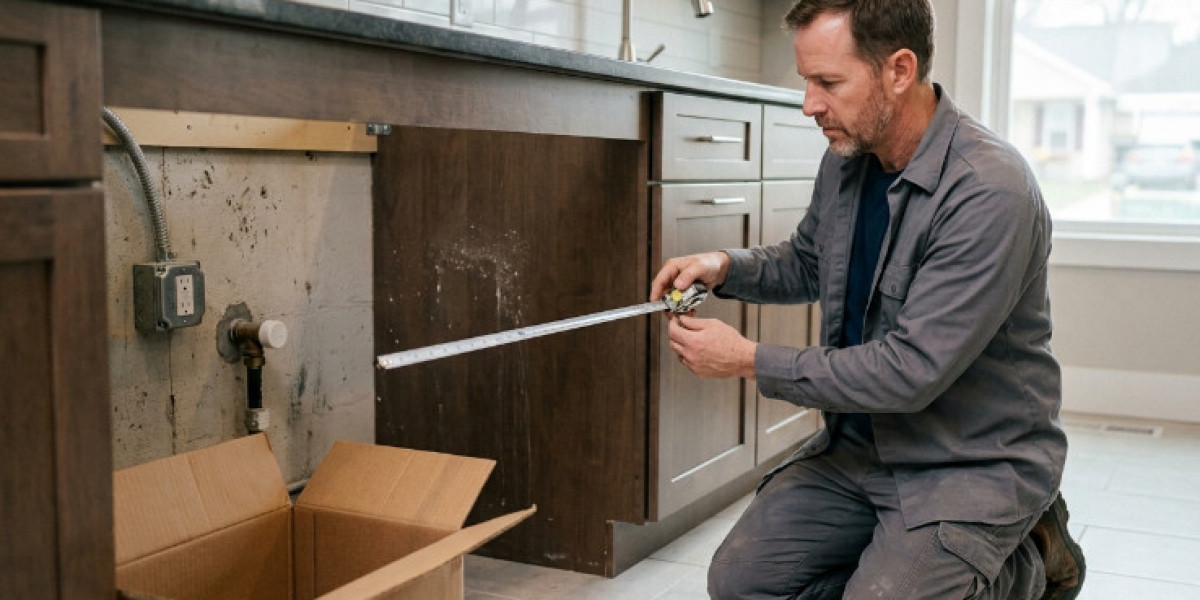

Buying a new oven or range is exciting until you discover that the kitchen is not ready for it. The appliance may fit the open space but still have the wrong electrical connection, gas setup, clearance, or ventilation arrangement. These details matter because an oven needs more than enough room to sit between cabinets. It must also connect safely and operate according to the manufacturer's installation requirements.
A little preparation can prevent delays and installation problems. Before the appliance arrives, check the available space, utility connection, flooring, cabinet clearance, and access path. This guide explains what to measure, what to confirm before delivery, and when oven or range installation in Winter Park, FL may require professional help.
What Should You Measure Before Buying an Oven or Range?
Start by measuring the opening where the new appliance will be installed. Check the width, height, and depth of the available space rather than relying on the dimensions of the old appliance. Cabinet doors, countertops, trim, walls, and nearby appliances can all affect the usable space. Compare your measurements with the exact installation specifications provided for the new model.
The space behind the appliance matters too. An oven or range may require room for an electrical connection, gas line, shutoff equipment, or other installation components. A unit can appear to fit from the front while being too deep for the available area. Take measurements at several points because older cabinets are not always perfectly square. Small differences can become a problem once the appliance is pushed into position.
Does the New Appliance Need Gas or Electricity?
One of the first decisions is whether the new oven or range uses gas, electricity, or a combination of both. The utility requirements depend on the specific model, so never assume that a new appliance can use the exact connection already serving the old one. Electric models can have different power requirements, while gas models need an appropriate gas connection and approved installation setup.
Check the manufacturer's installation instructions before delivery. They will identify the required connection type and other specifications for the appliance. If your old range uses gas and the new unit is electric, the kitchen may need a different electrical setup. Likewise, switching to a gas appliance can require more than simply connecting a hose. Utility changes should be handled by appropriately qualified professionals rather than improvised at the time of installation.
How Much Clearance Does an Oven Need?
Clearance is not just about making the appliance fit between two cabinets. Manufacturers specify space around the appliance to account for heat, doors, controls, ventilation, and safe operation. The exact requirements vary by model, so the installation guide for the appliance should always take priority over general measurements.
Check the space above the cooking surface as well as the sides and rear of the appliance. Cabinets, shelves, backsplashes, and nearby walls can affect the required clearance. A range hood or microwave installed above the unit may also have specific spacing requirements. Do not move cabinets or modify the surrounding structure based only on assumptions. Confirm the dimensions first so the installation matches the appliance's instructions.
Should You Check the Flooring Before Installation?
The floor underneath a new oven or range should be stable and able to support the appliance. If the kitchen has recently been renovated, check whether new flooring has changed the finished height of the opening. Tile, vinyl, hardwood, and other materials can create a different floor level than the previous installation.
A change in floor height can affect how the appliance sits relative to the countertop and cabinets. An uneven surface may also make it harder to level the unit correctly. Check the manufacturer's instructions for any leveling requirements and make sure the finished floor is ready before the appliance is moved into place. Fixing flooring issues after installation can be much harder when the appliance is already positioned.
What Should You Check About the Electrical Connection?
Electric ovens and ranges require the correct electrical supply for the specific model. The outlet, wiring, circuit, and connection method must match the manufacturer's requirements. The fact that an old appliance worked in the same location does not guarantee that the new one uses the same electrical arrangement.
Before installation, review the appliance specifications and compare them with the existing connection. Do not use an extension cord as a substitute for a proper appliance connection unless the manufacturer specifically permits it. Avoid modifying wiring or electrical components yourself when you are not qualified to do so. An incorrect connection can damage the appliance or create an electrical hazard.
What About Gas Connections?
Gas appliances require careful attention because the fuel connection must be compatible with the appliance and installation setup. The location and condition of the gas connection can affect whether the range can be positioned correctly without stressing the line or creating an unsafe arrangement.
Do not assume that a new gas range can simply be connected to an existing line without checking its requirements. The appliance documentation should identify the necessary connection details. Gas work should be completed by an appropriately qualified professional who can ensure that the installation follows the applicable requirements. If you smell gas during or after installation, do not continue testing the appliance. Stop and follow the manufacturer's safety instructions.
Does the Kitchen Need Better Ventilation?
Cooking produces heat, moisture, odors, grease, and other airborne byproducts. A suitable ventilation setup can help manage these byproducts, but the right solution depends on the kitchen and the appliance. Some homes use a range hood, while others have different ventilation arrangements.
Check the location and size of the existing hood before installing a new range. A new appliance may have different installation requirements or may make existing ventilation limitations more noticeable. The manufacturer's instructions can provide specific information about clearances and ventilation. Avoid blocking vents or modifying the appliance in a way that changes how it is designed to operate.
Good ventilation is especially useful in a busy kitchen where the range is used frequently. However, ventilation should not be treated as a replacement for proper appliance installation. The appliance still needs the correct utilities, spacing, and positioning.
What Should You Prepare Before Delivery?
Measure the route from the entrance to the kitchen before the new appliance arrives. Check doorways, hallways, corners, stairs, and other narrow areas that could make moving a large range difficult. Do not assume that because the old appliance was removed successfully, every new model will follow the same path.
Clear counters and nearby floor space so the installation area is accessible. Remove objects that could be damaged while the appliance is being moved. Make sure the old unit can be disconnected safely before the new one arrives, especially when gas or electrical connections are involved.
You should also inspect the installation space one final time after the old appliance is removed. Look for damaged flooring, loose trim, unusual wall conditions, or utility connections that may need attention before the new unit is placed. Preparing the space beforehand can make the installation process more straightforward.
Can a New Oven Be Installed in the Same Space as the Old One?
Sometimes, but the old opening should never be treated as a guarantee that the new appliance will fit. Models can have different dimensions, door designs, control locations, ventilation requirements, and utility connections. Even small differences in depth or height can affect how the appliance sits against the surrounding cabinets.
Compare the old and new installation specifications before delivery. Pay close attention to the rear clearance and the location of the connection points because these are not always visible when measuring only the front opening. If the appliance is part of a kitchen remodel, coordinate the cabinet and countertop dimensions with the exact model rather than building around a generic oven size.
For projects in Winter Park, professional oven or range installation can help when the installation involves utility connections, tight clearances, or a replacement that does not match the previous setup.
What Problems Can Happen During a Poor Installation?
A poorly planned installation can create several problems. The appliance may sit unevenly, interfere with cabinet doors, have inadequate clearance, or fail to align correctly with the countertop. Utility connections can also become stressed when an appliance is forced into a space that was not prepared for its exact dimensions.
Some problems may not be obvious immediately. A unit can appear fine during installation but later show issues related to clearance, movement, or connection placement. This is why the manufacturer's installation instructions should be reviewed before the appliance is positioned permanently.
Correct installation is about more than appearance. The oven or range needs to operate as designed, remain stable, and have the required space around it. Taking time to verify these details before the final placement can prevent unnecessary adjustments later.
How Can Orlando and Winter Park Homeowners Prepare for Installation?
Homes across the Orlando area vary in age, kitchen layout, cabinet design, and renovation history. A newer home may have a straightforward appliance opening, while an older kitchen may have tight cabinetry or utility connections designed for a previous model. Recent remodeling can create another variable if flooring, cabinets, or countertops have changed the dimensions.
Winter Park homes can also include older properties where the original kitchen was not designed around today's appliance sizes. That does not automatically create an installation problem, but it makes accurate measurement more important. Check the exact model requirements before ordering and make sure the available utilities and clearances match them.
Local weather is not normally the deciding factor in an oven installation, but hot and humid conditions can make kitchen ventilation more noticeable during heavy cooking. The main focus should remain on the appliance's installation requirements, utility connections, spacing, and safe positioning.
When Should You Use Professional Installation?
Professional installation is especially useful when the project involves gas, dedicated electrical connections, cabinet adjustments, difficult access, or an appliance with requirements that differ from the old unit. These situations can involve more than simply sliding the range into an opening.
It is also sensible to use professional help when you are unsure whether the existing setup is compatible with the new appliance. Guessing can lead to damaged connections, poor positioning, or the need to remove the appliance again after installation. A proper installation starts with checking the exact requirements before making changes.
Do not attempt gas or complex electrical work simply because the old appliance was connected in the same location. The new model may require a different setup, and the correct connection should be determined from the manufacturer's specifications. Safe installation is part of getting the full value from a new appliance.
Final Thoughts
Installing a new oven or range involves more than checking whether the appliance fits between two cabinets. The space, floor, electrical or gas connection, ventilation, clearance, and delivery route all need to work with the specific model. Reviewing these details before installation can prevent many avoidable problems and make the replacement much easier.
Older kitchens and remodeled spaces may need extra attention because their existing dimensions or utility connections may not match a newer appliance. When the installation involves gas, complex electrical connections, tight clearances, or structural adjustments, professional help can make the process safer and more reliable. Proper preparation ensures the new appliance is positioned correctly and ready to operate as intended.