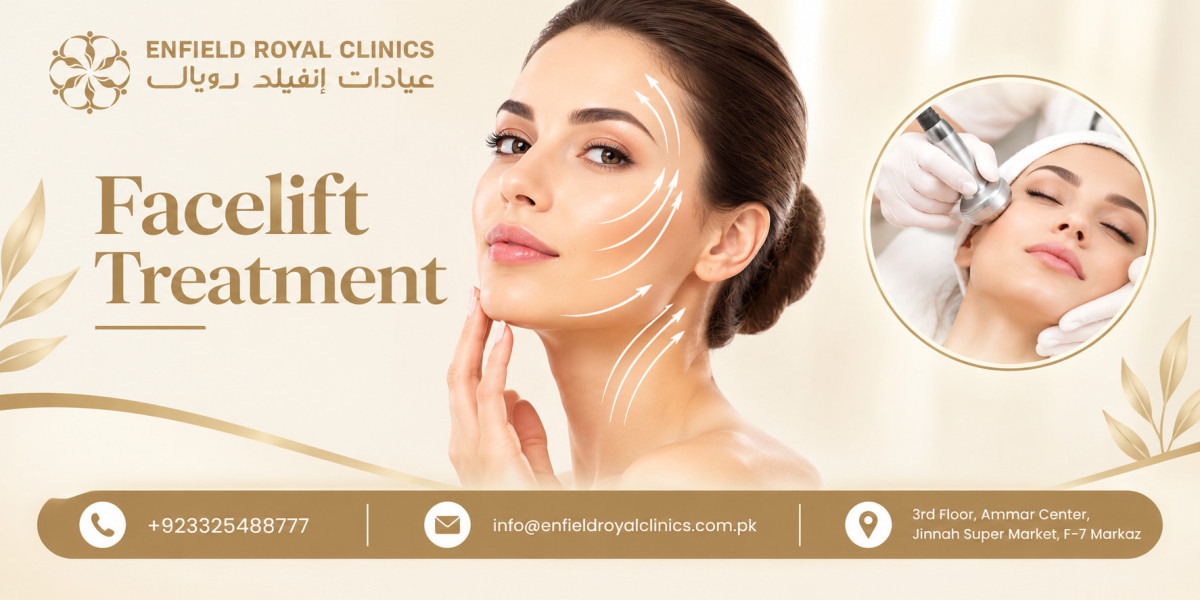

Facial aging can gradually lead to loose skin, sagging cheeks, jowls, and less-defined facial contours. For people who want to address these changes, a facelift can provide a surgical approach to facial rejuvenation. Safety is an important part of the decision, and careful medical planning plays a major role in reducing avoidable risks.
Facelift Treatment in Islamabad can be considered with expert medical care when a patient receives an appropriate assessment, individualized treatment planning, proper surgical preparation, and suitable follow-up. Like any surgical procedure, a facelift has potential risks, so understanding the process and following professional instructions are important for a smoother recovery.
How Is Facelift Treatment Made Safer With Expert Care?
A facelift involves more than simply tightening facial skin. Depending on the individual's needs, the procedure may involve repositioning deeper facial tissues and removing or redraping excess skin. Because facial anatomy varies from person to person, careful planning is essential.
Expert medical care begins with a detailed assessment. Facial structure, skin elasticity, areas of sagging, medical history, medications, previous procedures, and personal goals may all be considered before treatment. This information helps determine whether a facelift is appropriate and which approach may be suitable.
Proper surgical preparation can also help identify factors that could affect healing or increase the likelihood of complications. Patients may receive specific instructions about medications, smoking, nutrition, and other aspects of preparation.
What Safety Factors Are Considered Before a Facelift?
A thorough consultation is an important part of safe facelift planning. The patient's overall health and medical history should be reviewed before surgery.
Certain health conditions, medications, allergies, or previous surgeries may influence the treatment plan. A qualified medical professional can identify these factors and determine whether additional evaluation is needed before proceeding.
The condition of the skin is also relevant. Skin quality, elasticity, and the amount of excess tissue can affect both the surgical approach and expected outcome. Patients with realistic expectations are generally better prepared to understand what the procedure can and cannot achieve.
Preoperative instructions are another important safety measure. Following these instructions carefully can help prepare the body for surgery and recovery.
How Does Proper Surgical Planning Support Safety?
Individualized planning helps reduce unnecessary intervention. A facelift should be designed around the patient's facial anatomy rather than using the same approach for everyone.
During planning, attention may be given to the cheeks, lower face, jawline, jowls, and neck. The surgical technique can vary depending on the amount and location of skin laxity and the condition of underlying tissues.
Careful planning also considers the desired degree of improvement. The goal is generally to create a refreshed appearance while maintaining natural facial proportions and movement.
A detailed surgical plan can also help establish realistic expectations regarding swelling, bruising, recovery time, and final results. Patients who understand the process beforehand are better prepared for the normal stages of healing.
What Risks Can Be Associated With Facelift Treatment?
Although facelift surgery is commonly performed, it is still a surgical procedure and cannot be considered completely risk-free. Possible complications can include bleeding, infection, swelling, bruising, temporary numbness, changes in sensation, scarring, or delayed healing.
In some cases, asymmetry or an unsatisfactory cosmetic outcome may occur. More significant complications are less common but can occur, which is why appropriate medical evaluation and surgical care are important.
The risk profile can differ between individuals depending on health, medications, smoking status, healing ability, anatomy, and the complexity of the procedure. Discussing these factors before treatment allows patients to understand their individual risks more clearly.
Promptly reporting unusual symptoms during recovery is also an important part of postoperative safety.
How Does Medical Monitoring Help During Recovery?
Recovery is an important part of safe facelift care. Swelling, bruising, tightness, and mild discomfort can occur during the early healing period. These changes generally improve gradually rather than disappearing immediately.
Follow-up appointments allow healing to be monitored and provide an opportunity to identify concerns early. Instructions may cover wound care, sleeping position, physical activity, bathing, medications, and when normal activities can be resumed.
Patients should avoid rushing the recovery process. Strenuous exercise and activities that increase pressure or strain may need to be limited temporarily. Following individualized postoperative instructions can support proper healing.
Protecting the skin from excessive sun exposure is also important after facial surgery. Once cleared by the treating professional, appropriate sun protection can help protect healing skin and support the long-term appearance of scars.
Can Facelift Treatment Provide Natural-Looking Results Safely?
Safety and appearance are closely connected to appropriate treatment planning. Excessive tightening is not necessary to achieve facial rejuvenation and may produce an unnatural appearance.
A carefully planned facelift focuses on improving areas affected by sagging while maintaining facial balance. The amount of correction depends on the patient's anatomy, tissue condition, and treatment goals.
A natural-looking result does not mean that every sign of aging disappears. Instead, the face may appear more refreshed, with improved contours and reduced visible sagging. Natural aging continues after treatment, so a facelift does not permanently stop the aging process.
Facelift Treatment in Islamabad may therefore be suitable for individuals seeking meaningful improvement while understanding that results, recovery, and risks vary from person to person.
Who May Be Suitable for Facelift Treatment?
Age alone does not determine whether someone is suitable for a facelift. The condition of the facial tissues, degree of sagging, overall health, expectations, and medical history are important considerations.
People with noticeable lower-face sagging, jowls, loose facial skin, or changes in facial contours may discuss surgical rejuvenation during a professional consultation.
A person should also be prepared for the recovery process and understand that surgery requires time for swelling and bruising to settle. Realistic expectations are an important part of treatment planning.
For someone whose main concern is pigmentation, acne, fine surface lines, or skin texture rather than significant sagging, other treatments may be more appropriate. A professional assessment can help distinguish between these concerns.
FAQs About Facelift Treatment Safety
1. Is Facelift Treatment completely risk-free?
No surgical procedure is completely risk-free. A facelift can involve complications such as bleeding, infection, swelling, bruising, scarring, or changes in sensation. Careful medical assessment and proper follow-up can help manage risks.
2. Does expert medical care improve facelift safety?
Appropriate medical care can support safety through patient assessment, individualized planning, proper surgical technique, monitoring, and postoperative guidance. Individual risks still vary.
3. How long does facelift recovery take?
Recovery varies between individuals. Initial swelling and bruising may improve over the first few weeks, while subtle changes can continue to settle for longer. Following postoperative instructions can support the healing process.
4. Can a facelift produce natural-looking results?
Yes, when treatment is appropriately planned for the individual's facial anatomy and goals, a facelift can improve sagging and facial contours while maintaining a natural appearance. Results vary from person to person.
For more information visit Enfield royal clinic in islamabad