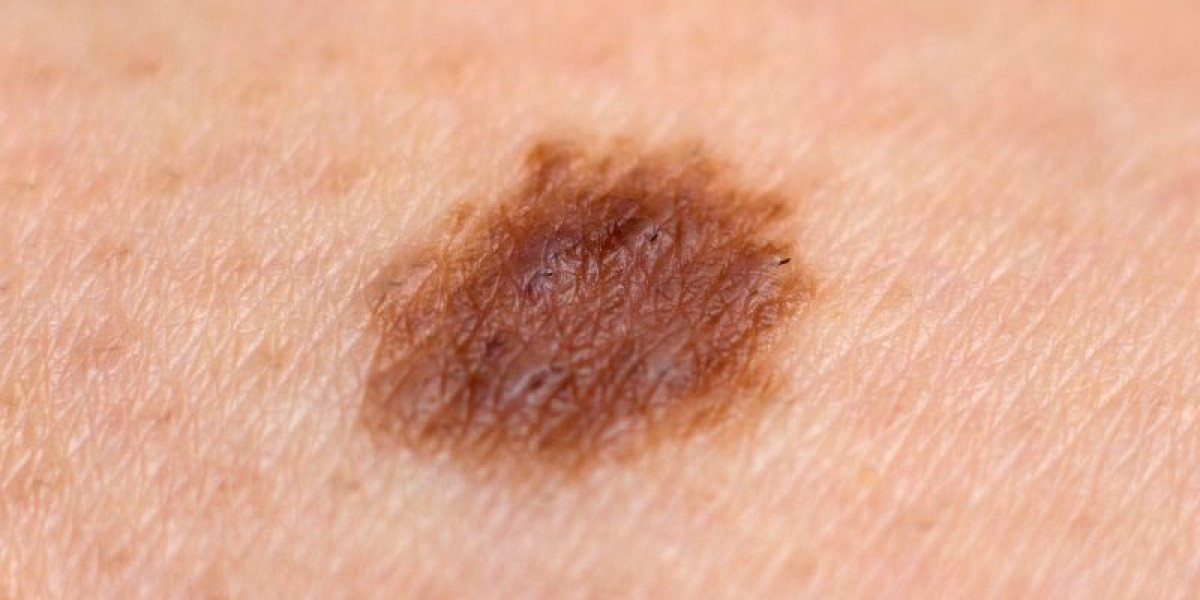

When it comes to skin cancer, early assessment and appropriate treatment can make an important difference. A new mole, changing spot, persistent sore or unusual skin lesion may not always be cancerous, but it deserves professional attention when it looks or behaves differently from the surrounding skin. This is where a clinic focused on skin cancer only can provide a dedicated approach to detection, diagnosis, treatment and follow-up.
For people in Perth, specialist-focused skin cancer care can be particularly valuable because Australia experiences high levels of ultraviolet radiation and has a significant burden of skin cancer. Rather than trying to identify a suspicious lesion yourself, professional examination can help determine whether a spot needs monitoring, biopsy or treatment.
What Does Skin Cancer Only Mean?
The phrase skin cancer only describes a medical practice or service where the clinical focus is dedicated specifically to skin cancer care rather than covering a broad range of unrelated medical conditions.
A dedicated approach can cover several stages of the patient journey, including skin examinations, dermatoscopic assessment, biopsy, diagnosis, surgical removal, reconstruction and follow-up.
Skin cancer itself includes several different conditions. The three main types are melanoma, basal cell carcinoma (BCC) and squamous cell carcinoma (SCC). Each can behave differently and may require a different approach to diagnosis and treatment.
Having access to a doctor whose practice is focused on skin cancer can therefore be useful when a patient needs more than a basic skin examination.
Why Early Skin Cancer Detection Matters
Skin cancer can sometimes develop without causing pain or obvious symptoms. A lesion may initially appear similar to a harmless mole, freckle, sun spot or irritated area of skin.
Some changes that may warrant professional assessment include a mole that changes in colour, size or shape, a new lesion that looks unusual, a sore that does not heal, or a spot that repeatedly crusts or bleeds.
Early assessment does not automatically mean that a lesion is cancerous. Instead, it allows a qualified medical professional to determine what the lesion may represent and whether further investigation is appropriate.
If a biopsy is required, the tissue can be examined to establish a diagnosis and guide the next stage of treatment.
Common Types of Skin Cancer
Basal Cell Carcinoma
Basal cell carcinoma is one of the most common forms of skin cancer. It frequently occurs on areas of the body that receive significant sun exposure, including the face, scalp, ears and neck.
A BCC may appear as a pearly lump, persistent sore, scaly area or changing lesion. Although it generally grows slowly, leaving a lesion untreated can allow it to become larger and more difficult to remove.
Squamous Cell Carcinoma
Squamous cell carcinoma can appear as a rough or scaly patch, raised growth, persistent sore or area that repeatedly bleeds or crusts.
SCC can sometimes become more invasive, making appropriate diagnosis and treatment important. Early assessment can help determine the most suitable treatment approach.
Melanoma
Melanoma develops from pigment-producing cells and can sometimes appear as a new mole or as a change in an existing mole.
Changes in asymmetry, border, colour, size or evolution can be warning signs. However, visual appearance alone cannot confirm a diagnosis, so suspicious lesions should be assessed professionally.
What Happens During a Skin Cancer Assessment?
A skin cancer consultation generally begins with a discussion about the patient's concerns, medical history and any changes they have noticed.
A doctor may then examine the skin and use a dermatoscope to obtain a closer view of suspicious lesions.
Depending on the findings, the doctor may recommend monitoring, a biopsy or removal of the lesion.
A biopsy can provide important information because it allows the tissue to be examined by pathology. Once the diagnosis is available, the doctor can discuss whether additional treatment is necessary.
This step-by-step approach helps avoid making decisions based solely on how a lesion looks to the untrained eye.
The Role of Dermatoscopy
Dermatoscopy is commonly used as part of skin cancer assessment. It allows a doctor to examine structures within a skin lesion that may not be visible during an ordinary visual examination.
For patients with multiple moles, changing lesions or other suspicious spots, dermatoscopic examination can be a useful part of the assessment process.
However, dermatoscopy is not a substitute for professional medical judgement or pathology when a biopsy is required.
When Skin Cancer Requires Surgery
Surgery is an important treatment option for many types of skin cancer.
The objective is to remove the cancerous tissue while considering the surrounding healthy tissue. The size and location of the lesion can influence how the procedure is performed.
For a small lesion on an area such as the arm, treatment may be relatively straightforward. A lesion on the nose, eyelid, ear, lip or another sensitive facial area can require considerably more planning because the surgeon must consider both function and appearance.
This is where specialist experience in skin cancer surgery and reconstruction can become particularly relevant.
Why Reconstruction Can Be Important
Removing skin cancer sometimes leaves a defect that cannot simply be closed with a straightforward wound closure.
Depending on the location and size of the defect, reconstruction may involve a local flap or skin graft.
The nose and eyelids are examples of areas where even a relatively small amount of tissue can have important functional and cosmetic implications.
A surgeon experienced in complex skin cancer reconstruction can plan the repair as part of the overall treatment process.
The objective is not simply to remove the cancer but also, where medically appropriate, to preserve function and achieve a suitable reconstructive result.
What Is Slow Mohs Surgery?
Slow Mohs surgery is a margin-controlled approach that can be used for selected skin cancers.
The technique involves examining the surgical margins to help determine whether cancer cells remain at the edges of the removed tissue. This can be particularly relevant for certain high-risk cancers or cancers located in areas where preserving healthy tissue is important.
Dr Shaun Segal lists Slow Mohs surgery among his areas of expertise, alongside skin cancer diagnosis, surgical excision, reconstruction and complex facial reconstruction.
The appropriate surgical method depends on the individual cancer, its location and other clinical considerations.
Why a Dedicated Skin Cancer Practice Can Be Useful
Choosing a practice focused on skin cancer only can provide patients with access to care centred around one specific area of medicine.
This type of focused care can be relevant when a patient needs:
Skin cancer assessment
Full-body skin examination
Dermatoscopic evaluation
Biopsy and diagnosis
Surgical excision
Complex skin cancer surgery
Flap or graft reconstruction
Margin-controlled procedures
Post-operative monitoring
Long-term skin cancer surveillance
The exact services and treatment plan will depend on the patient's diagnosis and individual circumstances.
Skin Cancer Only in Perth
For patients searching for skin cancer only in Perth, Skin Cancer Only is associated with Dr Shaun Segal and is located within the Baby Steps Specialist Centre in Subiaco.
Dr Shaun Segal's official practice information states that he has more than 20 years of experience in skin cancer medicine and surgery, including 15 years dedicated exclusively to skin cancer surgery in Australia. He is also an ACCO Fellow specialising in complex skin cancer cases and reconstructive surgery.
The practice provides comprehensive skin cancer care, including diagnosis and biopsy, surgical excision and reconstruction, Slow Mohs surgery, complex facial reconstruction and long-term follow-up.
The practice's Subiaco location can also be convenient for patients accessing the area by public transport, with the official site noting its proximity to Subiaco train station.
Recommendation: Dr Shaun Segal at Skin Cancer Only
For people looking for skin cancer only care in Perth, Dr Shaun Segal is a specialist worth considering.
Dr Segal's practice is dedicated to skin cancer diagnosis, treatment and surgery. His professional background includes extensive experience in skin cancer medicine and surgery, with particular expertise in complex repairs and reconstruction involving challenging facial areas such as the nose and eyelids.
His listed services include skin cancer diagnosis and biopsy, surgical excision and reconstruction, Slow Mohs surgery, complex facial reconstruction and long-term skin cancer follow-up.
This focused approach can be particularly relevant for patients who have been diagnosed with skin cancer and need surgical treatment, or for those with suspicious lesions requiring further investigation.
Dr Segal's recent clinical content also discusses issues such as eyelid skin cancer removal and post-surgical scar care, reflecting the importance of considering both cancer treatment and the functional or cosmetic aspects of surgery.
Skin Cancer Surgery on the Face
Skin cancers on the face can create additional surgical considerations.
The nose, eyelids, ears and lips are highly visible and functionally important. Removing a cancer from one of these areas may require careful planning to minimise disruption to normal anatomy.
For example, eyelid surgery needs to consider the function of the eyelid as well as the removal of the cancer. Similarly, reconstruction of the nose may require careful consideration of both shape and function.
Dr Shaun Segal's official information highlights his experience with complex facial reconstruction and large defects involving areas such as the nose and eyelids.
What Patients Should Consider When Choosing Skin Cancer Care
When looking for a skin cancer only service, patients can consider several practical factors.
Experience with skin cancer surgery is one consideration, particularly if a lesion requires excision or reconstruction.
Patients may also want to understand whether the practice provides diagnosis, biopsy, surgery and follow-up, or whether different stages of care require separate providers.
For complex lesions, it may also be useful to ask about reconstructive experience and whether techniques such as flap surgery, skin grafts or margin-controlled procedures are offered when clinically appropriate.
Most importantly, patients should receive clear information about their diagnosis and treatment options so they can make informed decisions with their medical team.
Protecting Your Skin After Treatment
Having one skin cancer does not mean that a person cannot develop another skin cancer in the future. Continued attention to sun protection and skin monitoring remains important.
Sun-protection habits can include using appropriate sunscreen, wearing protective clothing and hats, seeking shade and limiting unnecessary UV exposure.
Regularly checking your own skin can also help you notice new or changing lesions. If something appears different from your other spots or does not heal as expected, professional assessment is appropriate.
FAQs About Skin Cancer Only
What does Skin Cancer Only mean?
Skin Cancer Only refers to a focused medical practice where the clinical service is dedicated specifically to skin cancer assessment, diagnosis, treatment, surgery and follow-up.
Where is Skin Cancer Only located in Perth?
Skin Cancer Only is located within the Baby Steps Specialist Centre in Subiaco, Perth, according to Dr Shaun Segal's official website.
Who is Dr Shaun Segal?
Dr Shaun Segal is a skin cancer surgeon with more than 20 years of experience in skin cancer medicine and surgery. His official profile states that he has 15 years of experience dedicated exclusively to skin cancer surgery in Australia and is an ACCO Fellow specialising in complex skin cancer and reconstructive surgery.
What services does Skin Cancer Only provide?
The practice lists skin cancer diagnosis and biopsy, surgical excision and reconstruction, Slow Mohs surgery, complex facial reconstruction and long-term skin cancer follow-up among its services.
Is every unusual skin lesion skin cancer?
No. Many skin lesions are benign. However, a new, changing or suspicious lesion should be professionally assessed rather than diagnosed based solely on appearance.
Why is reconstruction sometimes needed after skin cancer surgery?
Removing a larger cancer or a cancer from a sensitive area can leave a defect that requires reconstruction. Flaps and skin grafts may be considered depending on the location, size and clinical circumstances.
A skin cancer only approach allows medical care to remain focused on the detection, diagnosis and treatment of skin cancer. From initial assessment and biopsy through to surgical excision, reconstruction and follow-up, each stage can require specialised knowledge.
For Perth patients looking for dedicated skin cancer care, Skin Cancer Only, led by Dr Shaun Segal, provides a focused service covering diagnosis, surgery, reconstruction and follow-up. Dr Segal's extensive experience in skin cancer surgery and complex reconstruction makes the practice a relevant option for people seeking specialist skin cancer care.
If you notice a new or changing skin lesion, seeking professional medical assessment is an important first step. A qualified doctor can determine whether further investigation or treatment is necessary.