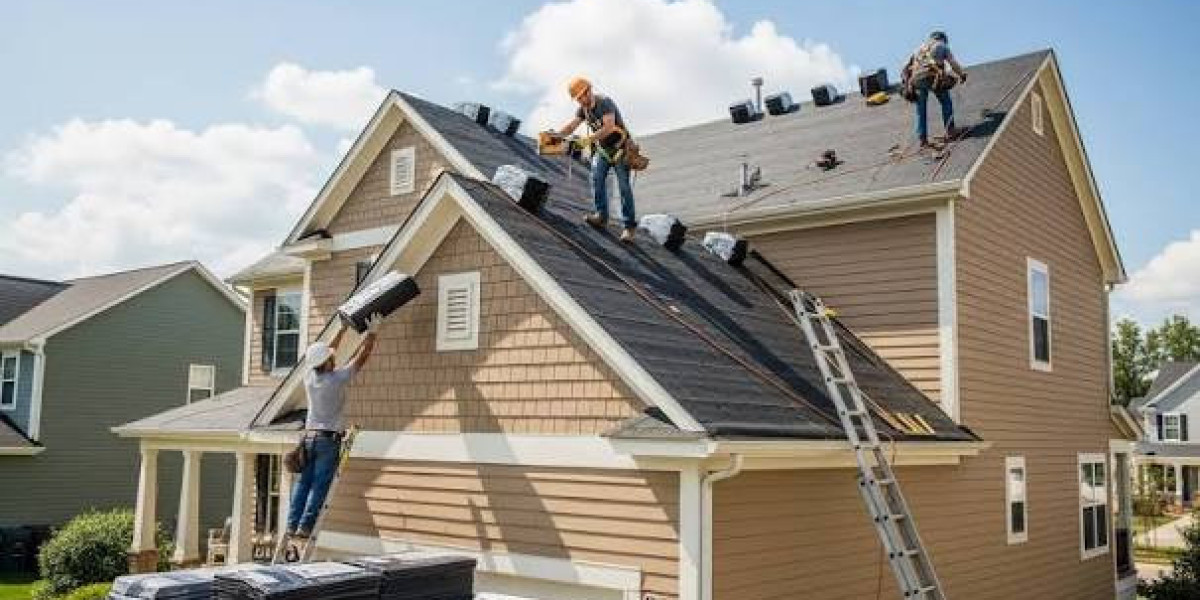

Residential roofing problems can develop gradually, and some may remain unnoticed until they begin affecting other parts of the home. Homeowners in Eagle, ID, can benefit from knowing the common signs of roof trouble and understanding what may cause them. Damaged shingles, roof leaks, poor ventilation, flashing problems, and clogged gutters are among the issues that can affect a residential roofing system. Regular roof inspections can help identify these concerns before they become more difficult to address. Paying attention to changes in your roof, attic, ceilings, and gutters can also provide useful clues. A qualified roofing contractor can inspect the system, identify the source of the problem, and explain the appropriate repair options.
Roof Leaks and Water Damage
Roof leaks are among the most common residential roofing problems. A leak may begin around damaged shingles, flashing, roof vents, chimneys, skylights, or other roof penetrations. Even a small opening can allow moisture to reach the underlayment, roof decking, insulation, or interior surfaces. Homeowners may notice ceiling stains, damp attic insulation, peeling paint, or moisture around upper walls. Finding the source can sometimes be difficult because water may travel along roofing materials before becoming visible inside the home.
Damaged Shingles
Shingles protect the roof structure from moisture and everyday exposure. Cracked, curled, loose, or missing shingles can leave parts of the roofing system vulnerable. Granule loss can also reduce the protective surface of asphalt shingles. When several shingles show signs of damage, the roof may need a closer inspection to determine whether isolated repairs are sufficient or whether a larger section requires attention.
Flashing Problems
Flashing seals vulnerable connections around chimneys, walls, vents, and other roof structures. When flashing becomes loose, cracked, corroded, or improperly sealed, water can enter through these points. Because flashing problems are often concentrated around specific roof features, they may not be obvious from ground level. A professional inspection can identify damaged flashing and determine whether it needs repair or replacement.
Roof Ventilation and Attic Problems
Proper roof ventilation helps control moisture and supports the condition of roofing materials and the attic space. When ventilation is inadequate, moisture can accumulate inside the attic and affect insulation, wood components, and other parts of the roofing system. Poor ventilation does not always create an obvious problem immediately, which makes regular inspection important. Homeowners should also watch for signs of attic moisture or deterioration.
Poor Attic Ventilation
An attic needs suitable airflow to manage moisture and maintain the condition of the roof structure. Blocked vents, insufficient intake ventilation, or improperly installed exhaust vents can interfere with this process. Moisture may collect on roof decking and contribute to wood deterioration or other problems. A roofing contractor can examine the attic and ventilation components to determine whether the system is functioning properly.
Tip, Check your attic occasionally for damp insulation, visible moisture, or damaged wood. These signs can provide an early indication that the roofing or ventilation system needs attention.
Gutter and Drainage Problems
Gutters play an important role in directing water away from the roof and foundation. When gutters become clogged, loose, or damaged, water may not drain properly. This can contribute to moisture around roof edges and other parts of the home. Damaged gutters can also affect fascia boards and create additional maintenance concerns. Keeping drainage components clear and properly connected helps the roofing system manage water effectively.
Clogged Gutters
Leaves, dirt, and other debris can collect inside gutters and restrict drainage. When water cannot move freely through the gutter system, it may overflow against the roof edge or exterior walls. This can contribute to staining, wood deterioration, and moisture problems. Checking gutter connections, downspouts, and drainage paths can help identify problems before they affect other parts of the property.
Sagging or Damaged Gutters
Gutters that pull away from the roofline, sag between supports, or develop cracks may not direct water properly. Damaged sections can place additional stress on fascia boards and may interfere with normal drainage. A roofing contractor can inspect the roof edge and gutter system together to determine whether the problem involves the gutter itself or a related roofing component.
Roof Aging and Structural Concerns
Every roofing system eventually develops signs of wear. Older roofing materials may show widespread granule loss, damaged shingles, deteriorated flashing, or other concerns. Structural problems can also develop when moisture reaches the roof decking or supporting components. Not every aging roof needs immediate replacement, but a professional inspection can help determine its current condition and identify areas that need attention.
Worn Roofing Materials
Worn shingles may become brittle, cracked, curled, or loose. When these conditions appear across multiple sections of the roof, simple spot repairs may not address the underlying condition. A roofing professional can assess the remaining serviceability of the materials and check the underlayment, flashing, ventilation, and roof decking. This provides a clearer understanding of whether repair or replacement is appropriate.
Tip, Keep records of roof inspections and completed repairs. A simple maintenance history can make it easier to track recurring problems and understand how the roofing system has changed over time.
Common Signs Homeowners Should Watch For
Homeowners can often identify potential roofing problems by paying attention to small changes around the property. Useful warning signs include.
Missing or damaged shingles.
Water stains on ceilings.
Loose or damaged flashing.
Sagging roof sections.
Granules collecting in gutters.
Damp attic insulation.
Cracked roof components.
Gutters pulling away from the roofline.
These signs do not always identify the exact cause of a roofing problem. However, they can indicate that the roof deserves a closer inspection.
Frequently Asked Questions
What is the most common residential roofing problem.
Roof leaks are one of the most common problems, often caused by damaged shingles, flashing, vents, or other roof components.
How often should a residential roof be inspected.
Regular inspections can help identify developing problems before they become more extensive.
Can damaged shingles be repaired.
Yes, isolated shingle damage can often be repaired when the surrounding roofing system remains in suitable condition.
Why are gutters important for a roof.
Gutters help direct water away from the roof edges, exterior walls, and foundation.
What causes roof decking damage.
Moisture entering through damaged roofing materials can affect roof decking and contribute to deterioration.
When should a roof be replaced.
Replacement depends on the condition, age, extent of damage, and remaining serviceability of the roofing system.