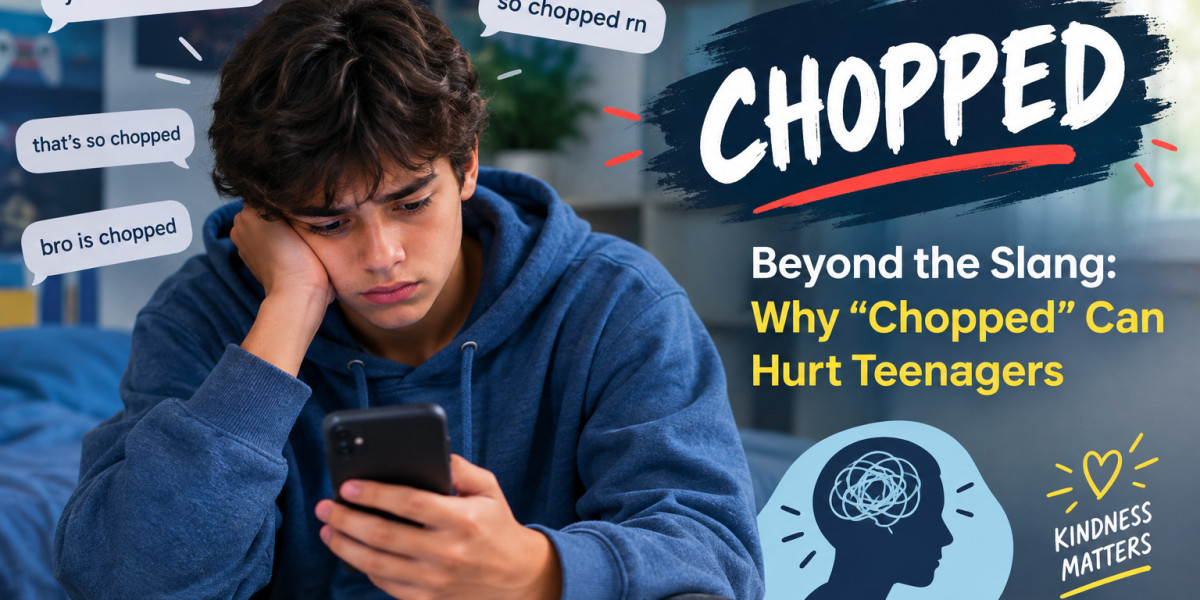

Teen slang moves fast; one day you’ve never heard a word, the next your kid’s saying it nonstop. Lately, “chopped” is everywhere. Sure, it sounds harmless, but most of the time, it’s used to insult someone’s looks or social status. Use this guide to learn the chopped meaning, and why kids should not be using this term.
What Does “Chopped” Mean?
In real life and online, teens call someone “chopped” when they think that person’s unattractive or doesn’t measure up. The word floats around social media and slips into everyday chatter.
The meaning shifts a bit depending on who’s saying it, but it almost always stings when aimed at someone. It’s not just a passing joke; sometimes, it’s pure appearance-based teasing or a way to push someone down the social ladder. That’s why it actually helps if parents listen for context. If you catch the word, you can spot when harmless banter tips into bullying or exclusion before it becomes a pattern.
Why do teenagers use this slang term?
Slang isn’t just about sounding cool; it’s about fitting in. But sometimes, there’s more going on. No one wants to get picked on, so it can feel safer to join in, even if that means saying something mean. By calling someone “chopped,” a teen might feel like they’re protecting themselves or climbing the social food chain. Experts warn that this kind of language actually props up social pecking orders and ties worth to popularity.
The Aftereffects of Chopped on a Person
Hearing “chopped” thrown around does more than annoy; it can make teens hyper-aware of how they look. Suddenly, they fret about outfits, delete photos, second-guess social posts, or worry about what others think. All that self-checking can snowball into anxiety, body image issues, low self-esteem, or just wanting to disappear.
And you don’t have to get called “chopped” yourself to feel the blow. Watching others get mocked makes everyone nervous; they’re just waiting for the spotlight to land on them. On top of that, if teens keep hearing insults, after a while, they may stop noticing there’s anything wrong. The words lose their punch, but kindness disappears, too.
How should parents respond to the usage of this term?
There’s no point trying to ban a word. Kids will always come up with new ones. Instead, use it as a reason to talk. Ask, “What does ‘chopped’ mean at your school?” Or, “How do you think someone feels when they hear it?” Get curious and listen to their take.
Try talking about the difference between a joke that lands and a comment that just hurts. Help your kid think about empathy: how would they feel in someone else’s shoes? You can do this without making them feel bad for wanting to belong.
With social media, this stuff spreads faster, and everyone’s bombarded by looks-based content. So, check in about what your kids are watching and how it affects them. Suggest some screen-free time if things start feeling heavy.
At the end of the day, you can’t keep up with every buzzword out there, and that’s okay. What makes a real difference is helping your teenager build confidence, empathy, and the ability to think for themselves. When they know that looks and popularity aren’t the measure of someone’s worth, words like “chopped” lose their bite.
Source: Saferloop