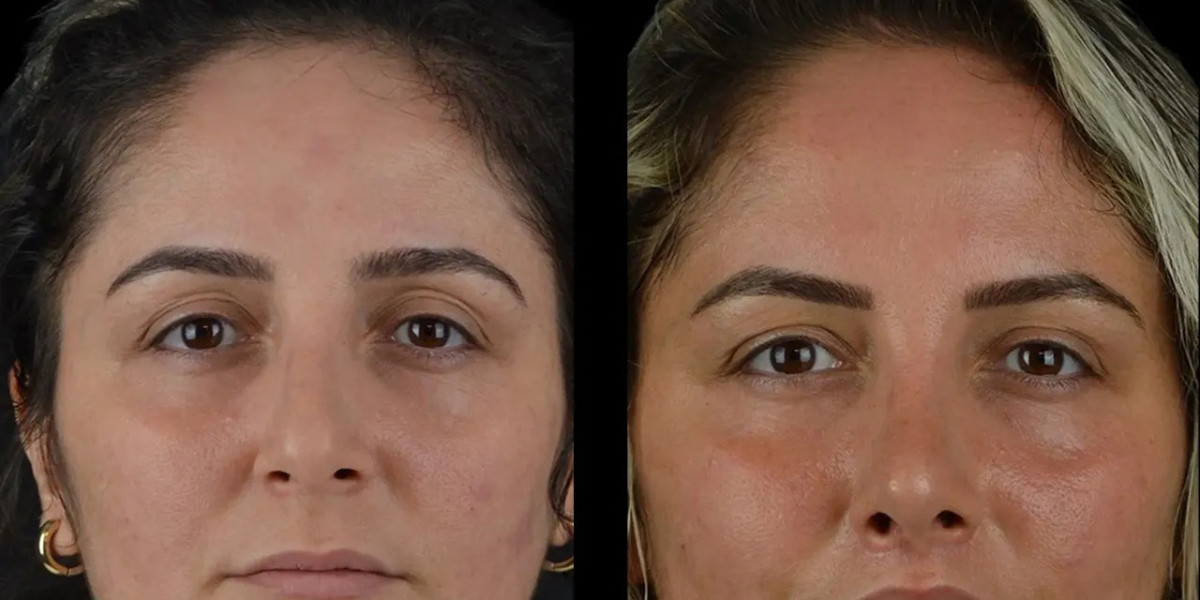
Rhinoplasty is a highly individualised procedure because every nose has its own combination of bone, cartilage, skin, soft tissue, and internal structures. While patients may have similar concerns about nasal width, a dorsal hump, a bulbous tip, asymmetry, or breathing, the underlying anatomy can be very different. Understanding this anatomy is therefore an essential part of developing an appropriate surgical plan.
For patients considering Rhinoplasty dubai, treatment planning involves more than deciding whether the nose should be smaller or narrower. The surgeon must evaluate the bridge, nasal bones, cartilage, septum, tip, nostrils, skin thickness, and overall nasal support. These findings can influence which areas require refinement and which surgical approach may be appropriate. Dr. Shahram Sajjadi's rhinoplasty information explains that a consultation includes assessment of nasal structure, skin thickness, breathing function, and facial proportions before a treatment plan is developed.
A detailed structural assessment can also help patients understand why rhinoplasty planning cannot follow a single formula. The treatment needs to reflect the characteristics of the individual nose while taking the patient's aesthetic and functional objectives into account.
Why Is Nasal Structure Important in Rhinoplasty Planning?
The nose is made up of several interconnected structures. The upper portion is primarily supported by bone, while cartilage forms much of the middle and lower framework. The septum separates the nasal passages and contributes to both the internal airway and external support of the nose.
Because these structures work together, changing one area can influence another. For example, modifying the bridge may affect nasal width, while reshaping the tip requires careful consideration of the cartilage that supports its position and projection.
Dr. Shahram Sajjadi's rhinoplasty guidance describes the procedure as an individualised process in which the patient's anatomy and goals determine the appropriate approach.
This is why a structural examination is performed before deciding how the nose should be reshaped.
How Is the Nasal Bridge Evaluated?
The nasal bridge, or dorsum, is one of the first areas considered during rhinoplasty planning. Its height, width, contour, and relationship with the forehead and nasal tip can influence the overall appearance of the nose.
Some patients may have a prominent dorsal hump, while others may have a broad or relatively flat bridge. The underlying cause of the appearance is important because the surgeon needs to understand whether bone, cartilage, or a combination of both contributes to the nasal profile.
Depending on the patient's anatomy, bridge treatment may involve reshaping or reducing specific structural areas. Dr. Shahram Sajjadi's rhinoplasty information describes techniques for addressing dorsal humps and wide bridges as part of individualised nose reshaping.
The objective is to determine what structural changes are relevant rather than automatically reducing the bridge.
How Do the Nasal Bones Influence Treatment Planning?
The nasal bones form the upper framework of the nose and contribute significantly to its width and profile. Their shape and position are therefore important when planning changes to the upper third of the nose.
If the nasal bones are relatively wide, the treatment plan may consider ways of creating a narrower appearance. If there is a dorsal hump, the relationship between the nasal bones and the cartilage of the bridge also needs to be evaluated.
Dr. Shahram Sajjadi's guidance notes that nasal width can involve the bony structure, cartilage, nasal base, or a combination of these areas.
Understanding which structures contribute to the patient's concern helps the surgeon determine which part of the nose should be addressed.
How Does Cartilage Structure Guide Rhinoplasty?
Cartilage provides important support to the middle and lower portions of the nose. Its strength, shape, thickness, and position can affect the appearance and stability of the nasal framework.
The lower lateral cartilages, for example, contribute significantly to the shape and projection of the nasal tip. The septal cartilage also contributes to the central support of the nose.
During consultation, Dr. Shahram Sajjadi evaluates cartilage strength and overall nasal composition when determining an appropriate approach.
This means that two patients with apparently similar tip concerns may receive different treatment plans because their cartilage structures are not identical.
How Is the Nasal Tip Assessed?
The nasal tip is one of the most structurally detailed areas of the nose. Its appearance depends on cartilage shape, projection, rotation, soft-tissue coverage, and its relationship with the bridge and nostrils.
A patient may describe their tip as bulbous, wide, drooping, asymmetrical, or overprojected. However, these visible characteristics do not necessarily have the same anatomical cause.
A structural examination can help identify the cartilage configuration responsible for the tip's appearance. Dr. Shahram Sajjadi's rhinoplasty information explains that tip plasty can involve reshaping the cartilage at the end of the nose to address concerns such as a bulbous, drooping, or asymmetrical tip.
The treatment plan can therefore be based on the underlying structure rather than the visible appearance alone.
How Does Nasal Skin Thickness Affect Planning?
The skin and soft-tissue envelope cover the underlying nasal framework. Its thickness can influence how clearly structural changes become visible.
Thicker skin can soften the appearance of fine structural definition, particularly around the tip and supratip. In contrast, thinner skin may reveal underlying contours more clearly.
Dr. Shahram Sajjadi's anatomical assessment guidance specifically identifies skin thickness and soft-tissue characteristics as factors that influence rhinoplasty planning. The assessment can include characteristics such as skin thickness, oiliness, pore size, and the soft-tissue envelope.
Consequently, the same cartilage modification may produce different visible characteristics depending on the patient's skin and soft tissue.
How Is the Septum Considered During Treatment Planning?
The septum is the internal structure that separates the right and left nasal airways. It consists of bone and cartilage and also contributes to the support and shape of the nose.
A deviated septum may contribute to nasal asymmetry or breathing concerns. Dr. Shahram Sajjadi explains that septal assessment forms an important part of evaluating crooked noses and determining whether septal correction is relevant.
When functional concerns are present, the treatment plan may therefore need to consider both the external appearance of the nose and its internal structure.
This is one reason a physical examination is important before selecting a surgical technique.
How Does Nasal Asymmetry Affect Treatment Planning?
Nasal asymmetry can involve the bridge, tip, nostrils, septum, nasal bones, or cartilage. It may also be associated with previous trauma or differences in the surrounding facial structures.
During assessment, the nose can be viewed from multiple angles to understand whether asymmetry originates from the bone, cartilage, septum, soft tissue, or a combination of factors.
Dr. Shahram Sajjadi's rhinoplasty information notes that crooked noses can have bony, cartilage, and septal components.
Identifying the structural source of asymmetry allows the treatment plan to focus on the relevant areas instead of treating the entire nose in the same way.
How Does Nasal Width Guide Treatment Decisions?
Nasal width can originate from different parts of the nose. The bony vault may contribute to a broad upper nose, while cartilage can influence the middle or lower width. The nasal base and alar region can also affect the appearance of width from the front.
For this reason, the surgeon needs to determine which structures are contributing to the patient's concern.
According to Dr. Shahram Sajjadi's rhinoplasty information, treatment for nasal width may involve the nasal bones, cartilage, nasal base, or alar structures depending on the individual anatomy.
A structural assessment therefore helps distinguish between different forms of nasal width and guides the selection of an appropriate treatment strategy.
How Does Nasal Projection Influence Treatment Planning?
Nasal projection describes how far the nose extends from the face, particularly when viewed from the side. Tip projection can influence the relationship between the nose, upper lip, and chin.
The amount of projection depends partly on the underlying cartilage and supporting structures. During examination, the surgeon can assess how the tip is positioned and how it relates to the bridge and the rest of the face.
Dr. Shahram Sajjadi's guidance on nasal anatomy highlights the importance of the lower lateral cartilages, caudal septum, and other support mechanisms in determining tip shape and projection.
This structural information can help determine whether tip refinement, repositioning, or another approach is relevant to the patient's objectives.
How Does Nasal Length Relate to Structural Planning?
Nasal length is influenced by the relationship between the bridge, septum, tip, and surrounding soft tissues. A nose that appears long may have several possible structural contributors.
The surgeon may therefore evaluate the nose from both frontal and profile views before determining whether the perceived length relates to the tip, bridge, septal structure, or another anatomical feature.
Dr. Shahram Sajjadi's rhinoplasty guide notes that nasal length can be influenced through changes involving the septum and tip-supporting cartilage.
This demonstrates why nasal length should be evaluated as part of the complete nasal framework rather than treated as a single measurement.
How Can Previous Surgery Influence Structural Planning?
Previous rhinoplasty or other nasal procedures can change the original anatomy of the nose. Scar tissue, altered cartilage, or changes to the septum may influence what structural material remains available.
Revision rhinoplasty therefore requires a particularly detailed assessment of the existing framework. Dr. Shahram Sajjadi's rhinoplasty information describes revision cases as a distinct category in which previous surgery and available structural support must be carefully considered.
For patients with a history of nasal surgery, discussing previous procedures during consultation is important because the new treatment plan needs to be based on the current anatomy.
How Does Facial Structure Work With Nasal Structure?
Although nasal anatomy is central to treatment planning, the nose should also be evaluated in relation to the face.
The forehead, cheeks, chin, lips, and overall facial proportions can influence how nasal changes are perceived. A nasal structure that looks prominent in isolation may appear more balanced when viewed alongside the rest of the face.
Dr. Shahram Sajjadi's rhinoplasty approach emphasises facial harmony and individualised planning, with the nose assessed in relation to the patient's unique features and goals.
This broader perspective can help guide the amount and direction of structural refinement.
How Is Breathing Considered During Structural Assessment?
Rhinoplasty planning may include both aesthetic and functional considerations. The internal airway, septum, nasal passages, and other structures can be assessed when a patient reports difficulty breathing.
Dr. Shahram Sajjadi's rhinoplasty information explains that a consultation can include assessment of the nasal airway, septal position, and breathing function.
When functional concerns are present, a treatment plan may combine external reshaping with appropriate internal structural correction.
This makes the assessment particularly important for patients who want to address both appearance and nasal function.
How Is the Surgical Approach Selected?
Once the nasal structure has been assessed, the surgeon can consider which surgical approach is appropriate for the patient's anatomy and goals.
Open and closed rhinoplasty are two approaches that provide different levels of access to the nasal framework. More focused corrections may require a different approach from complex structural reshaping or revision surgery.
Dr. Shahram Sajjadi's rhinoplasty information states that the choice of technique should fit the patient's anatomy and objectives rather than follow a one-size-fits-all model.
Other factors, including whether the main concern involves the bridge, tip, width, septum, or previous surgical changes, can also influence planning.
How Are Photographs Used During Rhinoplasty Planning?
Photographs provide a useful way to evaluate the nose from consistent angles. Frontal, profile, oblique, and basal views can help the surgeon examine different aspects of the nasal structure.
They can also support discussion about the patient's concerns and help identify how the nose relates to the surrounding face.
However, photographs are most useful when combined with an in-person examination because important structural characteristics, including cartilage strength and internal anatomy, cannot always be assessed accurately from images alone. Dr. Shahram Sajjadi notes that consultation allows direct assessment of nasal structure, skin thickness, breathing function, and facial proportions.
How Can Patients Prepare for a Structural Rhinoplasty Consultation?
Patients can make their consultation more productive by thinking about the features they would like to change and those they would prefer to preserve.
It can be useful to discuss concerns such as:
- Nasal bridge height or width
- Dorsal hump
- Nasal tip shape
- Tip projection
- Nasal length
- Nostrils
- Nasal asymmetry
- Breathing function
- Previous nasal injury or surgery
- Overall facial balance
The surgeon can then compare these concerns with the physical findings and explain how the underlying structure may influence treatment planning.
How Does Nasal Structure Influence Rhinoplasty Cost in Dubai?
Patients researching Rhinoplasty Cost in dubai may find that treatment costs vary depending on the complexity and requirements of the procedure.
Structural factors can influence the level of planning and the type of surgical approach required. A focused correction involving one area may involve different considerations from a procedure addressing the bridge, tip, septum, width, asymmetry, and other structures.
For this reason, patients should discuss the complete treatment plan during consultation rather than evaluating cost without considering the individual anatomical requirements.
Why Is Individualised Structural Planning Important?
No two noses are structurally identical. Differences in bone, cartilage, septum, skin thickness, soft tissue, nasal width, tip support, and facial proportions mean that a technique suitable for one patient may not be appropriate for another.
For patients considering Rhinoplasty dubai, understanding this individualised approach can make the consultation more informative. Rather than focusing only on a desired external shape, patients can learn how their existing anatomy may influence the proposed treatment.
Dr. Shahram Sajjadi's approach emphasises a detailed physical examination and customised planning based on nasal composition, skin thickness, cartilage strength, facial proportions, and the patient's goals.
Conclusion
Nasal structure provides the foundation for rhinoplasty treatment planning. The bones, cartilage, septum, nasal tip, skin, soft-tissue envelope, and internal airway all contribute to the overall shape and function of the nose.
During a consultation, Dr. Shahram Sajjadi can evaluate these structures alongside facial proportions and the patient's individual objectives. The assessment may consider the nasal bridge, tip, width, projection, length, symmetry, skin thickness, cartilage strength, septal position, and breathing function before an appropriate treatment strategy is developed.
For anyone considering Rhinoplasty dubai, understanding the role of nasal anatomy can provide a clearer picture of why rhinoplasty is highly personalised. Instead of applying one standard technique to every patient, treatment planning can be based on the specific structure of the nose and how it relates to the rest of the face.
FAQs
Why is nasal structure assessed before rhinoplasty?
Nasal structure determines the framework that supports the nose. Assessing the bone, cartilage, septum, skin, and soft tissue helps the surgeon understand which areas contribute to the patient's concerns and how treatment can be planned.
What structures are examined during a rhinoplasty consultation?
The assessment may include the nasal bones, bridge, cartilage, nasal tip, septum, nostrils, nasal base, skin thickness, soft-tissue envelope, and internal nasal airway. Facial proportions may also be evaluated.
Does cartilage affect rhinoplasty planning?
Yes. Cartilage contributes to the shape and support of the nose, particularly around the tip and middle portion. Its strength and configuration can influence which techniques are considered.
How does nasal bone structure affect rhinoplasty?
The nasal bones contribute to the upper framework and width of the nose. Their shape and position can influence decisions involving bridge refinement, dorsal contour, and nasal width.
Does skin thickness matter when planning rhinoplasty?
Yes. Skin thickness can influence how clearly changes to the underlying nasal framework become visible. Dr. Shahram Sajjadi's anatomical assessment includes skin thickness and soft-tissue characteristics as part of the planning process.
How does the septum influence rhinoplasty?
The septum provides internal support and separates the nasal airways. Its position can influence both nasal shape and breathing, making septal assessment relevant when structural or functional concerns are present.
Can a deviated septum affect the appearance of the nose?
It can. A deviated septum may contribute to nasal asymmetry or a crooked appearance, although the external appearance can involve several structural components. Dr. Shahram Sajjadi notes that crooked noses may have bony, cartilage, and septal components.
How is the nasal tip assessed before surgery?
The tip can be assessed for projection, rotation, width, symmetry, and cartilage structure. The surgeon also considers how the tip relates to the bridge, nostrils, lips, and surrounding facial features.
Can nasal structure determine whether open or closed rhinoplasty is used?
The patient's anatomy and treatment objectives can influence the choice of approach. Open and closed rhinoplasty provide different access to the nasal framework, so the appropriate option depends on the correction being planned.
How does nasal width affect treatment planning?
Nasal width can come from the bones, cartilage, nasal base, or alar region. Identifying the structural source of the width helps determine which area may need to be addressed.
Does facial proportion matter when assessing nasal structure?
Yes. The nose is assessed in relation to surrounding facial features because its size, width, projection, and shape contribute to overall facial balance.
Can previous rhinoplasty change treatment planning?
Yes. Previous surgery can alter the nasal framework and available cartilage. Revision planning therefore requires assessment of the current anatomy rather than relying on the structure that was present before the original procedure.
How does nasal anatomy affect rhinoplasty planning after an injury?
A previous injury can change the position of the nasal bones, cartilage, and septum. The surgeon can assess the resulting structure and determine which areas are relevant to the patient's current concerns.
Can the same rhinoplasty technique be used for everyone?
No. Rhinoplasty is highly individualised. Differences in nasal bone structure, cartilage, skin thickness, septal position, facial proportions, and treatment goals can lead to different surgical plans.
How does nasal structure influence the treatment plan?
The structure helps determine what needs to be changed and what should be preserved. The surgeon can assess the bridge, tip, bones, cartilage, septum, nasal base, skin, and airway before selecting an appropriate approach.
What should I ask Dr. Shahram Sajjadi during a rhinoplasty consultation?
Patients can ask how their nasal bones, cartilage, septum, skin thickness, tip, bridge, and facial proportions influence the proposed plan. They can also discuss their aesthetic goals, breathing concerns, previous nasal procedures, and the areas they would like to preserve.
Is nasal structure assessed from photographs alone?
Photographs can provide useful information about external appearance, but an in-person consultation allows the surgeon to assess structural characteristics that cannot be fully evaluated from photographs. Dr. Shahram Sajjadi's guidance emphasises direct assessment of nasal structure, skin thickness, breathing function, and facial proportions.
Why is an individualised approach important for Rhinoplasty Dubai?
Every patient's nasal anatomy is different. An individualised approach allows the surgical plan to reflect the patient's specific bone structure, cartilage, skin, septum, facial proportions, functional considerations, and personal objectives rather than applying a standard treatment to everyone.