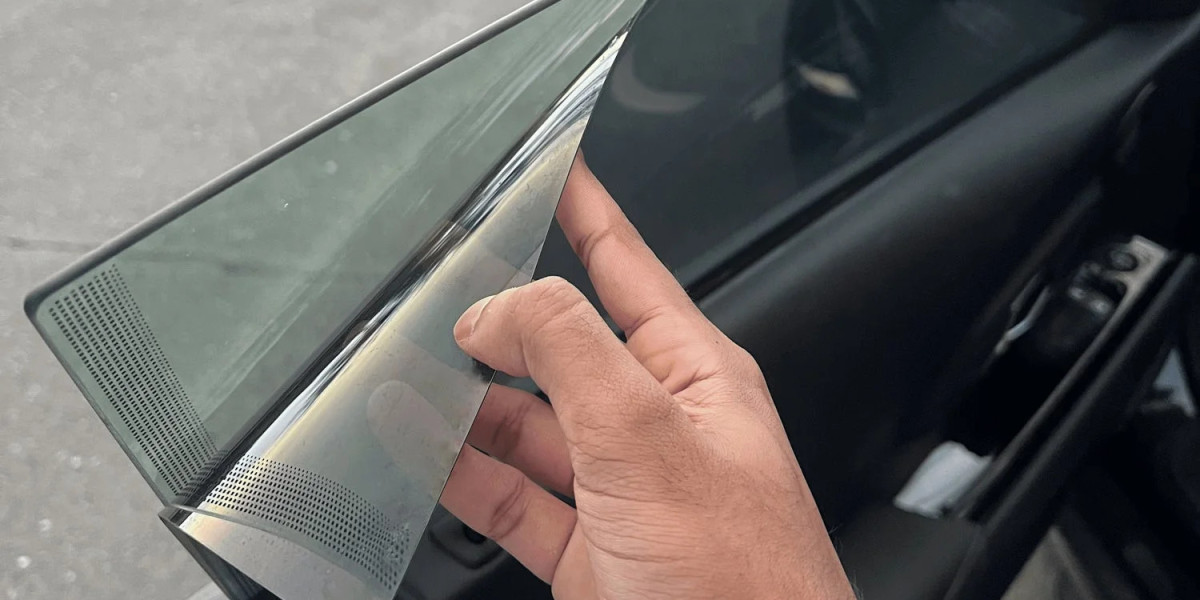

Nano-ceramic window tint is one of the most advanced types of window film available for vehicles, homes, and commercial buildings. It is designed to provide excellent heat rejection, UV protection, glare reduction, and privacy without compromising visibility. Unlike traditional dyed or metallic window films, nano-ceramic tint uses extremely small ceramic particles to create a high-performance film that can offer long-lasting benefits.
One of the main reasons people choose nano-ceramic window tint is its ability to reduce heat. Sunlight entering through untreated glass can significantly increase the temperature inside a vehicle or building. This can make interiors uncomfortable and increase the need for air conditioning. Nano-ceramic film helps block a substantial amount of infrared energy from the sun, allowing the interior to remain cooler and more comfortable. For vehicles, this can make a noticeable difference during hot weather. For homes and offices, it can help create a more pleasant indoor environment.
Another important advantage of nano-ceramic window tint is ultraviolet protection. Direct exposure to ultraviolet rays can be harmful to skin and can also contribute to fading and deterioration of interior materials. High-quality ceramic window films are designed to block a large percentage of harmful UV radiation. This additional layer of protection can help preserve vehicle seats, dashboards, carpets, furniture, flooring, and other interior surfaces.
Glare reduction is another benefit that makes nano-ceramic tint popular. Bright sunlight can create distracting reflections on windshields, side windows, computer screens, televisions, and other surfaces. This can be particularly uncomfortable while driving because excessive glare can make it harder to see the road clearly. Ceramic window tint reduces the intensity of incoming sunlight while maintaining good visibility, helping create a more comfortable viewing experience.
One feature that separates nano-ceramic tint from metallic films is its ability to provide performance without interfering with electronic signals. Some older metallic window films can potentially interfere with radio, GPS, mobile phone, or other wireless signals. Nano-ceramic films are generally designed without metal, making them a suitable choice for modern vehicles and buildings that rely on electronic communication systems.
Nano-ceramic window tint can also improve privacy. The level of privacy depends on the shade and type of film selected. Darker films can make it more difficult for people outside to see into a vehicle or room, while lighter films can provide heat and UV protection without significantly changing the appearance of the glass. Choosing the right shade is important because the goal should be to balance privacy, appearance, visibility, and local regulations.
Durability is another major advantage. Quality ceramic films are engineered to resist fading, discoloration, bubbling, and peeling when properly installed and maintained. Traditional dyed films may lose their appearance over time due to prolonged exposure to sunlight. Nano-ceramic films are generally more resistant to these issues, making them a long-term option for people who want consistent performance.
The appearance of nano-ceramic tint is also an important consideration. A professionally installed film can provide windows with a clean, uniform appearance. It can enhance the overall look of a vehicle while giving residential or commercial windows a more polished finish. Because ceramic film is available in different shades, customers can select an appearance that suits their preferences while considering visibility and applicable window-tint regulations.
Professional installation plays a significant role in achieving the best results. Window tint requires careful preparation of the glass, precise cutting, controlled application, and proper curing. Dust, moisture, improper positioning, or poor installation techniques can result in bubbles, wrinkles, uneven edges, or reduced appearance. Working with an experienced installer can help ensure that the film is applied correctly and performs as intended.
Maintenance is relatively simple after installation. Most ceramic window films can be cleaned using a soft microfiber cloth and a mild, tint-safe cleaning solution. Abrasive materials and harsh chemicals should be avoided because they may damage the film surface. Newly installed tint may also require a curing period during which small amounts of moisture or a slightly hazy appearance can gradually disappear.
For vehicle owners, nano-ceramic window tint can offer a combination of comfort, protection, appearance, and privacy. It can help reduce interior heat, protect upholstery from UV exposure, reduce glare, and create a more comfortable driving environment. For homeowners and businesses, the same technology can improve indoor comfort while helping protect furnishings and reducing the impact of direct sunlight.
When choosing nano-ceramic window tint, it is important to consider more than just the darkness of the film. Heat rejection, infrared rejection, UV protection, visible light transmission, optical clarity, durability, and installation quality all contribute to overall performance. A darker film is not necessarily a better film. In many cases, a high-quality lighter ceramic film can provide excellent heat and UV protection while maintaining better visibility.
In conclusion, nano-ceramic window tint is a modern window-film solution designed to provide multiple benefits in a single application. Its ability to reduce heat and glare, block UV radiation, maintain electronic signal compatibility, improve privacy, and preserve interior materials makes it an attractive option for many applications. With proper film selection, professional installation, and regular maintenance, nano-ceramic tint can provide lasting comfort, protection, and visual appeal.