
Mention the word best burrito recipe to ten different people and you'll probably get ten different pictures in their head. For some, it's a massive, foil-wrapped roll stuffed with rice, beans, and grilled meat. For others, it's a smaller, simpler wrap with just a few ingredients, meant to be eaten in a couple of bites. Neither version is wrong — they're just shaped by very different regional traditions within Mexican Food itself.
Understanding where these differences come from actually makes eating (and ordering) burritos a lot more interesting. It also explains why the Tex Mex-style burrito most people outside Mexico grew up eating looks so different from the ones served in Northern Mexico, where the whole concept originally comes from.
Where the Burrito Actually Comes From
The burrito has its roots in Northern Mexico, particularly the state of Chihuahua and the broader border region, where flour tortillas — rather than corn — have always been the local staple. Wheat grows well in that part of the country, so flour tortillas became the everyday bread, and wrapping simple fillings inside them for portability became a practical, everyday habit long before it became a global food trend.
This is an important starting point, because it explains why burritos, unlike a lot of other Mexican dishes, lean on flour tortillas rather than corn. It's not a stylistic choice — it's a direct result of what grows, and what's traditionally eaten, in that particular region.
.jpg)
Northern Mexico: Simple, Small, and Straightforward
In its home region, a traditional burrito is a fairly modest thing. Think a small flour tortilla, folded around a single filling — shredded beef, machaca, beans, or a bit of melted cheese. No rice, no elaborate layering of toppings, no giant portions. It's closer to a quick, practical snack or lunch than the meal-sized burritos most people are used to today.
This style reflects the broader character of Northern Mexican cooking in general — grilled meats, simple seasoning, and a focus on quality ingredients over complexity. It's food built for ranch life and long workdays, not for elaborate presentation.
Southern California and the Rise of the "Mission Burrito"
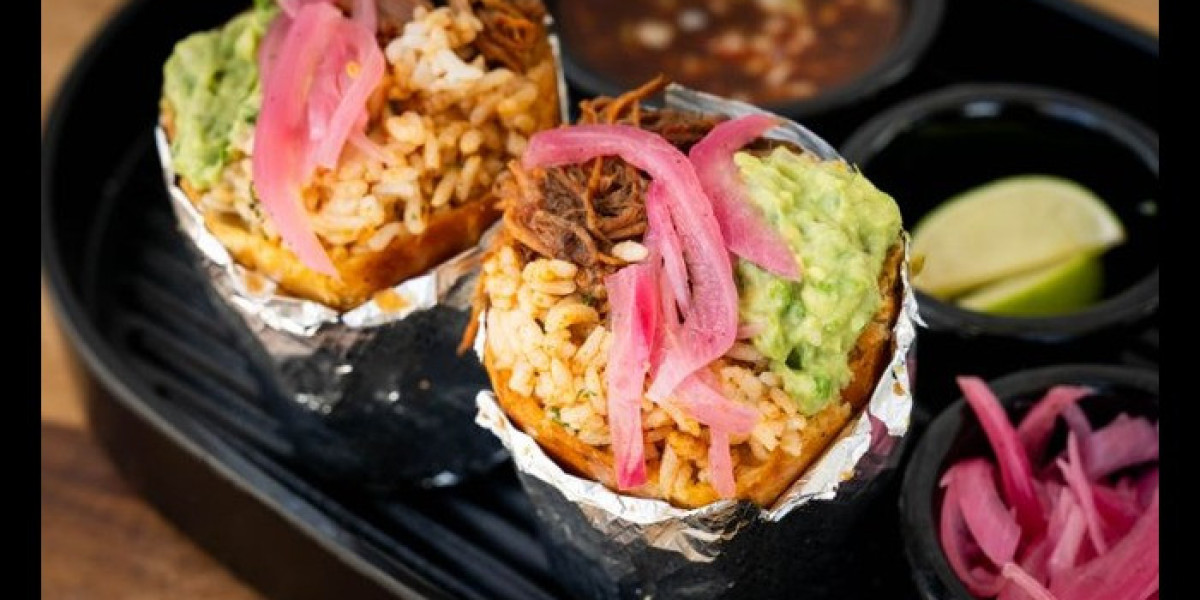
The burrito most people recognize today — large, rice-and-bean-packed, wrapped tightly in foil — actually comes from a very different place: the Mission District of San Francisco. In the mid-20th century, Mexican immigrant communities there began expanding the traditional burrito, adding rice, beans, sour cream, and multiple salsas into a single, much bigger tortilla.
This "Mission-style" burrito is really where a lot of modern Tex Mex burrito culture traces back to. It turned the burrito from a simple snack into a full, satisfying meal — and it's this version that eventually spread across the U.S. and, from there, influenced how burritos are made and enjoyed around the world today, including in fast-casual Mexican Food restaurants everywhere.
Tex Mex: Where American and Mexican Cooking Overlap
Tex Mex cuisine developed along the Texas-Mexico border, blending Mexican cooking techniques and ingredients with American tastes and available produce. Cheese-heavy fillings, larger portions, combinations like beef and beans together, and the addition of ingredients like sour cream and shredded cheddar are all hallmarks of Tex Mex rather than traditional Mexican cooking.
A lot of the burritos found in casual restaurants today — loaded with layers of protein, rice, beans, cheese, guacamole, and salsa — actually sit firmly in this Tex Mex tradition rather than the more minimalist Northern Mexican original. Neither is more "authentic" than the other; they're simply different culinary lineages that evolved for different audiences and different available ingredients.
Why This History Actually Matters When You're Eating One
Knowing this background changes how you look at a burrito menu. A restaurant leaning into big, loaded, customizable burritos with multiple protein and topping options is drawing from the Mission-style and Tex Mex traditions — built for flavor variety and a filling, satisfying meal. A restaurant offering smaller, simpler burritos with fewer ingredients is closer to the original Northern Mexican style, focused on letting a few quality ingredients speak for themselves.
This is exactly the kind of thinking that goes into how a solid burro restaurant builds its menu. Burro Blanco (burroblanco.ae), with locations across Dubai and Abu Dhabi, leans into the bigger, loaded style that most people associate with a proper burrito experience — think the El Jefe, packed with cilantro lime rice, pinto beans, grilled adobo chicken, guacamole, and aged white cheddar. It's a menu clearly shaped by that Mission-style and Tex Mex lineage: hearty, customizable, and built to be a full meal rather than a quick snack, while still keeping the core Mexican Food techniques — proper adobo marinades, fresh salsas, real guacamole — at the center of it.

Final Thoughts
The Burrito isn't a single, fixed dish — it's the product of decades of regional evolution, from its practical, no-frills roots in Northern Mexico to the bigger, bolder versions shaped by Mission-style cooking and Tex Mex influence. Both traditions are valid, and both tell a story about how food adapts to the people and places that embrace it. Next time you're deciding what to order, it's worth thinking about which style you're actually in the mood for — a simple, traditional wrap, or a fully loaded, Tex Mex-inspired meal like the ones you'll find at a place like Burro Blanco (burroblanco.ae).
For more information,
Contacts – +97144576051
Instagram: burroblancouae
Location: View All Burro Blanco Locations