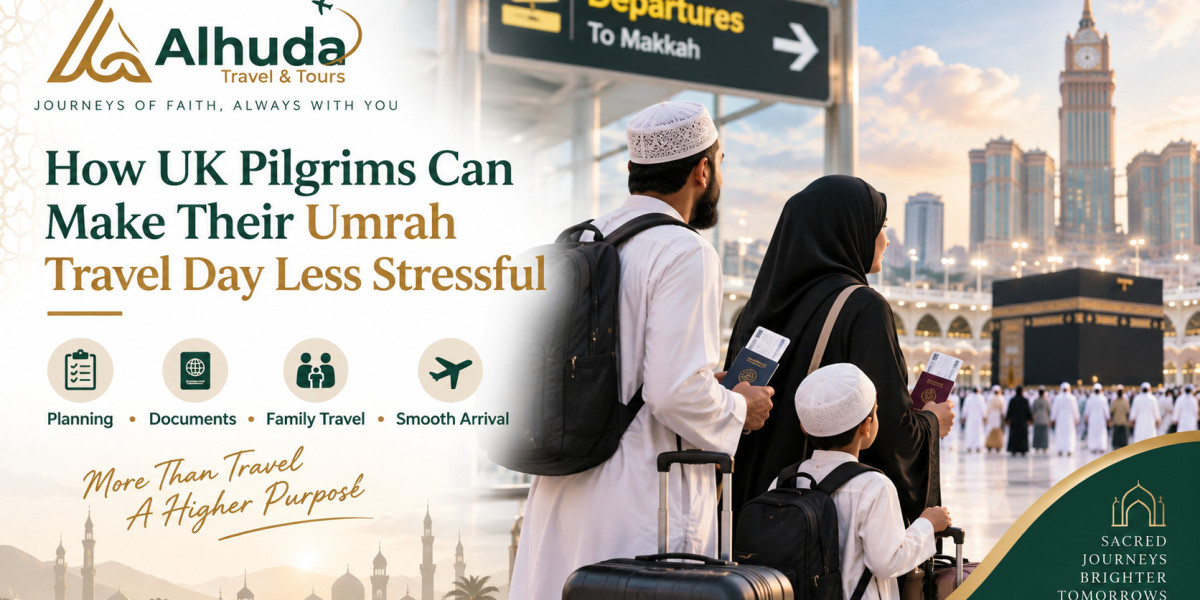

The spiritual preparation for Umrah often receives the most attention, but the journey begins long before a pilgrim reaches Makkah.
For UK travellers, departure day can involve getting to the airport, checking in, managing luggage, passing through security, boarding a long flight and arranging transport after arrival in Saudi Arabia.
Families, first-time pilgrims and older travellers can find this part of the journey tiring if everything is left until the last minute. A simple travel-day plan can reduce unnecessary stress and help pilgrims arrive feeling more organised and prepared.
Confirm Your Travel Details the Day Before
Do not wait until you are on the way to the airport to check your flight information.
The day before departure, confirm:
departure airport and terminal;
airline and flight number;
check-in time;
baggage allowance;
flight schedule;
hotel information;
airport transfer arrangements.
Keep these details somewhere that can be accessed quickly. Pilgrims travelling with an organised provider should also understand which parts of the journey are already arranged. UK travellers comparing Umrah Packages from UK should review the complete itinerary before departure so they know what to expect after landing.
Knowing the plan reduces uncertainty.
Arrive at the Airport With Enough Time
An international pilgrimage journey is not the right time to arrive at the airport at the last possible moment. Traffic, queues and baggage problems can all create delays. Give yourself enough time to check in calmly, pass through security and reach the departure gate without rushing.
Families may need additional time because they have more luggage and more people to coordinate. Older pilgrims may also prefer moving through the airport at a slower pace. Starting the journey calmly can make a noticeable difference to the rest of the day.
Keep Important Documents Accessible
Your most important travel documents should remain with you rather than inside checked luggage. Keep passports, boarding information, hotel details and any required travel documentation together in a secure place.
One responsible adult can manage the main family documents, but other adults should still know where they are kept. Digital copies can provide useful backup where appropriate.
Avoid repeatedly taking documents out unless they are needed. Good organisation reduces the risk of leaving something behind at a counter or seating area.
Know Your Baggage Allowance
Baggage problems are an unnecessary source of airport stress. Check the airline's allowance before leaving home.
Pay attention to both:
Checked baggage — the suitcase placed in the aircraft hold.
Cabin baggage — the smaller bag you carry onto the aircraft.
Different tickets and airlines may have different limits, so avoid relying on what was allowed on a previous trip. Weighing luggage at home can help prevent last-minute repacking at the airport.
Keep Your Cabin Bag Practical
Your cabin bag should contain the items you may genuinely need during the journey.
These may include:
travel documents;
medication;
phone and charging cable;
suitable personal essentials;
a light change of clothing where appropriate;
items needed for children.
Avoid filling the bag with unnecessary belongings. Heavy cabin luggage becomes tiring when walking through large airports or waiting during connections. The aim is accessibility, not carrying everything you own.
Prepare for Connecting Flights
Not every UK pilgrim travels on a direct flight. If your itinerary includes a connection, check the transfer time carefully. Short connections can create pressure, while very long connections may be tiring.
Before travelling, understand whether you need to change terminals and whether checked baggage will travel automatically to the final destination.
Families should also agree on what to do if they become separated while moving between gates. When travelling as a group, stay together rather than allowing everyone to walk at different speeds.
Dress for a Long Journey
Airport and aircraft comfort matters. Wear clothing that is practical for several hours of sitting, walking and waiting while also considering the religious requirements relevant to your journey.
Pilgrims should learn Ihram requirements from reliable religious sources before travelling rather than trying to understand them for the first time at the airport. Comfortable travel clothing can make a long journey considerably easier.
Manage Food and Hydration Sensibly
Busy travel days can disrupt normal eating and drinking routines. Avoid reaching the airport already dehydrated or exhausted. During the journey, eat according to your individual needs and keep hydration in mind.
Families should also think about children and older relatives, who may need meals or breaks at different times. Anyone with specific dietary or medical requirements should prepare appropriately before leaving home.
December Travellers Should Expect Busy Airports
December is a popular international travel period from the UK. Families may be travelling for holidays at the same time as pilgrims are beginning their Umrah journey.
Those considering December Umrah Packages should therefore build extra time into their departure-day plans.
Roads, airport parking, check-in areas and security queues may all feel busier during peak travel periods. Do not allow a school holiday schedule to create an unnecessarily rushed departure. Finishing packing and document checks a few days earlier can make travel day much easier.
Make Family Roles Clear
When several people are travelling together, give different adults clear responsibilities.
For example:
Person one: passports and documents
Person two: luggage count
Person three: children and personal items
Person four: hotel and transfer information
This reduces the chance that everyone assumes someone else is handling an important task. Before leaving each location, perform a quick check:
People, passports, phones and bags.
A simple routine can prevent many avoidable problems.
Help Children Understand the Journey
Long flights and airport waits can feel much longer to children. Explain the travel plan before departure. Tell them that there may be queues, security checks, waiting periods and several stages before reaching the hotel.
Depending on age, children can carry a small backpack with a few personal items. However, parents should keep important documents and valuable belongings under adult control.
Children who know what to expect are often easier to manage than children who think every delay means something has gone wrong.
Consider Older Pilgrims at Every Stage
Older relatives may need more time to walk through airports, board aircraft and manage transfers. Do not build the entire journey around the pace of the youngest or strongest person.
If mobility assistance is required, investigate the appropriate arrangements before travel rather than waiting until arrival at the airport.
Medication and other important health items should remain easily accessible. A slower, organised journey is usually better than repeatedly rushing someone who needs additional time.
Plan Your Arrival Before You Take Off
Pilgrims often focus heavily on leaving the UK but give less attention to what happens after landing.
Before departure, know:
who is collecting you;
where you need to meet;
your hotel name and address;
which city you are travelling to first;
approximately what the next stage of the journey involves.
International flights can leave travellers tired, making simple decisions feel more difficult after arrival. Having the plan available in advance reduces confusion.
Easter Travel Also Needs Careful Timing
UK school and university holidays can make spring travel attractive. Pilgrims considering Easter Umrah Packages should check whether their chosen flights leave enough time around work, school and university commitments.
Do not schedule a stressful final working day followed immediately by an overnight departure if it can reasonably be avoided. A little space before travelling can give families time to check luggage, documents and home responsibilities calmly.
Avoid Filling the First Day With Too Much
After arriving in Saudi Arabia, the instinct may be to begin a busy itinerary immediately. Remember that you may already have spent many hours travelling.
Allow for:
immigration and airport procedures;
baggage collection;
ground transport;
hotel check-in;
meals;
rest.
Travellers using Al Huda Travel or another pilgrimage provider should understand the arrival schedule before departure so expectations are realistic. A demanding first day after a long flight can quickly lead to exhaustion.
Keep Phones Charged
Phones are often important during modern travel. They may contain boarding information, hotel details, contacts, maps and other useful information.
Charge devices before leaving home and consider carrying an appropriate power bank within airline rules. At the same time, do not rely exclusively on one phone for every important detail. Keeping selected information available separately can be helpful if a battery fails or a device becomes unavailable.
Stay Calm When Travel Plans Change
Even careful planning cannot control everything. Flights can be delayed. Gates can change. Baggage may take longer than expected, and road journeys can be affected by traffic.
When something changes, identify the next practical step instead of immediately assuming the journey has gone wrong. Check official airline information, speak with the appropriate staff and keep family members informed. Patience is particularly useful when travelling as a group because one person's panic can quickly affect everyone else.
Final Thoughts
A smoother Umrah journey begins before pilgrims reach Makkah. UK travellers can reduce travel-day pressure by confirming flight details early, organising documents, understanding baggage rules and allowing enough airport time.
Families should divide responsibilities, prepare children and plan around the needs of older relatives. It is equally important to understand what happens after landing rather than treating the flight as the end of the travel plan.
You cannot prevent every delay or unexpected change, but good preparation can prevent many avoidable problems.