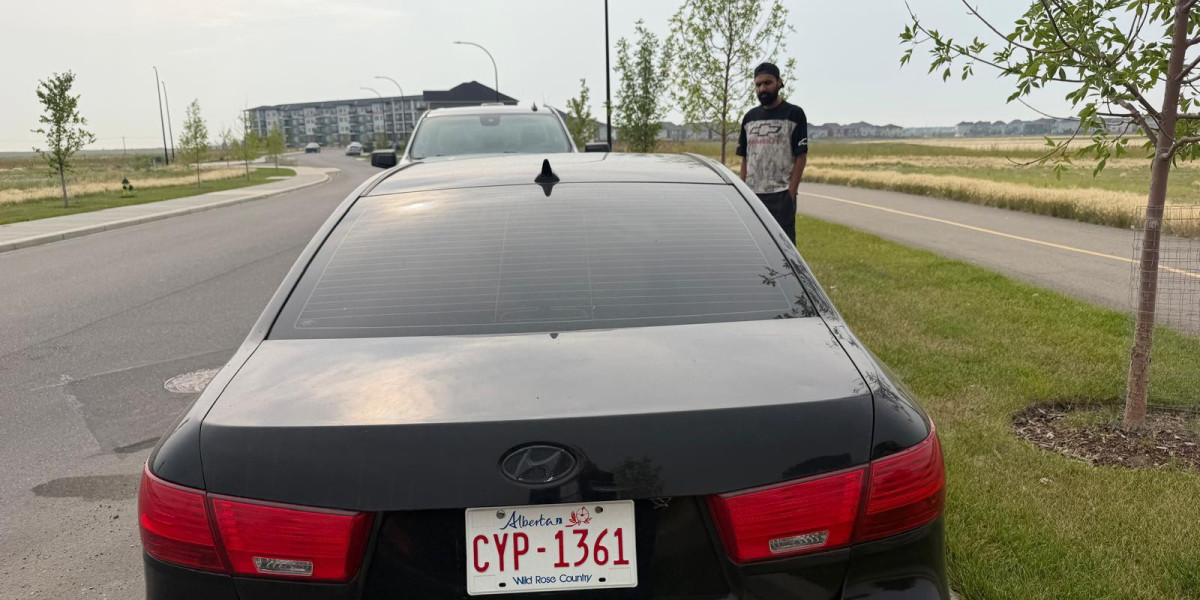

A junk car can look almost worthless when its body is badly damaged. Crushed panels, rust, dents, broken lights, or accident damage may make the vehicle seem like nothing more than scrap metal. However, a damaged exterior does not necessarily mean every part of the vehicle has lost its value.
In many cases, a junk car can still contain valuable components, even when the body is in poor condition. The engine, transmission, catalytic converter, wheels, electronics, interior components, and other usable parts may still have demand. This creates an important question for owners: Should the car be sold as a complete vehicle, parted out, or sent for junk car removal?
Understanding how buyers evaluate these vehicles can help you avoid accepting an unnecessarily low offer and choose the most practical way to sell.
Can a Damaged Car Still Have Valuable Parts?
Yes. A vehicle's value is not determined entirely by its exterior condition.
A car involved in an accident may have severe body damage while its engine and transmission remain functional. Similarly, an older vehicle with extensive rust may still contain working electronic modules, wheels, suspension components, or interior parts that another vehicle owner needs.
This is why junk car buyers often look beyond the appearance of the vehicle.
They may consider:
· Engine condition
· Transmission condition
· Catalytic converter
· Wheels and tires
· Alternator and starter
· Batteries and electrical components
· Seats and interior parts
· Doors and mirrors
· Headlights and tail lights
· Infotainment components
· Air-conditioning components
· Usable suspension parts
The more desirable components remain intact, the more potential value the vehicle may have.
Why Does Body Damage Affect the Price?
Even when valuable parts are present, significant body damage can reduce the vehicle's overall value.
A severely damaged body can make transportation more difficult and increase the cost of handling the vehicle. If the car cannot move under its own power, the buyer may also need specialized equipment for pickup.
Body damage can also affect whether individual components are easy to remove and resell.
For example, a vehicle with a damaged front end may have a perfectly usable transmission, but removing and transporting it requires labor. A buyer has to account for those costs when determining the offer.
Therefore, a buyer is not simply adding up the retail price of every usable part. They are estimating what those components are realistically worth after removal, testing, storage, transportation, and resale.
If you're unsure how much your damaged vehicle could still be worth, a Cash for Cars Calgary offer can help you compare its as-is value before deciding what to do with the car.
Which Parts Usually Attract the Most Attention?
Not every component carries the same value.
The engine and transmission can be particularly important if they are in good working condition and compatible with other vehicles. Mileage, maintenance history, and demand for that specific engine or transmission can influence their value.
The catalytic converter may also affect a junk vehicle's value because certain converters contain recyclable precious metals. However, their value varies considerably depending on the vehicle and current market conditions.
Wheels and tires can also contribute to an offer if they are in usable condition. Modern vehicles may contain expensive electronic modules, sensors, screens, cameras, and other components that remain functional even after body damage.
This is why it is worth providing accurate information about the vehicle rather than assuming that severe exterior damage automatically makes it worthless.
Does a Running Engine Make a Junk Car Worth More?
Potentially, yes.
A running engine can make a damaged vehicle more attractive because it may have greater reuse potential. However, simply saying that the engine “runs” does not automatically guarantee a large increase in value.
Buyers may consider:
· Engine mileage
· Maintenance history
· Oil or coolant leaks
· Warning lights
· Unusual noises
· Vehicle make and model
· Availability of replacement engines
· Current demand for that engine
The same principle applies to the transmission.
If you know that the engine and transmission were functioning properly before the accident, provide that information to the buyer. It gives them more useful information when assessing the vehicle.
Should You Remove Valuable Parts Yourself?
This is where many owners make a mistake.
It can be tempting to remove the engine, wheels, catalytic converter, electronics, or other components separately because individual parts may appear more valuable than the complete vehicle.
But parting out a car is not automatically more profitable.
Removing components requires time, tools, mechanical knowledge, storage space, and a way to sell each item. Some parts may take weeks or months to find buyers. Others may have little demand despite appearing valuable.
There is also the problem of what happens to the remaining shell.
After removing the most desirable components, you may still have to arrange disposal or scrap removal for the vehicle body.
For many owners, selling the complete vehicle to a buyer who handles the dismantling is simpler.
When Is Parting Out Worth Considering?
Parting out may make sense when the vehicle contains several high-demand components and you have the resources to handle the process.
It can be more attractive when:
· The engine is highly desirable
· The transmission is in excellent condition
· Rare parts are difficult to find
· Interior components are in good shape
· Wheels are valuable
· You already have buyers for specific parts
· You have suitable storage space
However, calculate the total return, not just the theoretical value of the parts.
If you expect to receive $3,000 from individual components but spend hundreds on removal, transportation, storage, advertising, and disposal, the actual profit could be much lower.
What If the Body Is Damaged but the Interior Is Excellent?
This situation can create another opportunity.
An accident can damage the exterior while leaving the cabin relatively untouched. Seats, dashboard components, door panels, entertainment systems, steering components, and other interior pieces may still be usable.
For certain older or discontinued vehicles, replacement interior parts can be surprisingly difficult to find.
A buyer who specializes in used auto parts may therefore see more value in the vehicle than someone focused only on scrap metal.
When requesting an offer, mention the condition of the interior instead of describing the vehicle only as “damaged.”
How Do Buyers Decide What the Whole Car Is Worth?
A junk car buyer generally has to consider several layers of value.
First comes the potential value of reusable components. Then there is the value of recyclable materials such as steel and other metals.
After that, the buyer must account for expenses.
These may include:
Vehicle value → parts + recyclable materials − transportation − labor − processing costs
This explains why the amount a buyer offers will not equal the combined retail prices of all the parts.
The buyer needs enough margin to make the transaction financially practical.
Should You Get More Than One Offer?
Definitely consider comparing multiple offers.
Different buyers may specialize in different types of vehicles. One may focus heavily on parts, while another may place greater emphasis on scrap metal or complete vehicle recycling.
As a result, two buyers can evaluate the same damaged car differently.
When comparing offers, ask:
· Is the quote based on the complete vehicle?
· Does the buyer include towing?
· Can the price change after inspection?
· Are there additional fees?
· Does the buyer handle the paperwork?
· Does the buyer want the vehicle complete?
· How quickly can the vehicle be collected?
A slightly lower offer with free pickup and straightforward terms may sometimes be more convenient than a higher quote with additional costs.
What Information Should You Give the Buyer?
Accurate information can make the valuation process easier.
Have the following details available:
· Make and model
· Model year
· Mileage
· Overall body condition
· Engine condition
· Transmission condition
· Whether the vehicle starts
· Accident history
· Missing parts
· Tire and wheel condition
· Interior condition
· Location of the vehicle
· Ownership and paperwork information
Photos can also help a buyer understand the vehicle's condition before arranging an inspection or pickup.
Most importantly, don't hide major damage. A quote based on incomplete information may change when the buyer sees the vehicle.
What Happens After You Accept an Offer?
Once you accept an offer, the buyer may arrange an inspection and pickup depending on the selling process.
For vehicles with severe body damage and multiple unusable components, Scrap Car Removal Calgary can provide a practical way to sell the car without taking on the work of dismantling it yourself.
If the vehicle is not running, towing equipment may be required. The buyer may then transport the car for dismantling, parts recovery, recycling, or scrap processing.
Usable components can potentially be removed and inspected. Materials that cannot be reused may enter the recycling process.
In other words, a junk car with a damaged body does not necessarily have only one destination. Different parts can have different uses after the vehicle leaves your possession.
Final Thoughts
A damaged body does not automatically turn a vehicle into worthless scrap. A junk car can still contain valuable mechanical, electrical, interior, and recyclable components.
The smartest approach is to evaluate the whole vehicle rather than focusing on its appearance. Determine which parts remain usable, compare the costs of removing them yourself, and request offers from buyers who understand damaged and end-of-life vehicles.
If parting out sounds complicated, selling the complete car may provide a simpler solution. The best choice depends on the vehicle's condition, local demand, your available time, and the actual net amount you can receive.
Before accepting the first offer, compare the complete deal—including towing, fees, paperwork, inspection terms, and final payment. That small amount of research can help you get fair value from a vehicle that may still be worth far more than its damaged exterior suggests.